What Do Sea Lions Eat? Fascinating Facts About These Marine Mammals

Sea lions are intelligent and playful marine mammals that live along coastlines and islands in many parts of the world. Known for their loud barking sounds, strong swimming abilities, and social behavior, sea lions are among the most recognizable animals in the ocean. Many people enjoy watching them perform impressive movements both in the wild and in aquariums. One common question people often ask is: what do sea lions eat?
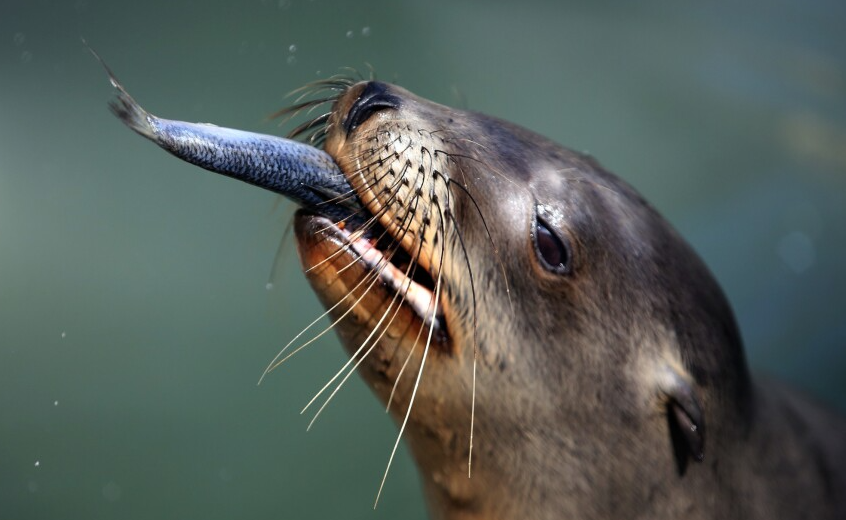
Sea lions are carnivorous animals that mainly feed on fish, squid, and other marine creatures. Their diets vary depending on the species, habitat, season, and food availability. Some sea lions hunt near the ocean surface, while others dive deep underwater in search of prey. As skilled predators, sea lions have developed powerful hunting techniques that allow them to survive in different marine environments.
In this complete guide, we will explore fascinating facts about sea lion diets and feeding habits. You will learn what sea lions eat in the wild, how they hunt for food, how much they eat each day, and how their diets differ in captivity. We will also discuss baby sea lion nutrition, environmental threats to their food sources, and the important role sea lions play in marine ecosystems.
What Is the Main Diet of Sea Lions?
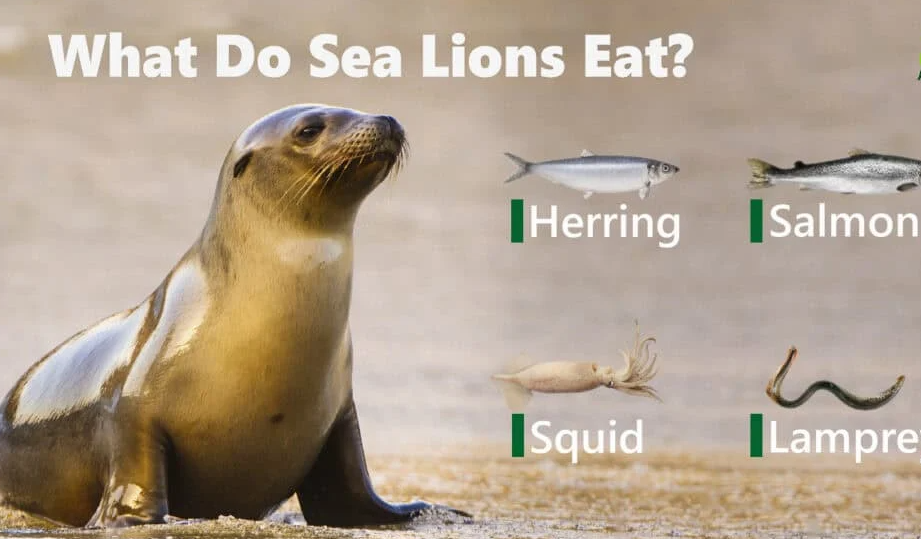
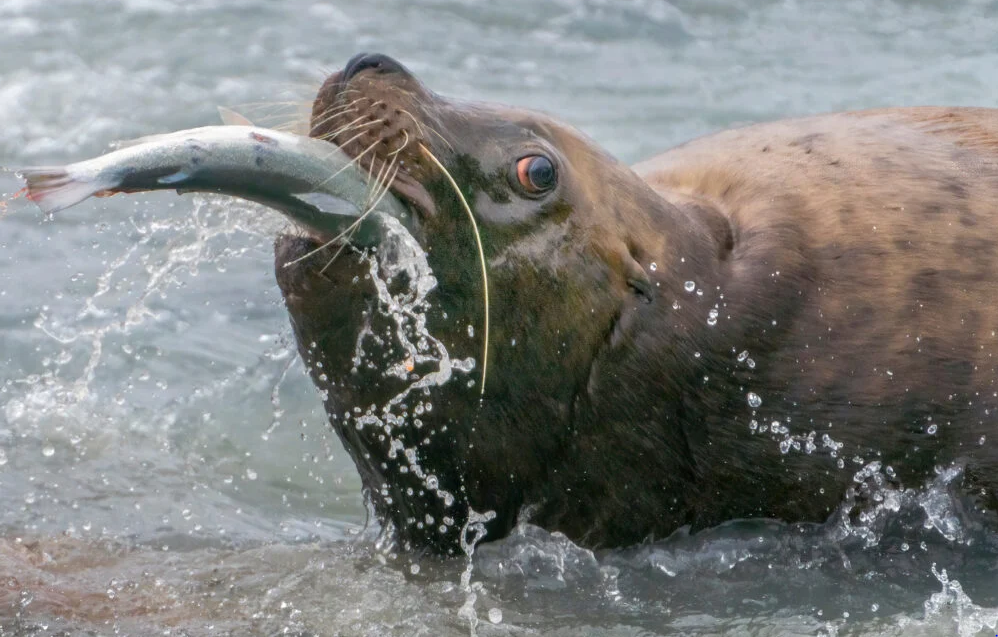
The primary diet of sea lions consists of fish and squid. Common fish species eaten by sea lions include sardines, anchovies, herring, salmon, mackerel, and rockfish. These fish provide the protein and healthy fats sea lions need to maintain energy, body temperature, and muscle strength in cold ocean waters.
Squid are another important food source for many sea lion species. Squid are rich in nutrients and often live in the same ocean regions as sea lions. Some sea lions hunt squid during nighttime hours when squid rise closer to the surface. Their ability to adapt to different prey types helps sea lions survive in changing marine conditions.
Sea lions are opportunistic feeders, meaning they eat whatever prey is available in their environment. In addition to fish and squid, they may occasionally eat octopus, shellfish, or small crustaceans. Their flexible diet allows them to thrive in coastal waters, islands, and open ocean habitats around the world.
How Sea Lions Hunt for Food
Sea lions are excellent swimmers and highly skilled hunters. They use their speed, agility, and sharp eyesight to chase prey underwater. Their streamlined bodies help them move quickly through the ocean while searching for fish and squid.
Unlike some marine mammals that rely heavily on echolocation, sea lions mainly depend on vision and sensitive whiskers to detect prey. Their whiskers can sense vibrations in the water caused by moving fish. This adaptation helps sea lions locate prey even in dark or murky underwater environments.
Sea lions usually hunt alone, but they may sometimes feed in groups when prey is abundant. They are capable of diving hundreds of feet below the surface and holding their breath for several minutes while searching for food. Their powerful hunting abilities make them effective predators in marine ecosystems.
What Fish Do Sea Lions Eat?
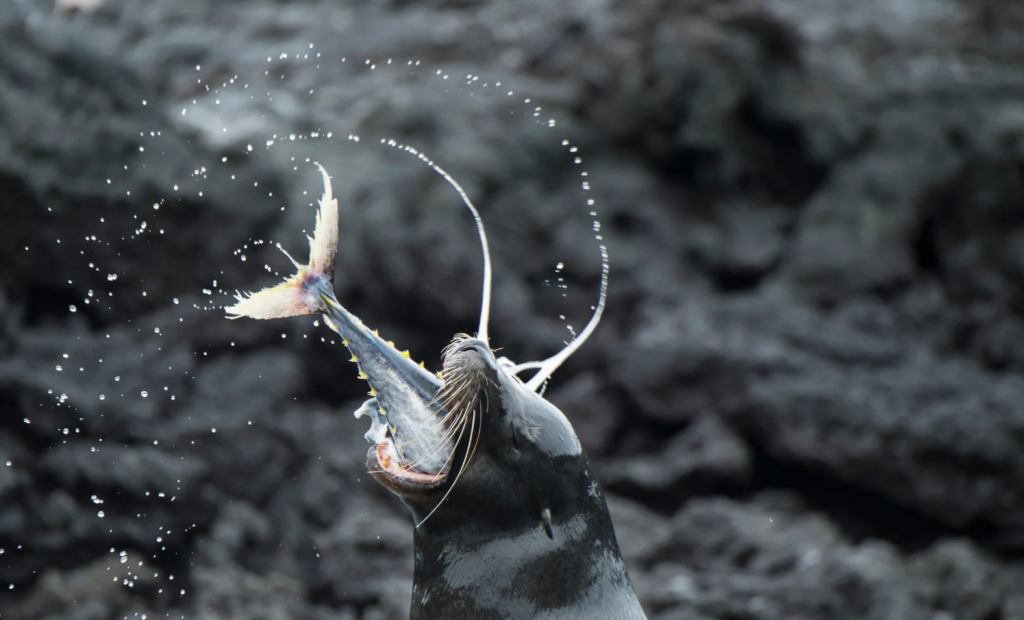
Fish make up the majority of the sea lion diet. Sea lions often target schooling fish because large groups are easier to hunt. Sardines, anchovies, and herring are especially common prey because they are abundant in many coastal waters and contain high levels of nutrients.
Some sea lion species also consume larger fish such as salmon and cod. In colder regions, sea lions may hunt species adapted to deep or icy waters. Their diets vary depending on local fish populations and seasonal migration patterns.
Sea lions swallow fish whole instead of chewing them. Their sharp teeth are designed to grip slippery prey rather than tear meat apart. Once captured, fish are quickly swallowed headfirst to reduce resistance and avoid injury from fins or scales.
Do Sea Lions Eat Squid and Octopus?
Squid are a major part of the diet for many sea lions, especially those living in deeper ocean environments. Squid are soft-bodied and easy to digest, making them an excellent source of nutrition. Sea lions often hunt squid during nighttime feeding trips when squid move closer to the surface.
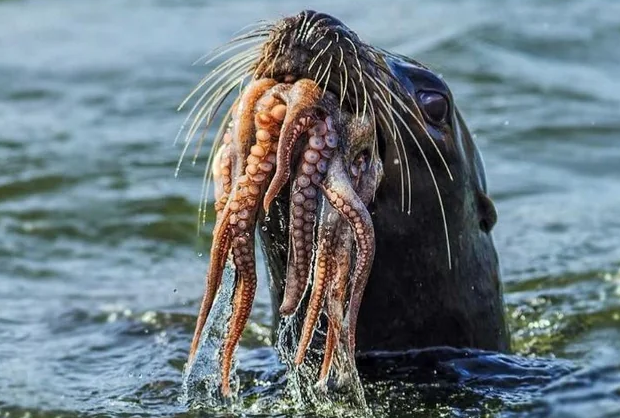
Some sea lions also eat octopus, although octopus can be more difficult to catch because they are intelligent and capable of hiding in rocky underwater habitats. Sea lions use their agility and strong jaws to overpower these challenging prey animals.
Eating squid and octopus provides important nutrients that support the health and energy needs of sea lions. These prey animals contain protein, fats, and minerals essential for maintaining strong muscles and healthy body functions.
How Much Food Do Sea Lions Eat Each Day?
Sea lions require large amounts of food to support their active lifestyles and maintain body heat in cold ocean waters. Adult sea lions may consume between 5% and 8% of their body weight in food every day. Depending on size and species, this can equal 15 to 40 pounds of food daily.
Male sea lions are generally larger than females and usually eat more food. During breeding seasons, some males may eat less because they spend more time defending territory and competing for mates. Feeding habits can change based on activity levels and environmental conditions.
Young sea lions and nursing mothers often need additional nutrition. Producing milk requires significant energy, so female sea lions may increase food intake while raising pups. Access to abundant prey is extremely important for healthy reproduction and survival.
What Do Baby Sea Lions Eat?
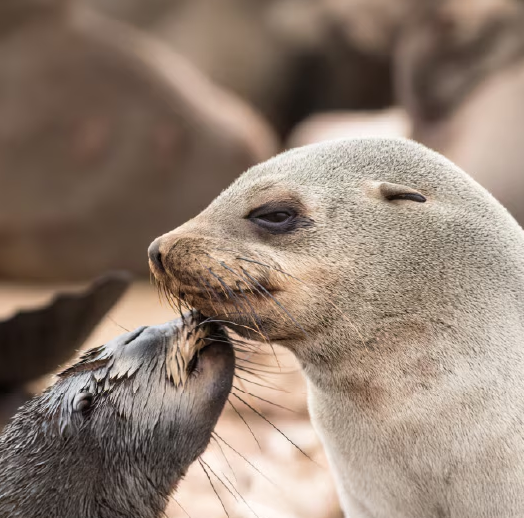
Baby sea lions, known as pups, depend entirely on their mother’s milk during the first months of life. Sea lion milk contains high levels of fat and nutrients that help pups grow quickly and build thick layers of blubber for warmth and energy storage.
As pups become older, they gradually begin learning how to hunt and eat solid food. Young sea lions observe adult hunting behavior and practice catching small fish in shallow waters. This learning process is essential for survival in the wild.
Even after starting to eat fish, pups may continue nursing for several months. The strong bond between mother and pup helps ensure protection and proper nutrition during the early stages of development. Eventually, young sea lions become independent hunters capable of finding food on their own.
What Do Sea Lions Eat in Captivity?
Sea lions living in aquariums and marine parks are usually fed carefully controlled diets of fish and squid. Common foods include herring, capelin, mackerel, and smelt. Trainers provide meals that meet the nutritional needs of each individual animal.
Captive sea lions are fed multiple times throughout the day during training and enrichment sessions. These feeding activities help keep the animals mentally stimulated and physically active. Vitamins and supplements may also be added to ensure balanced nutrition.
Unlike wild sea lions, captive animals do not need to hunt for prey. However, caretakers often create activities that encourage natural feeding behaviors. Maintaining proper nutrition is essential for the health and well-being of sea lions in managed environments.
Seasonal Changes in Sea Lion Diets
Sea lion diets often change throughout the year due to seasonal shifts in prey availability. Fish migration patterns, ocean temperatures, and weather conditions all affect where sea lions hunt and what they eat.
During certain seasons, fish populations may become more abundant near coastlines, making feeding easier for sea lions. At other times, sea lions may need to travel farther offshore or dive deeper underwater to locate prey.
Climate changes and ocean conditions can significantly influence food availability. Sea lions are adaptable animals, but major environmental disruptions may force them to change hunting habits or compete more intensely for limited resources.
Do Sea Lions Compete With Humans for Food?
In some regions, sea lions compete directly with commercial fishing industries for the same fish species. Overfishing can reduce prey populations and make it harder for sea lions to find enough food. This competition sometimes creates conflicts between humans and marine wildlife.
Sea lions are occasionally blamed for damaging fishing equipment or stealing fish from nets. However, these behaviors are often linked to declining natural food sources. Protecting sustainable fish populations benefits both sea lions and fishing communities.
Conservation efforts focused on responsible fishing practices help maintain healthy marine ecosystems. Reducing overfishing can improve food availability for sea lions and support long-term ocean biodiversity.
Threats to Sea Lion Food Sources
One major threat to sea lion food supplies is pollution. Plastic waste, chemical runoff, and oil spills can damage marine habitats and reduce fish populations. Polluted prey may also expose sea lions to harmful toxins.
Climate change is another serious concern for sea lions. Rising ocean temperatures can alter fish migration patterns and disrupt marine food chains. Some prey species may move into colder waters, forcing sea lions to travel farther for food.
Habitat destruction and human disturbance also affect sea lion feeding behavior. Coastal development and increased boat traffic may disrupt important hunting areas. Protecting marine habitats is essential for preserving healthy sea lion populations.
The Role of Sea Lions in Marine Ecosystems
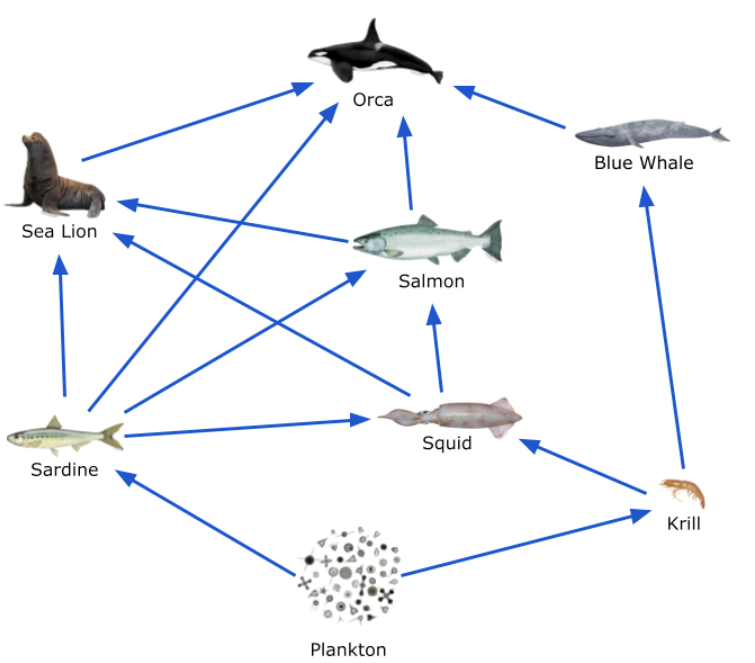
Sea lions play an important role in maintaining balanced marine ecosystems. As predators, they help regulate fish and squid populations, preventing certain species from becoming overly abundant.
Sea lions are also part of larger ocean food webs. They serve as prey for larger predators such as sharks and orcas. This interconnected relationship helps maintain biodiversity within marine ecosystems.
Studying sea lion diets gives scientists valuable information about ocean health and fish populations. Changes in sea lion feeding behavior can provide clues about environmental problems affecting marine ecosystems.
Fascinating Facts About Sea Lion Feeding Habits
Sea lions are capable of diving to impressive depths while hunting for food. Some species can dive hundreds of feet underwater and remain submerged for several minutes before resurfacing for air.
Unlike seals, sea lions can rotate their back flippers forward, allowing them to move quickly on land. This ability helps them escape predators and travel between resting and feeding areas more efficiently.
Sea lions have strong jaws and sharp teeth designed for gripping slippery prey. Even though they swallow most prey whole, their teeth are highly effective for capturing fast-moving fish and squid underwater.
How Sea Lions Adapt to Different Habitats
Sea lions live in a wide range of marine environments, from tropical coastlines to colder northern oceans. Their adaptable diets help them survive in many different habitats with varying food sources.
In warmer regions, sea lions may feed mainly on small schooling fish near coastal reefs. In colder environments, they often target larger fish species and squid found in deeper waters. Their flexibility allows them to respond to changes in prey availability.
Sea lions also adjust hunting strategies depending on environmental conditions. Some populations hunt near rocky shorelines, while others travel long distances across open oceans. These adaptations contribute to the survival of sea lions in diverse marine ecosystems.
Conclusion
Sea lions are fascinating marine mammals with highly adaptable diets and impressive hunting abilities. Their primary foods include fish, squid, and other marine animals that provide the nutrients needed to support active ocean lifestyles.
From newborn pups drinking nutrient-rich milk to adults diving deep underwater for prey, every stage of a sea lion’s life depends on proper nutrition and successful hunting. Their feeding habits are closely connected to marine ecosystems and environmental conditions.
Understanding what sea lions eat helps people appreciate the important role these animals play in ocean ecosystems. As threats such as overfishing, pollution, and climate change continue to impact marine life, protecting sea lion habitats and food sources becomes increasingly important for the future of healthy oceans.