What Do Tarantulas Eat? Fascinating Facts About These Giant Spiders

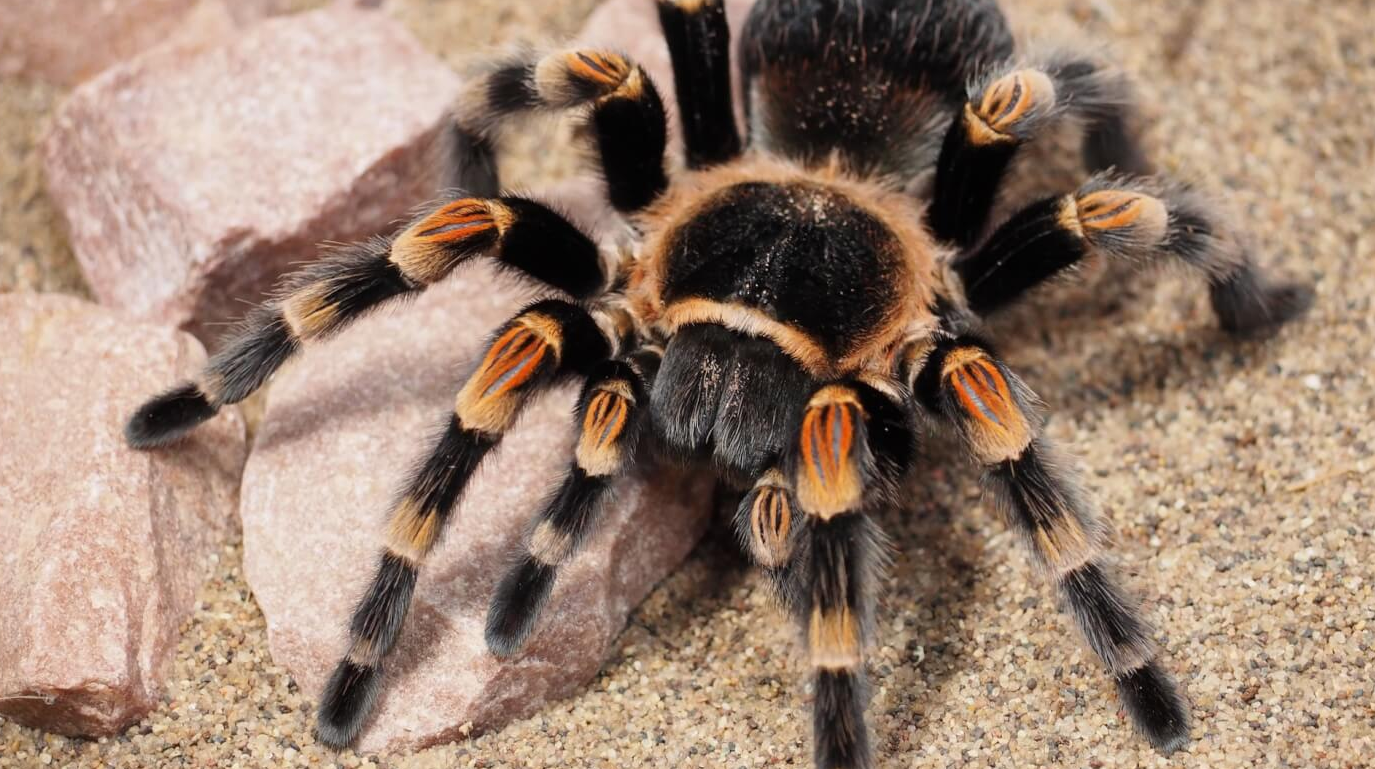
Tarantulas are among the most fascinating and misunderstood creatures in the animal kingdom. Known for their large bodies, hairy legs, and intimidating appearance, these giant spiders often inspire fear and curiosity at the same time. Despite their scary reputation, tarantulas are generally calm predators that play an important role in maintaining balance in ecosystems. One of the most common questions people ask about these spiders is: what do tarantulas eat?
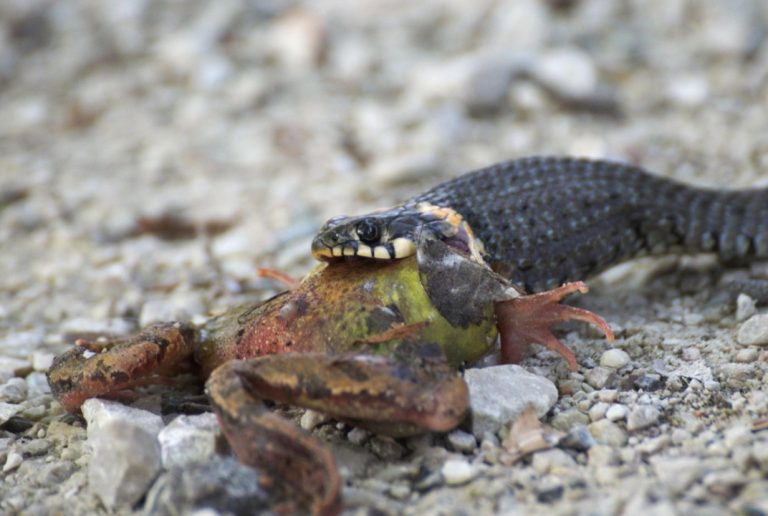
Tarantulas are carnivorous arachnids that survive by hunting and consuming other animals. Their diet mainly includes insects, but larger species are capable of eating small vertebrates such as mice, frogs, lizards, and even tiny birds. The exact diet of a tarantula depends on its species, size, age, and habitat. Some tarantulas live in deserts, while others inhabit tropical rainforests, meaning their food sources can vary greatly.
In this complete guide, we will explore fascinating facts about tarantula diets and feeding habits. You will learn what tarantulas eat in the wild, how they hunt prey, how often they feed, and what pet tarantulas should eat in captivity. We will also discuss baby tarantula diets, seasonal feeding behavior, and the role tarantulas play in nature.
What Is the Main Diet of Tarantulas?
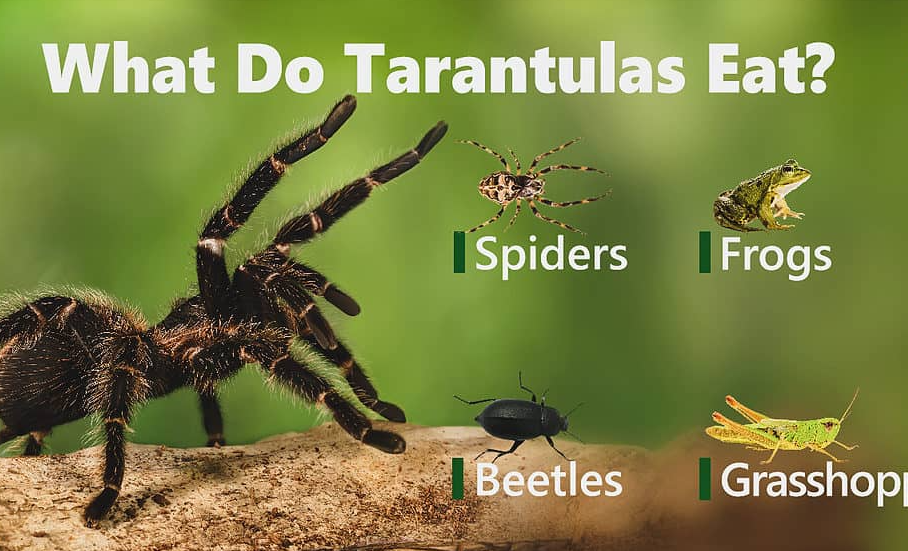
The primary diet of tarantulas consists of insects and other small invertebrates. Crickets, grasshoppers, beetles, cockroaches, mealworms, and locusts are among the most common foods eaten by tarantulas. These prey animals provide the protein and nutrients tarantulas need for growth, molting, and survival.
Larger tarantula species are capable of eating bigger prey items. Some species may hunt frogs, small lizards, snakes, mice, or tiny birds if the opportunity arises. However, despite the nickname “bird-eating spider,” birds are actually a very small part of a tarantula’s natural diet. Most tarantulas mainly rely on insects because they are easier and safer to catch.
Tarantulas are opportunistic predators, meaning they eat whatever suitable prey is available in their environment. Their adaptable feeding habits help them survive in many different habitats around the world. Whether living in dry deserts or humid jungles, tarantulas are skilled hunters that can adjust their diets based on local food availability.
How Tarantulas Hunt Their Prey
Tarantulas are ambush predators that rely on stealth and patience rather than speed. Most tarantulas wait quietly near their burrows or hiding places until prey comes close enough to attack. Once an animal enters striking distance, the tarantula quickly lunges forward and grabs it with its powerful front legs and fangs.
Unlike spiders that use webs to trap prey, tarantulas mainly hunt actively. Their bodies are covered with sensitive hairs that detect vibrations in the ground and air. These sensory hairs help tarantulas locate nearby prey even in complete darkness. Their excellent ability to sense movement makes them highly effective nighttime hunters.
After capturing prey, tarantulas inject venom through their fangs. The venom paralyzes or kills the prey and begins breaking down internal tissues. Tarantulas cannot chew solid food, so they release digestive enzymes that liquefy the prey’s insides before sucking out the nutrients like a liquid meal.
Do Tarantulas Eat Mice and Birds
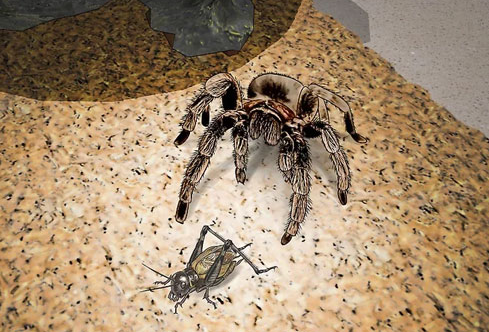
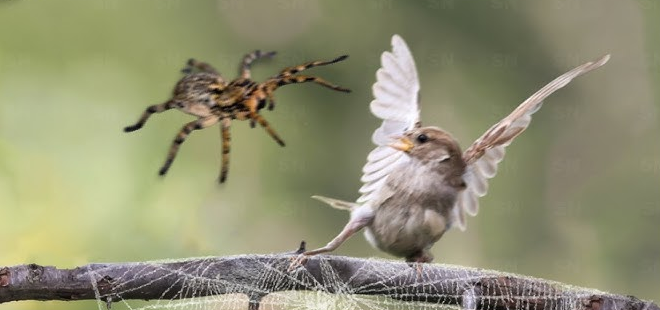
Some of the largest tarantula species can eat small vertebrates such as mice, frogs, and birds, but this behavior is relatively uncommon. Large species like the Goliath birdeater are strong enough to overpower small animals when given the opportunity. However, insects still make up the majority of their diet in the wild.
The nickname “bird-eating spider” originated centuries ago when explorers observed a tarantula eating a small bird. Although this event helped create the famous name, birds are not a regular food source for most tarantulas. Hunting birds requires more energy and presents greater risk of injury compared to catching insects.
In captivity, feeding mice to tarantulas is generally unnecessary. Most pet tarantulas stay healthy on diets consisting mainly of insects such as crickets and roaches. Overfeeding large prey can even cause health problems for some tarantulas, so many experts recommend sticking to appropriately sized insects.
What Do Baby Tarantulas Eat?
Baby tarantulas, often called spiderlings, require much smaller prey than adult tarantulas. Tiny insects such as fruit flies, pinhead crickets, and small roach nymphs are common food sources for young tarantulas. These prey items are easier for spiderlings to catch and consume safely.
Young tarantulas grow rapidly during the early stages of life, so they need regular feeding to support development and molting. Spiderlings usually eat more frequently than adults because their bodies require additional nutrients for growth. Proper nutrition during this stage is essential for survival and healthy development.
As spiderlings mature, they gradually move on to larger prey items. Their feeding abilities improve with each molt, allowing them to hunt bigger insects over time. Watching a baby tarantula grow into a large adult predator is one of the most fascinating aspects of keeping these spiders as pets.
How Often Do Tarantulas Eat?
Tarantulas do not need to eat every day like mammals do. Their slow metabolism allows them to survive long periods without food. Adult tarantulas may eat once every few days or even once every couple of weeks depending on their size, species, and environmental conditions.
Young tarantulas usually eat more often than adults because they are growing rapidly. Spiderlings may feed several times per week, while mature tarantulas can remain healthy with less frequent meals. Feeding schedules also vary depending on temperature and activity levels.
Before molting, tarantulas often stop eating completely for days or even weeks. Molting is the process where a tarantula sheds its old exoskeleton to grow. During this time, tarantulas become vulnerable and avoid hunting. Once the molt is complete and the new exoskeleton hardens, they begin eating again.
How Tarantulas Digest Food
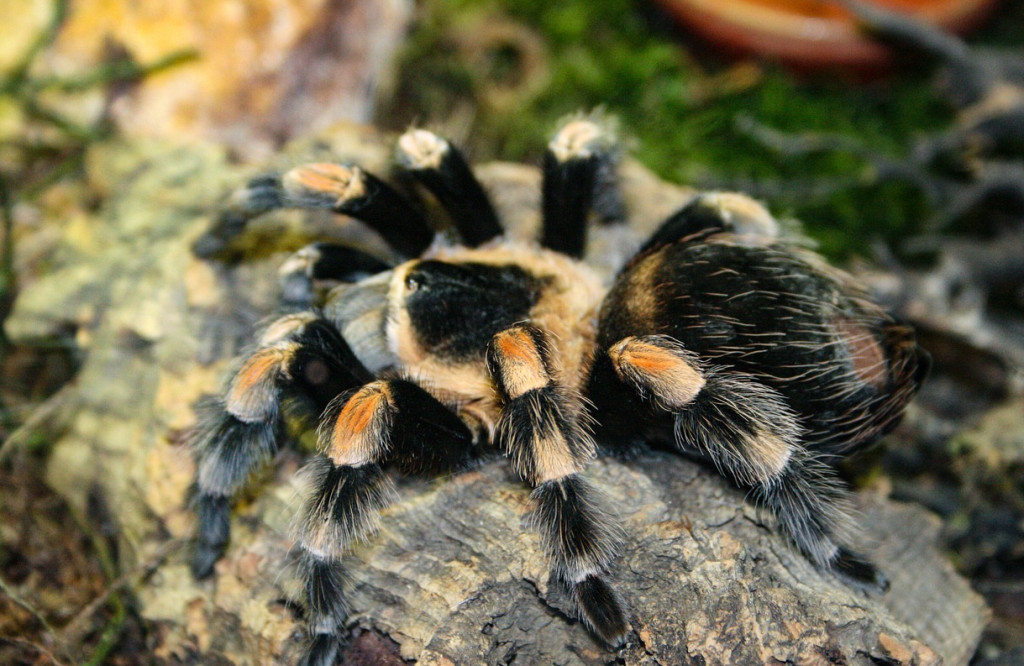
Tarantulas have a very unusual way of eating and digesting food. Unlike humans and many animals, tarantulas cannot chew solid material. Instead, they use digestive enzymes to liquefy the internal tissues of their prey before consuming it.
After injecting venom into prey, the tarantula crushes the animal with its mouthparts while releasing digestive fluids. These enzymes break down muscles and organs into a liquid form. The spider then sucks the nutrients into its digestive system, leaving behind only the outer shell or exoskeleton.
This external digestion process allows tarantulas to efficiently extract nutrients from prey. Because they only consume liquids, tarantulas often leave behind dry remains after feeding. These leftovers are commonly called “food boluses” and are usually discarded outside the tarantula’s hiding area.
What Do Pet Tarantulas Eat?
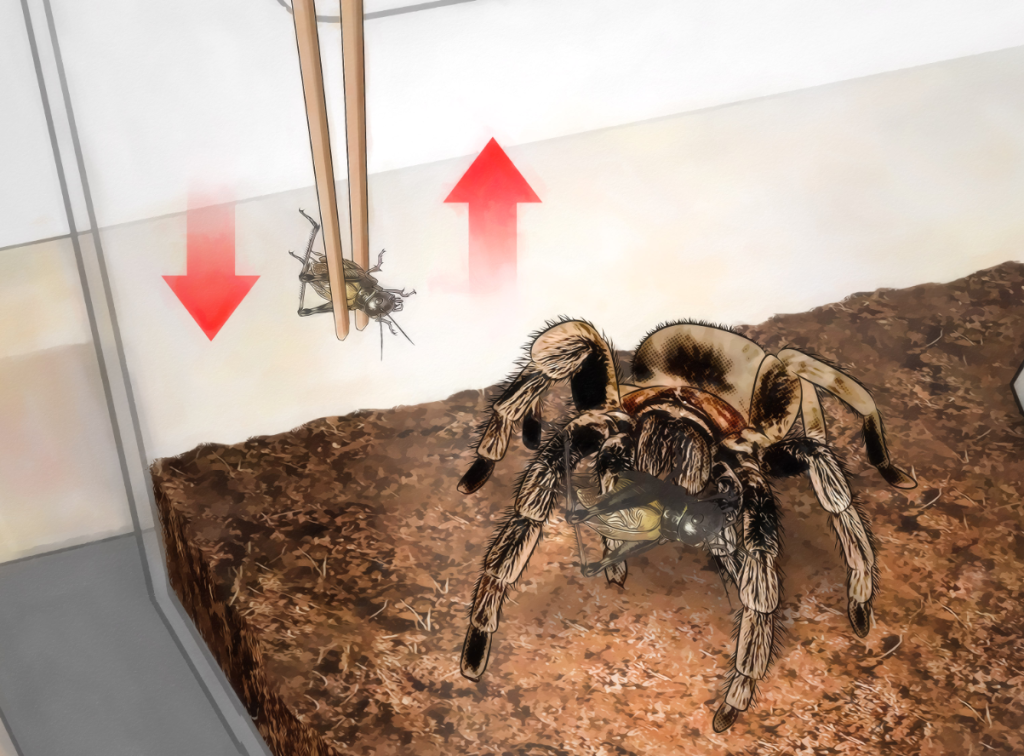
Pet tarantulas are usually fed insects that are easy to obtain and nutritionally balanced. Crickets are one of the most popular food choices because they are affordable, widely available, and easy for tarantulas to hunt. Dubia roaches, mealworms, superworms, and locusts are also commonly used as feeder insects.
The size of the prey should match the size of the tarantula. A general rule is that prey should not be larger than the tarantula’s body. Feeding prey that is too large can stress or injure the spider, especially during vulnerable periods like molting.
Owners should avoid feeding wild-caught insects because they may carry pesticides or parasites. Captive-bred feeder insects are much safer and help ensure the health of pet tarantulas. Providing clean water and maintaining proper enclosure conditions are also important parts of tarantula care.
Do Tarantulas Drink Water?
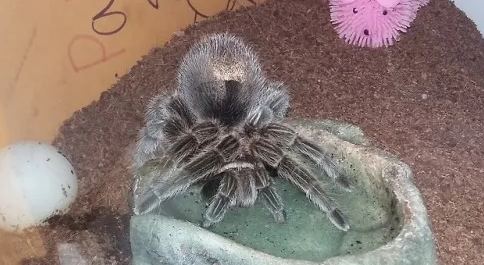
Although tarantulas get some moisture from their prey, they still require access to water. Most pet tarantulas are provided with shallow water dishes inside their enclosures. Hydration is important for digestion, molting, and overall health.
In the wild, tarantulas may drink water droplets from rain, leaves, or damp soil. Tropical species living in humid environments naturally encounter more moisture than desert species. Different tarantula species have varying humidity and hydration needs depending on their habitats.
Dehydration can be dangerous for tarantulas and may lead to weakness or death. Signs of dehydration include a shrunken abdomen and sluggish behavior. Providing clean water and proper humidity helps tarantulas stay healthy and active.
Seasonal Feeding Habits of Tarantulas
Tarantula feeding habits can change depending on the season and environmental conditions. In cooler temperatures, tarantulas become less active and may eat less frequently because their metabolism slows down. Warmer temperatures usually increase activity and appetite.
Some tarantulas experience seasonal fasting periods, especially before molting or during breeding seasons. Female tarantulas preparing to produce egg sacs may increase feeding beforehand to build energy reserves. Males, on the other hand, sometimes eat less while searching for mates.
Wild tarantulas also adjust feeding behavior based on prey availability. During rainy seasons, insect populations may increase, providing more food opportunities. In dry seasons, tarantulas may remain hidden in burrows for extended periods to conserve energy.
The Role of Tarantulas in Ecosystems
Tarantulas play an important role in maintaining balance within ecosystems. As predators, they help control insect populations and reduce the number of pests in their environments. Without predators like tarantulas, certain insect species could multiply rapidly and disrupt ecological balance.
Tarantulas are also an important food source for other animals. Birds, reptiles, mammals, and larger insects may prey on tarantulas despite their venom and defensive hairs. This makes tarantulas part of a larger food chain that supports biodiversity.
By living in burrows, tarantulas may also contribute to soil health and aeration. Their underground homes provide shelter for smaller organisms and help influence the surrounding environment. Even though many people fear spiders, tarantulas actually provide several ecological benefits.
Defenses Tarantulas Use While Hunting
Tarantulas have several defense mechanisms that help them survive in the wild. One of their most famous defenses is the use of urticating hairs. Some New World tarantulas can kick tiny irritating hairs from their abdomen at predators, causing itching and irritation.
Their venom is another important defensive tool. While tarantula venom is usually not dangerous to humans, it is effective against insects and small animals. Venom helps immobilize prey quickly and protects the spider from threats.
Tarantulas also rely on camouflage and hiding behavior to avoid predators. Many species blend into their surroundings or remain hidden inside burrows during the daytime. These survival strategies allow tarantulas to hunt successfully while avoiding danger.
Fascinating Facts About Tarantula Feeding
Some tarantulas can survive for months without eating. Their slow metabolism allows them to conserve energy during periods when food is scarce. This adaptation is especially useful in harsh environments where prey may not always be available.
Female tarantulas usually live much longer than males and may continue hunting for decades in some species. Males often stop eating once they reach maturity because they focus primarily on finding mates instead of hunting.
Despite their frightening appearance, tarantulas are generally calm and prefer avoiding conflict whenever possible. Most bites occur only when the spider feels threatened. In reality, tarantulas are fascinating predators that rely more on patience and stealth than aggression.
Conclusion
Tarantulas are remarkable predators with fascinating feeding habits and highly adaptable diets. From insects and worms to small vertebrates, these giant spiders consume a wide variety of prey depending on their species, size, and habitat. Their hunting techniques, venom, and unique digestion process make them some of the most interesting arachnids in the world.
Whether living in tropical rainforests, deserts, or home terrariums, tarantulas rely on protein-rich diets to survive and grow. Baby tarantulas require frequent feeding to support development, while adults can survive long periods without food thanks to their slow metabolism.
Understanding what tarantulas eat helps people appreciate the important role these spiders play in ecosystems. Although they may appear intimidating, tarantulas are valuable predators that contribute to ecological balance and biodiversity in nature.