What Do Dolphins Eat? A Complete Guide to the Dolphin Diet

Dolphins are among the most intelligent and fascinating creatures in the ocean. Known for their playful behavior, strong social bonds, and incredible hunting skills, these marine mammals have captured human curiosity for centuries. One of the most common questions people ask about dolphins is: what do dolphins eat? Understanding the dolphin diet helps scientists learn more about marine ecosystems and how dolphins survive in different ocean environments.
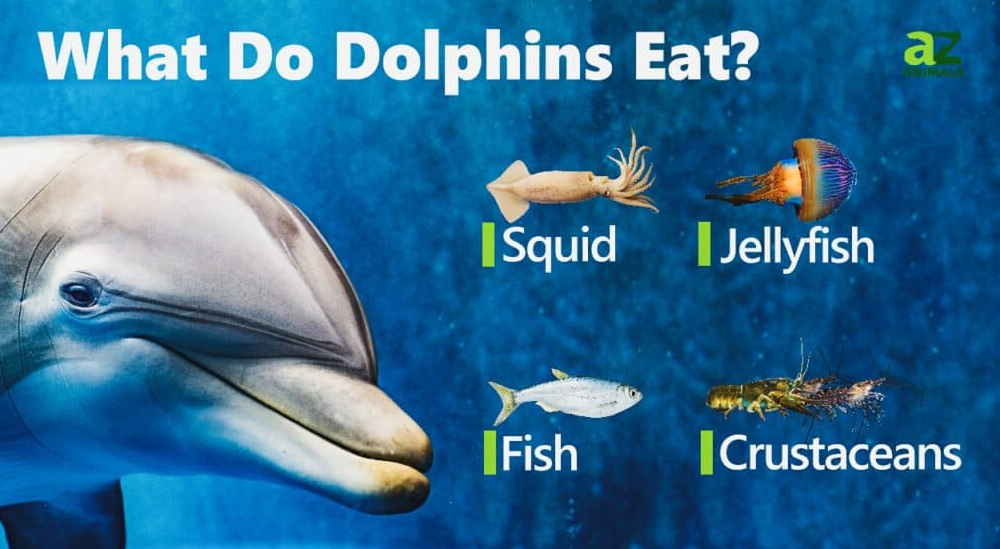
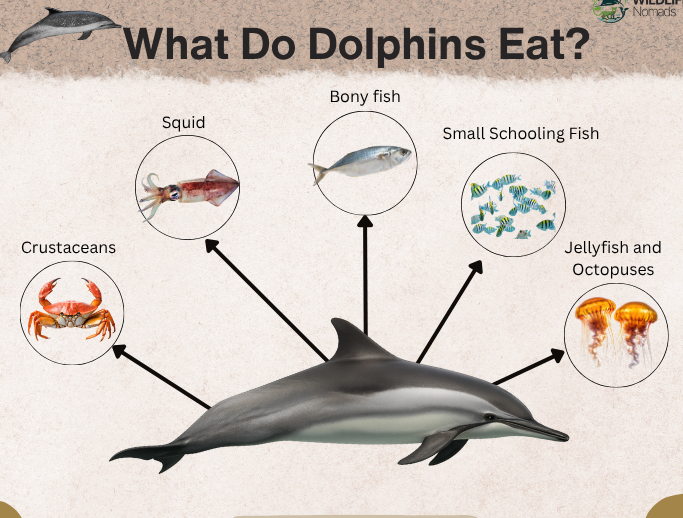
Dolphins are carnivores, meaning they eat other animals to survive. Their diet mainly consists of fish, squid, and crustaceans, but the exact foods they consume depend on the species of dolphin and the region where they live. Some dolphins prefer small schooling fish, while others hunt larger prey in deep waters. Their feeding habits are highly adaptable, allowing them to thrive in oceans, rivers, and coastal areas around the world.
In this complete guide, we will explore everything about the dolphin diet. You will learn what dolphins eat in the wild, how they hunt for food, how much they eat each day, and how their diet differs in captivity. We will also discuss the feeding habits of baby dolphins and the role dolphins play in maintaining balance in marine ecosystems.
What Is the Main Diet of Dolphins?
Dolphins primarily eat fish and squid because these foods provide the nutrients and energy they need to survive. Fish are rich in protein and healthy fats, which help dolphins maintain their strength and body temperature in cold ocean waters. Squid are also an important food source because they are abundant in many parts of the ocean and are easy for dolphins to catch using echolocation.
Different dolphin species prefer different types of prey. Bottlenose dolphins often eat mullet, mackerel, and herring, while spinner dolphins commonly feed on lanternfish and small squid. River dolphins living in freshwater environments may consume catfish, crabs, and freshwater fish. The diet of a dolphin depends heavily on the availability of food in its habitat.
Dolphins are opportunistic feeders, meaning they eat whatever suitable prey is available. This adaptability helps them survive changes in the marine environment. If one food source becomes scarce, dolphins can switch to another type of prey. Their flexible diet is one reason dolphins are found in oceans and rivers across the globe.
Types of Fish Dolphins Eat
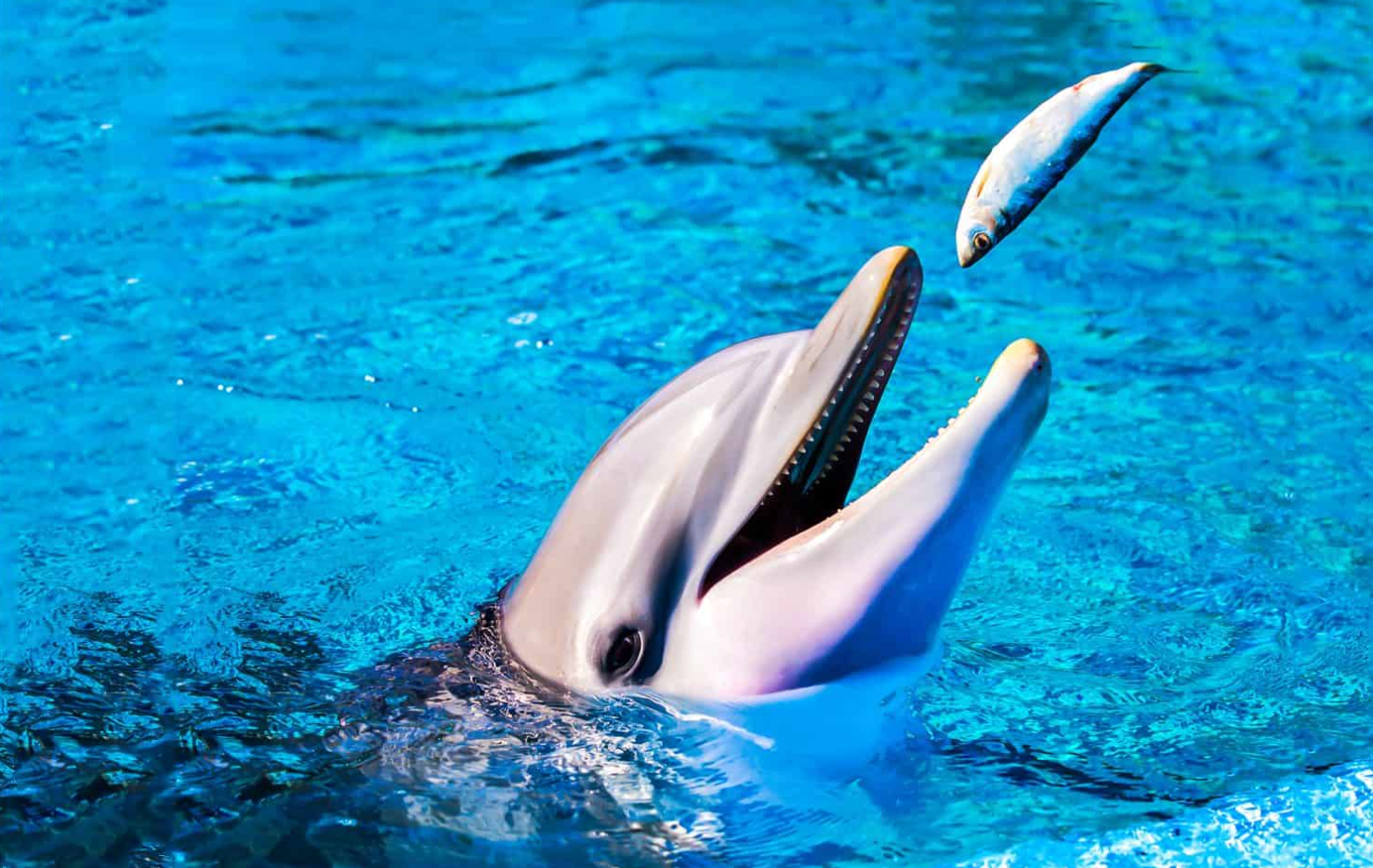
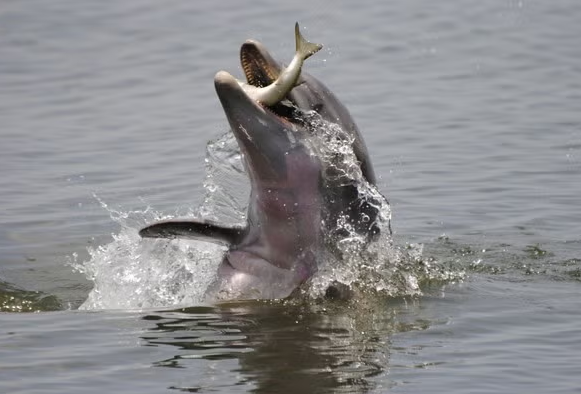
Fish make up the largest part of most dolphin diets. Dolphins commonly hunt small to medium-sized fish that travel in schools because these groups are easier to capture. Popular fish species eaten by dolphins include sardines, anchovies, herring, cod, and mackerel. These fish are packed with nutrients and are widely available in many marine ecosystems.
Some dolphins specialize in catching fish near the ocean surface, while others dive deep underwater to hunt. Coastal dolphins often chase fish into shallow waters where escape becomes difficult. In deeper oceans, dolphins may pursue fast-swimming fish using teamwork and communication. Their speed and agility make them highly effective predators.
Dolphins swallow fish whole instead of chewing them. Their teeth are designed for gripping slippery prey rather than tearing flesh. Once captured, fish are quickly swallowed headfirst to avoid injury from fins or scales. This feeding method allows dolphins to consume large amounts of food efficiently during hunting sessions.
Do Dolphins Eat Squid and Octopus?
Squid are another major food source for dolphins, especially those living in deep ocean environments. Squid are soft-bodied and rich in nutrients, making them an ideal prey item. Many dolphin species hunt squid at night because squid often move closer to the surface after dark.
Some dolphins dive hundreds of feet underwater in search of squid. These deep dives require excellent breath control and navigation skills. Dolphins use echolocation to locate squid in dark waters where visibility is low. By emitting clicking sounds and listening for echoes, dolphins can detect prey with remarkable accuracy.
Although squid are more common in the dolphin diet, some dolphins also eat octopus. Octopuses are intelligent and capable of hiding among rocks and coral reefs, so they can be more difficult to catch. However, experienced dolphins are skilled hunters and can use their intelligence and problem-solving abilities to capture these challenging prey animals.
How Dolphins Hunt for Food
Dolphins are highly intelligent hunters that use advanced techniques to catch prey. One of their most powerful hunting tools is echolocation. Dolphins produce clicking sounds that bounce off objects underwater and return as echoes. This natural sonar system helps dolphins determine the location, size, and movement of prey even in murky water.
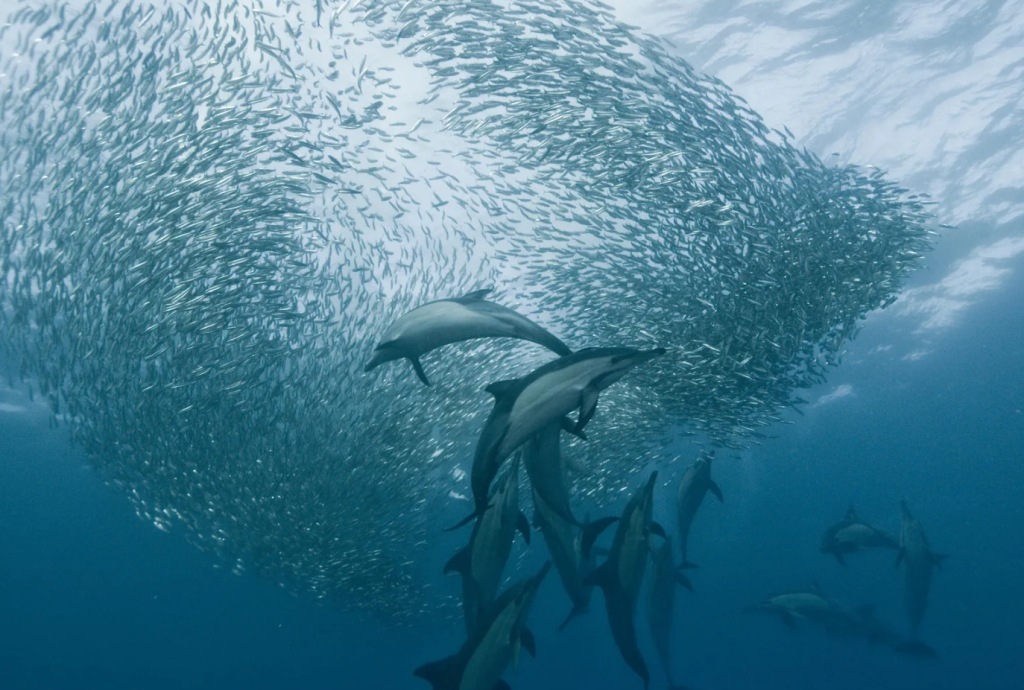
Many dolphins hunt cooperatively in groups called pods. Working together increases their chances of catching food. Some dolphins surround schools of fish and trap them into tight balls before taking turns swimming through the group to feed. This coordinated behavior demonstrates strong communication and teamwork among pod members.
Certain dolphin species use unique hunting methods depending on their environment. For example, bottlenose dolphins in some regions practice “mud ring feeding,” where they create circles of mud to trap fish. Others use beach hunting techniques by chasing fish onto shorelines. These specialized strategies show the remarkable adaptability and intelligence of dolphins.
How Much Food Do Dolphins Eat Each Day?
The amount of food a dolphin eats depends on its size, age, activity level, and species. On average, an adult dolphin consumes between 4% and 10% of its body weight daily. A bottlenose dolphin weighing around 300 pounds may eat approximately 15 to 30 pounds of fish and squid every day.
Dolphins need a large amount of energy because they are constantly swimming and maintaining body heat. Unlike reptiles, dolphins are warm-blooded mammals, so they burn calories quickly. Hunting, socializing, and traveling long distances also increase their energy requirements, making frequent feeding necessary.
Food intake can vary based on environmental conditions. During times when prey is abundant, dolphins may eat more than usual. If food becomes scarce, they may travel farther or spend more time hunting. Seasonal migrations of fish can also influence dolphin feeding habits throughout the year.
What Do Baby Dolphins Eat?
Baby dolphins, known as calves, rely entirely on their mother’s milk during the first months of life. Dolphin milk is rich in fat and nutrients, helping calves grow quickly and develop the strength needed for swimming. Nursing usually begins immediately after birth and continues for several months or even years.
As calves grow older, they gradually learn to eat solid food. Young dolphins observe their mothers hunting and begin practicing with small fish. This learning process is essential because hunting requires skill, coordination, and understanding of prey behavior. Mothers often stay close to their calves during these early feeding experiences.
Even after learning to hunt, young dolphins may continue nursing for additional nutrition and comfort. The bond between a mother dolphin and her calf is extremely strong. This extended period of parental care gives calves the best chance of surviving in the wild and becoming successful hunters.
What Do Dolphins Eat in Captivity?
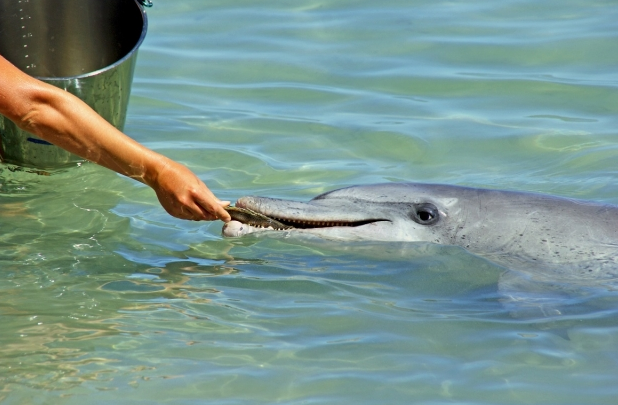
Dolphins living in aquariums and marine parks are usually fed a carefully controlled diet of fish such as herring, capelin, mackerel, and squid. Trainers provide food that meets the dolphins’ nutritional needs and monitor their health regularly. Vitamins and supplements are sometimes added to ensure balanced nutrition.
Unlike wild dolphins, captive dolphins do not need to hunt for food. Instead, they receive meals several times throughout the day during training and feeding sessions. These sessions also provide mental stimulation and exercise, helping dolphins stay active in managed environments.
The diet of captive dolphins is designed to mimic what they would eat in the wild as closely as possible. However, there are differences because frozen fish is often used instead of live prey. Marine biologists and veterinarians carefully study dolphin nutrition to maintain the animals’ health and well-being in captivity.
Do Dolphins Eat Sharks?
Most dolphins do not regularly hunt large sharks, but they may attack or eat smaller shark species under certain circumstances. Some large dolphins, such as orcas, which belong to the dolphin family, are known to prey on sharks more frequently. Orcas are powerful predators capable of hunting even great white sharks.
Smaller dolphins generally avoid dangerous shark encounters whenever possible. Sharks are often predators of dolphins rather than prey. However, dolphins are highly social animals and sometimes defend themselves against sharks by attacking with their strong snouts. Pods of dolphins can work together to drive sharks away.
In rare cases, dolphins may consume small sharks if food is limited or if the opportunity arises. These interactions vary greatly depending on the dolphin species and the marine environment. Overall, fish and squid remain far more important components of the dolphin diet than sharks.
Seasonal Changes in the Dolphin Diet
The dolphin diet can change with the seasons because marine ecosystems are constantly shifting. Fish migration patterns, water temperatures, and breeding cycles all affect prey availability. Dolphins adapt by changing their hunting locations and targeting different species throughout the year.
In colder months, some fish species move to warmer waters, forcing dolphins to travel longer distances for food. During warmer seasons, prey may become more abundant near coastlines, leading dolphins to hunt closer to shore. Seasonal feeding patterns are especially noticeable in regions with strong ocean currents and climate variations.
These dietary changes demonstrate the adaptability of dolphins. Their intelligence and mobility allow them to respond effectively to environmental changes. Scientists study seasonal feeding behavior to better understand marine ecosystems and the impact of climate change on ocean wildlife.
The Role of Dolphins in Marine Ecosystems
Dolphins play an important role in maintaining healthy marine ecosystems. As predators, they help regulate fish populations and prevent certain species from becoming overly abundant. This balance supports biodiversity and contributes to stable ocean food chains.
By feeding on weak or sick fish, dolphins may also help maintain healthier prey populations. Natural predators are essential for ecosystem health because they influence the behavior and distribution of many marine species. Dolphins are part of a complex ecological network that connects numerous ocean organisms.
Human activities such as overfishing, pollution, and climate change can disrupt the dolphin food supply. When prey populations decline, dolphins may struggle to find enough food. Protecting marine habitats and maintaining sustainable fishing practices are important steps in preserving dolphin populations and ocean ecosystems.
Threats to Dolphin Food Sources
One major threat to dolphin food sources is overfishing. Commercial fishing operations often remove large quantities of fish from the ocean, reducing the availability of prey for dolphins. In some areas, dolphins must compete directly with humans for the same fish species.
Pollution also affects dolphin diets and health. Plastic waste, chemical contamination, and oil spills can damage marine ecosystems and harm fish populations. Dolphins may accidentally ingest polluted prey or become exposed to harmful toxins that accumulate in the food chain over time.
Climate change is another growing concern for dolphins. Rising ocean temperatures and changing currents can alter fish migration patterns and disrupt marine habitats. As prey becomes harder to find, dolphins may face increased stress and reduced survival rates. Conservation efforts are essential for protecting both dolphins and their food sources.
Fun Facts About Dolphin Eating Habits
Dolphins have several fascinating eating habits that highlight their intelligence. Some dolphins use marine sponges as tools to protect their snouts while searching for fish on the seafloor. This behavior is considered one of the rare examples of tool use in marine animals.
Many dolphins communicate while hunting using whistles, clicks, and body movements. These signals help pod members coordinate attacks and share information about prey locations. Teamwork allows dolphins to catch fish more efficiently than hunting alone.
Another interesting fact is that dolphins rarely drink seawater. Instead, they obtain most of their hydration from the fish and squid they eat. This adaptation helps them survive in salty ocean environments without becoming dehydrated.
Conclusion
Dolphins are skilled and adaptable predators with diets that mainly consist of fish, squid, and other marine animals. Their feeding habits vary depending on species, habitat, and environmental conditions. Using echolocation, teamwork, and specialized hunting techniques, dolphins are able to thrive in oceans and rivers around the world.
From baby calves drinking nutrient-rich milk to adults hunting schools of fish, every stage of a dolphin’s life is connected to food and survival. Dolphins play a crucial role in marine ecosystems by helping maintain balanced prey populations and supporting ocean biodiversity.
Understanding what dolphins eat gives us a deeper appreciation for these intelligent marine mammals and the ecosystems they inhabit. As human activities continue to impact ocean environments, protecting dolphin habitats and food sources becomes increasingly important for the future of marine life.