What Do Snakes Eat? Everything You Need to Know About Their Diet

What Do Snakes Eat? It’s a question that sparks both curiosity and a bit of mystery. Snakes are among the most fascinating predators in the animal kingdom, known for their stealth, patience, and unique way of consuming prey whole. Their diet is not only diverse but also deeply connected to their environment and survival strategies.
The Snake is a carnivorous reptile found on nearly every continent. With over 3,000 species worldwide, snakes display a wide range of feeding habits, from tiny insect-eaters to powerful constrictors capable of taking down large mammals. Their diet varies significantly depending on species, habitat, and size.
In this complete guide, we’ll explore everything you need to know about what snakes eat, including their favorite foods, hunting methods, feeding frequency, and how their diet changes throughout their lives.
What Do Snakes Eat? (Quick Overview)
Snakes are strict carnivores, meaning they eat only animal-based foods. Unlike omnivores or herbivores, snakes rely entirely on prey for their nutritional needs. Their bodies are specially adapted to digest whole animals, including bones, fur, and feathers.
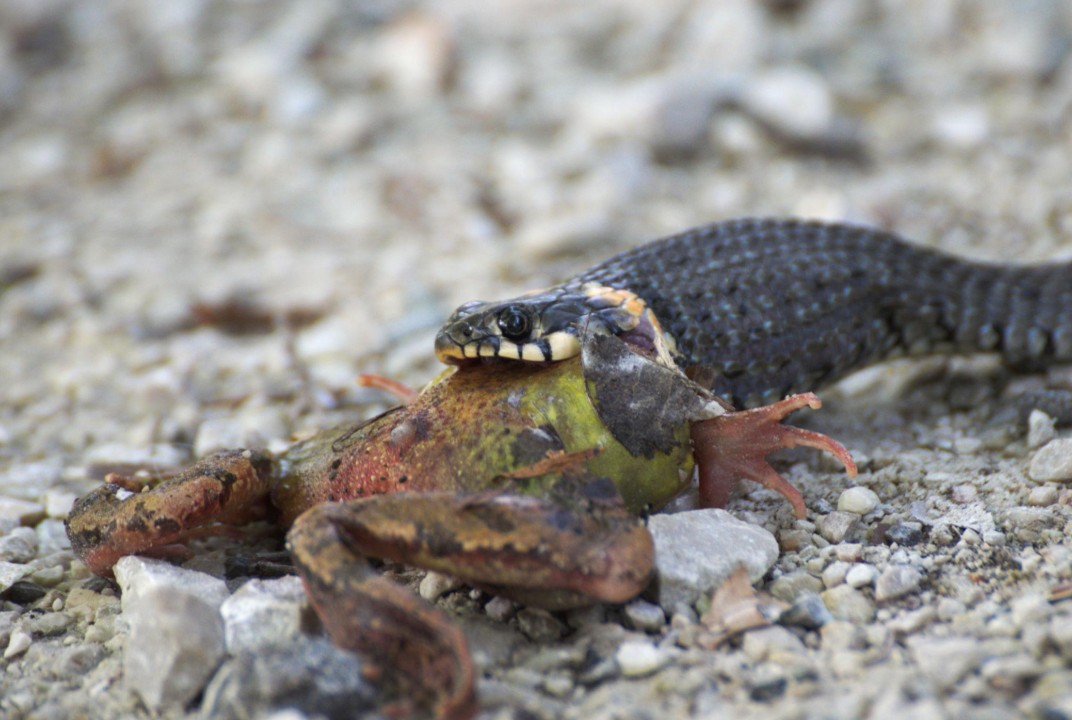
Common foods in a snake’s diet include rodents, birds, eggs, amphibians, insects, and even other reptiles. Larger species may prey on rabbits, pigs, or deer, while smaller snakes focus on insects and tiny vertebrates.
This wide range of prey highlights how adaptable snakes are. Their diet depends heavily on what is available in their environment, making them efficient and opportunistic predators.
Types of Snakes and Their Diet Differences
Not all snakes eat the same foods. Their diet varies greatly depending on species, size, and habitat. Some snakes are specialized feeders, while others have a more flexible diet.
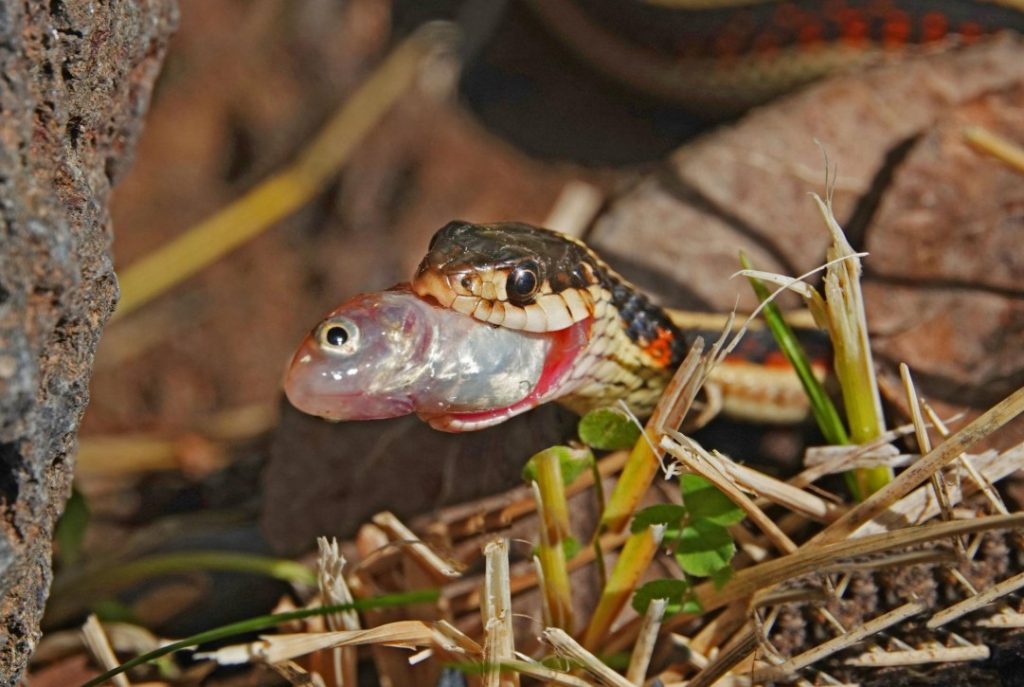
For example, large constrictors like pythons primarily eat mammals and birds. Smaller species, such as garter snakes, feed on insects, worms, and amphibians. Venomous snakes often target prey that can be subdued quickly with venom.
These differences show how snakes have evolved to fit their ecological niches. Their diet reflects their physical abilities, hunting style, and environment.
What Do Snakes Eat in the Wild?
In the wild, snakes rely entirely on hunting to obtain food. Their diet is influenced by the availability of prey in their environment, which can vary by season and location.
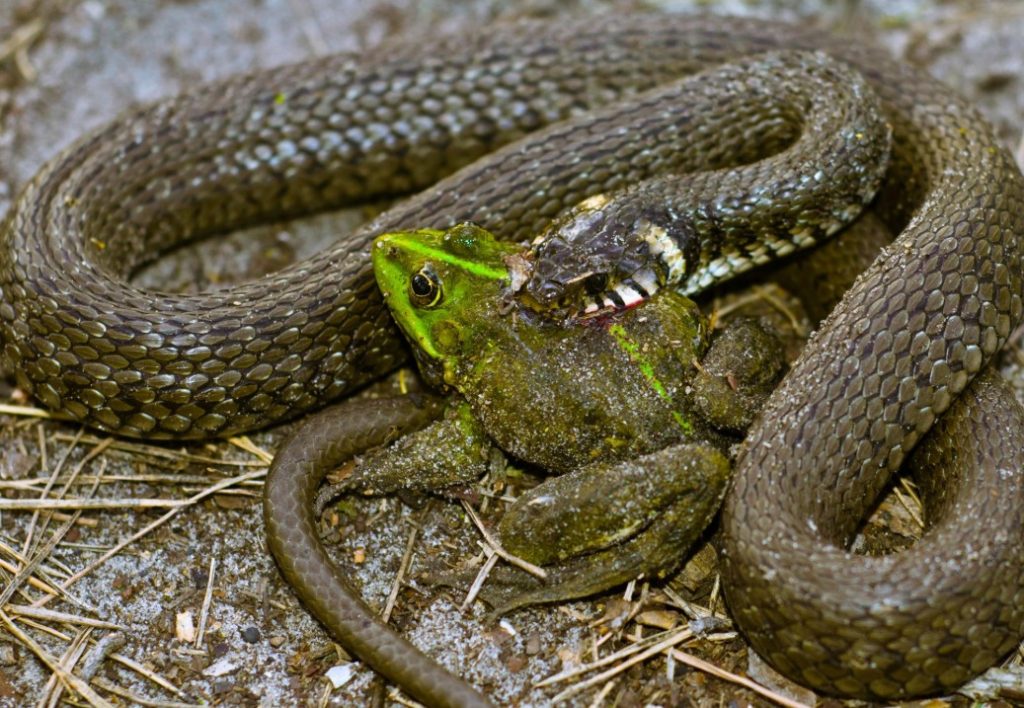
Wild snakes commonly eat rodents, birds, frogs, lizards, and insects. Aquatic snakes may also consume fish and amphibians. Their ability to adapt their diet helps them survive in diverse ecosystems.
Hunting in the wild requires patience and precision. Snakes often wait motionless for prey to come within striking distance, conserving energy while maximizing success.
Favorite Foods of Snakes
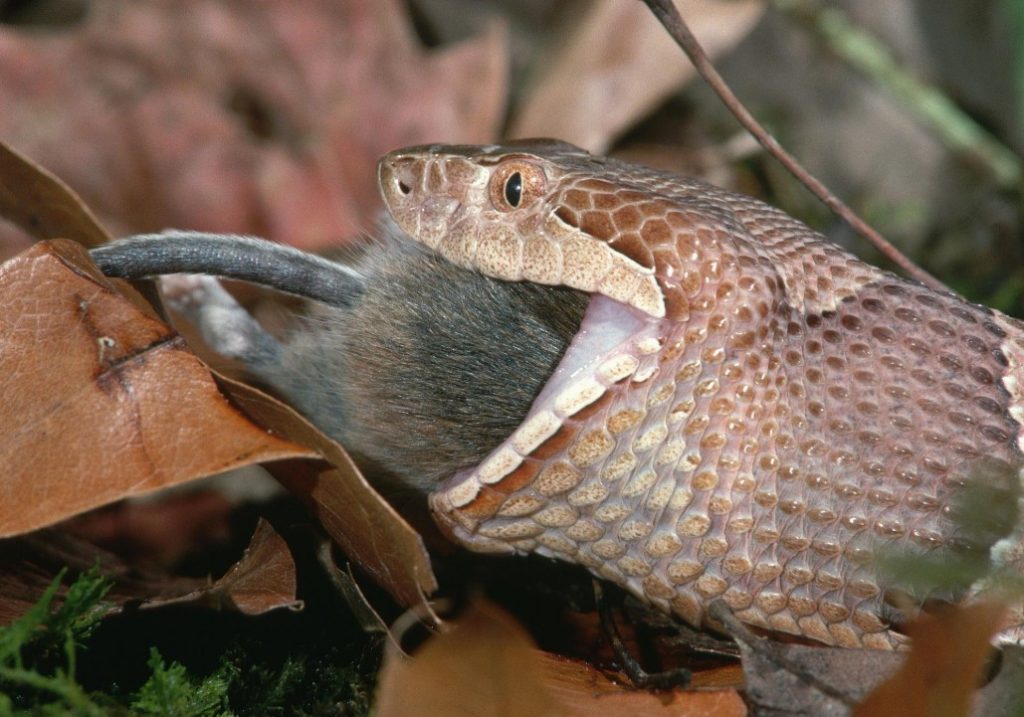
Rodents are among the most common and favorite foods for many snake species. Mice and rats are abundant and provide high levels of protein and fat, making them ideal prey.
Other favorite foods include birds, eggs, frogs, and lizards. Some snakes specialize in eating specific prey, such as egg-eating snakes that consume eggs almost exclusively.
These preferences are shaped by the snake’s environment and physical traits. A snake’s jaw structure, size, and hunting method all influence what it can eat.
How Snakes Hunt Their Prey
Snakes use a variety of hunting techniques depending on their species. Some rely on venom to immobilize prey, while others use constriction to suffocate their target.
Venomous snakes inject toxins that quickly disable prey, making it easier to consume. Constrictors wrap their bodies around prey, tightening until the animal can no longer breathe.
Ambush hunting is also common. Many snakes remain still for long periods, striking with incredible speed when prey approaches. This method conserves energy and increases success rates.
How Snakes Eat: Swallowing Prey Whole
One of the most fascinating aspects of snake behavior is how they eat. Snakes do not chew their food. Instead, they swallow prey whole using highly flexible jaws.
Their lower jaws are not fused, allowing them to open their mouths extremely wide. Ligaments stretch to accommodate prey much larger than their head.
After swallowing, digestion begins slowly. Powerful stomach acids break down the prey, including bones and fur, leaving very little waste.
Feeding Frequency
Snakes do not need to eat as often as many other animals. Their slow metabolism allows them to survive long periods without food.
Small snakes may eat once or twice a week, while larger snakes might eat only once every few weeks. Some species can go months without eating, especially during colder seasons.
Feeding frequency depends on factors such as size, age, and environmental conditions. This ability to fast is a key survival adaptation.
Diet Changes by Age
Young snakes often eat smaller prey, such as insects, worms, or tiny rodents. These foods are easier to catch and digest.
As snakes grow, they transition to larger prey. Adult snakes can consume animals that provide more energy and nutrients.
This shift in diet is essential for growth and development. It also reflects the snake’s increasing strength and hunting ability.
What Do Pet Snakes Eat?
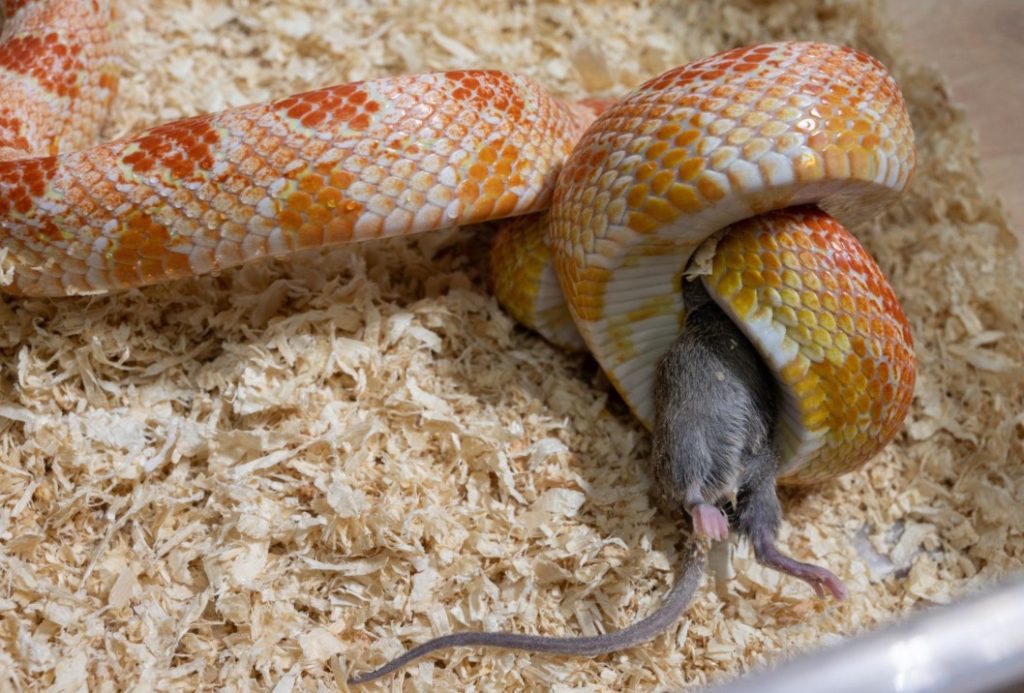
Pet snakes are typically fed pre-killed or frozen-thawed prey. This is safer for both the snake and the owner.
Common foods for pet snakes include mice, rats, and occasionally chicks. The size of the prey should match the size of the snake.
Providing a proper diet is essential for health. Owners must ensure their snake receives the right nutrients and feeding schedule.
Foods Snakes Do Not Eat
Snakes do not eat plants, fruits, or vegetables. Their digestive system is designed exclusively for animal-based foods.
They also avoid prey that is too large or difficult to subdue. Attempting to eat inappropriate prey can be dangerous.
Understanding what snakes do not eat helps prevent feeding mistakes, especially in captivity.
Where Snakes Find Food
Snakes can be found in a wide range of habitats, including forests, deserts, wetlands, and grasslands. Each environment offers different types of prey.
They rely on their senses, such as smell and heat detection, to locate food. Some species can detect body heat using specialized organs.
This ability allows snakes to hunt effectively even in low-light conditions.
Importance of Snakes in Ecosystems
Snakes play a crucial role in maintaining ecological balance. By controlling populations of rodents and other animals, they help prevent overpopulation.
They also serve as prey for larger animals, contributing to the food chain. Their presence indicates a healthy ecosystem.
Understanding their diet helps highlight their importance in nature.
Fun Facts About Snake Diets
- Snakes can swallow prey larger than their head
- Some species specialize in eating eggs
- They can survive long periods without food
- Their digestion is highly efficient
These facts make snakes one of the most unique feeders in the animal kingdom.
FAQs
What do snakes eat the most?
Most snakes commonly eat rodents like mice and rats.
Do snakes eat every day?
No, they eat infrequently depending on their size and species.
Can snakes eat humans?
Very large snakes rarely can, but it is extremely uncommon.
Do snakes drink water?
Yes, snakes drink water regularly.
Are snakes picky eaters?
Some are, especially species with specialized diets.
Conclusion
So, What Do Snakes Eat? The answer is simple yet fascinating—they are carnivores that consume a wide variety of prey depending on their species and environment.
From tiny insects to large mammals, snakes have evolved to become efficient and adaptable predators. Their feeding habits, hunting techniques, and ability to swallow prey whole make them truly unique.
By understanding their diet, we gain a deeper appreciation for these incredible reptiles and their role in the natural world.