What Do Mountain Lions Eat? Surprising Facts About These Big Cats

Mountain lions are among the most powerful and mysterious predators in North and South America. Also known as cougars, pumas, or panthers, these large cats are famous for their stealth, strength, and incredible hunting skills. Unlike lions that live in prides, mountain lions are solitary animals that quietly roam forests, deserts, mountains, and grasslands in search of prey. Many people are curious about their feeding habits and often ask: what do mountain lions eat?
Mountain lions are carnivores, meaning they survive entirely on meat. Their diet mainly consists of deer and other medium-sized mammals, but they are highly adaptable hunters capable of eating a wide variety of animals. Depending on their habitat and food availability, mountain lions may hunt elk, rabbits, raccoons, birds, livestock, and even insects. Their ability to adjust their diet helps them survive in many different environments.
In this complete guide, we will explore surprising facts about mountain lion diets and hunting behavior. You will learn what mountain lions eat in the wild, how they hunt prey, how much food they consume, and how their diet changes throughout their lives. We will also discuss their role in ecosystems, threats to their food supply, and fascinating facts about these incredible big cats.
What Is the Main Diet of Mountain Lions?
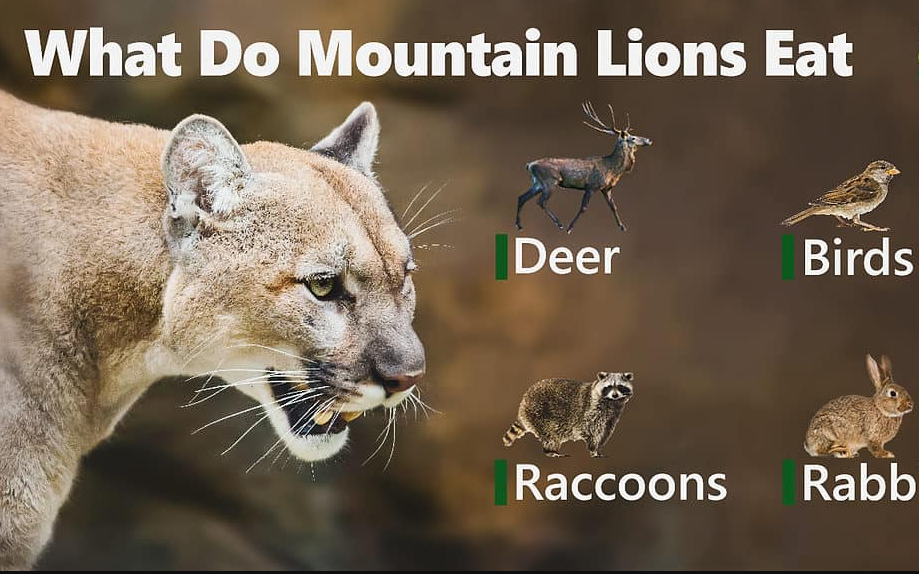
The primary food source for mountain lions is deer. In many regions, deer make up the majority of a mountain lion’s diet because they provide large amounts of meat and energy. Mule deer, white-tailed deer, and black-tailed deer are common prey depending on the mountain lion’s habitat.
Mountain lions also hunt larger animals such as elk and moose when opportunities arise. Although taking down large prey requires significant strength and energy, these animals provide enough food for several days. Mountain lions often drag carcasses to hidden areas where they can continue feeding safely.
Smaller animals are also an important part of their diet. Rabbits, squirrels, raccoons, porcupines, and birds are commonly eaten, especially by younger or smaller mountain lions. Their adaptable feeding habits allow them to survive in regions where large prey is less available.
Why Mountain Lions Are Skilled Predators
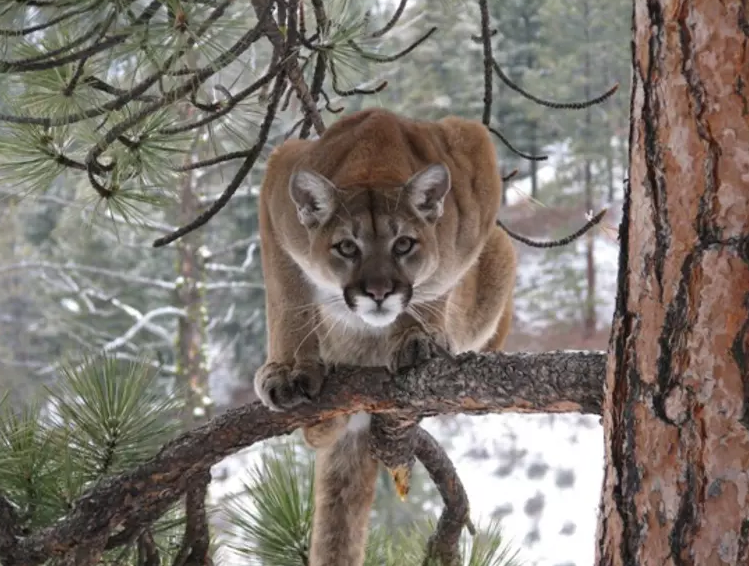
Mountain lions are highly effective hunters because of their physical abilities and stealth. Their muscular legs allow them to leap long distances and pounce on prey with incredible force. They are capable of jumping up to 40 feet horizontally and climbing trees with ease.
Unlike pack hunters such as wolves, mountain lions hunt alone. They rely on patience and surprise rather than endurance. Mountain lions usually stalk prey quietly through vegetation before launching a sudden attack at close range.
Their sharp claws and strong jaws make them deadly predators. Mountain lions typically kill prey with a bite to the neck or throat, quickly suffocating the animal. This efficient hunting method helps conserve energy and reduces the risk of injury.
What Animals Do Mountain Lions Eat?
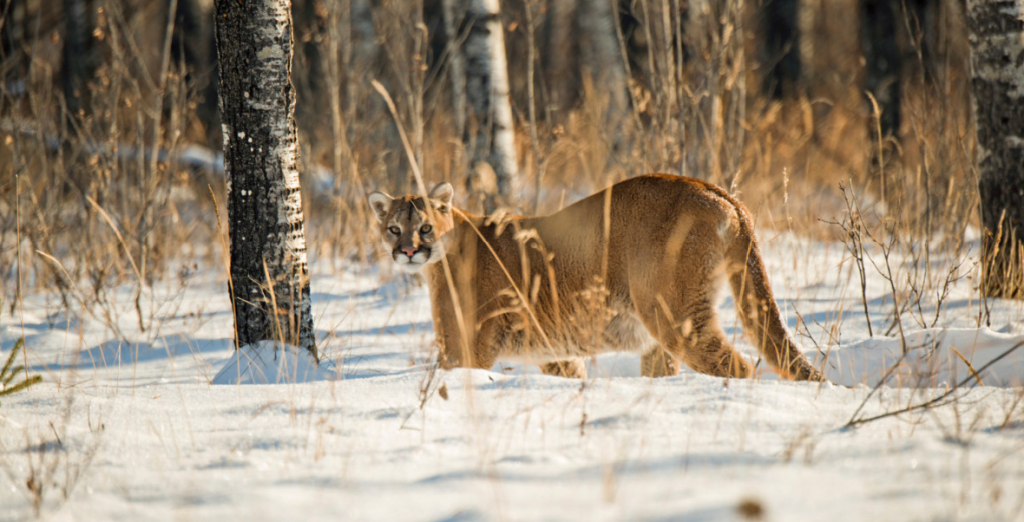
Mountain lions eat a wide variety of animals depending on where they live. In forested regions, deer and elk are common prey, while desert populations may eat smaller mammals such as rabbits and rodents more frequently.
Mountain lions occasionally hunt livestock such as sheep, goats, and calves when wild prey is scarce. This sometimes leads to conflicts with farmers and ranchers. However, wild animals remain their preferred food source in most natural habitats.
Birds, reptiles, and even insects may sometimes be eaten by mountain lions. Although these smaller prey items provide less energy, they can help mountain lions survive during difficult conditions or food shortages.
How Mountain Lions Hunt Their Prey
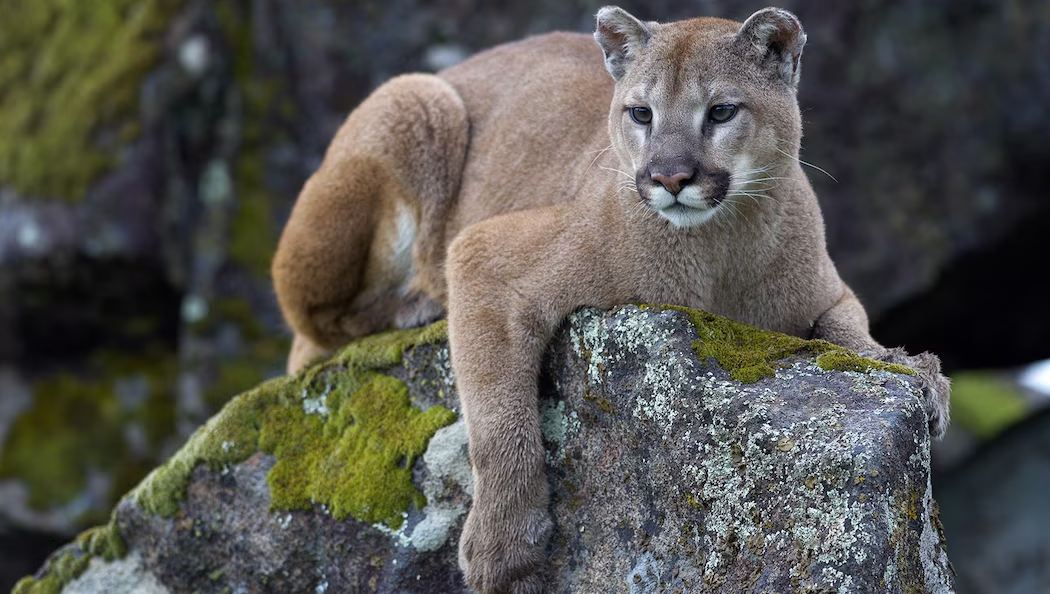
Mountain lions are ambush predators that depend on stealth and camouflage. Their tan-colored fur helps them blend into rocky landscapes, forests, and dry grasslands, making it easier to approach prey unnoticed.
Most mountain lion hunts occur during dawn, dusk, or nighttime hours. These low-light conditions provide better cover for stalking prey. Once close enough, the mountain lion attacks with a quick leap and powerful bite.
After killing prey, mountain lions often drag the carcass to a hidden location. They may cover leftover food with leaves, dirt, or snow to protect it from scavengers. A single large kill can feed a mountain lion for several days.
Do Mountain Lions Eat Small Animals?
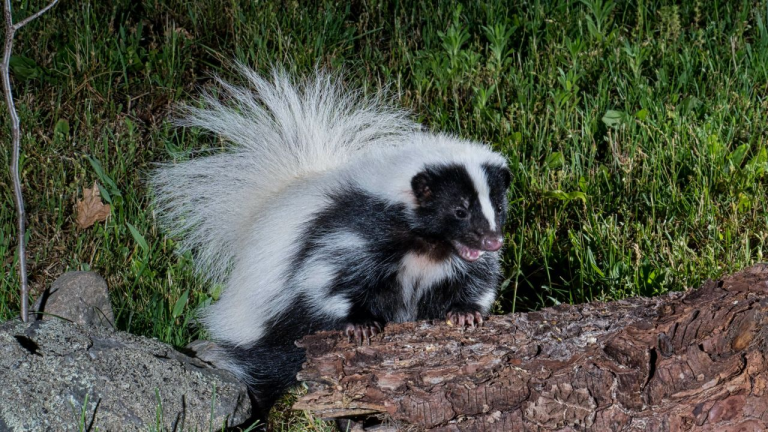
Although mountain lions are known for hunting deer, they frequently eat small animals as well. Rabbits, raccoons, skunks, squirrels, and rodents are common prey, especially for younger mountain lions still learning to hunt larger animals.
Small prey requires less effort to capture and can be important during times when larger animals are scarce. Mountain lions living in desert or urban-edge habitats may rely more heavily on smaller mammals for survival.
Birds and reptiles are also occasionally eaten. Mountain lions are opportunistic predators, meaning they take advantage of whatever prey is available. Their flexible diet is one reason they can survive across such a wide geographic range.
How Much Food Do Mountain Lions Eat?
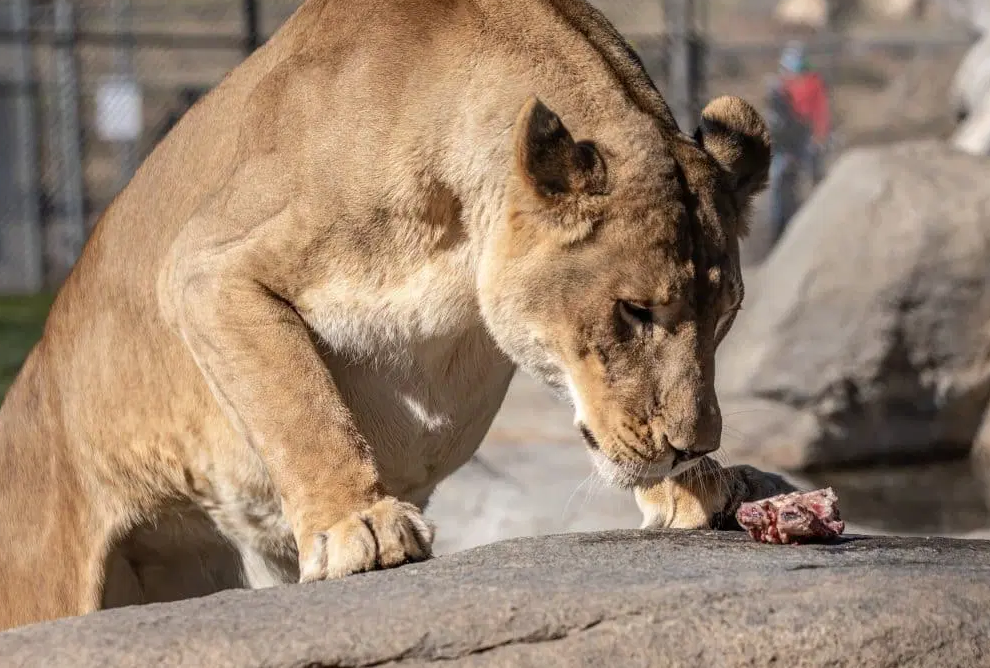
An adult mountain lion typically eats around 20 to 30 pounds of meat during a large feeding session. However, they do not necessarily hunt every day. After making a large kill, a mountain lion may feed on the carcass for several days before hunting again.
The amount of food needed depends on the lion’s age, size, activity level, and environment. Nursing females and growing juveniles require additional nutrition to support development and energy needs.
Mountain lions are efficient predators that try to avoid wasting energy. Hunting large prey can be dangerous and physically demanding, so they prefer to maximize the value of each successful kill.
What Do Baby Mountain Lions Eat?
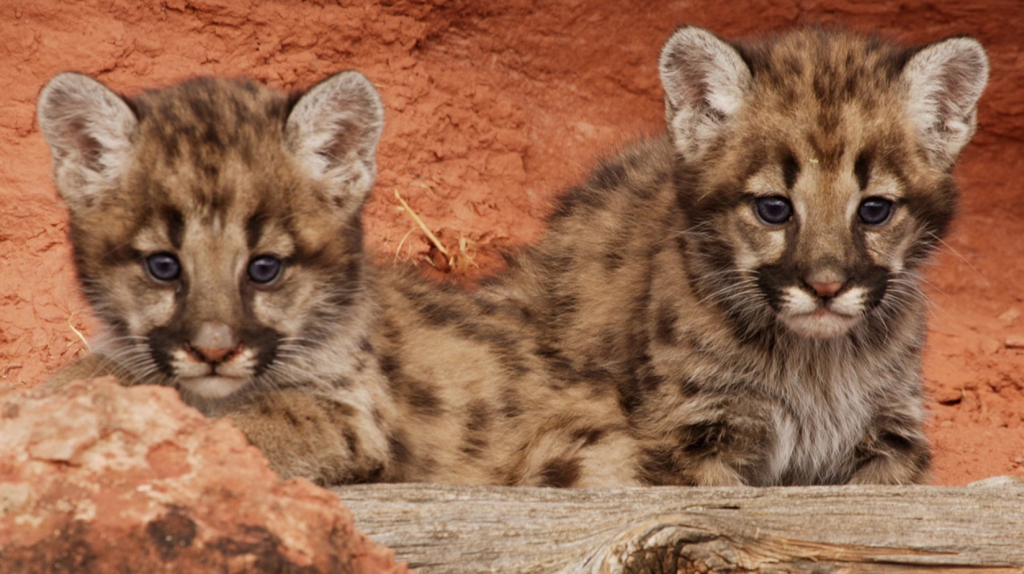
Baby mountain lions, called kittens, rely entirely on their mother’s milk during the first weeks of life. The milk contains essential nutrients and fats needed for rapid growth and development.
As kittens grow older, their mother gradually introduces meat into their diet. She may bring small prey back to the den or allow the kittens to feed from larger kills. This helps them learn feeding behavior and hunting skills.
Young mountain lions remain with their mother for up to two years. During this time, they observe and practice hunting techniques before eventually becoming independent predators capable of finding food on their own.
Seasonal Changes in Mountain Lion Diets
Mountain lion diets can change depending on the season and prey availability. During winter, deer may become easier to hunt because snow limits their movement. This often increases the importance of large prey in the mountain lion diet.
In warmer months, mountain lions may eat more small mammals, birds, and younger deer. Seasonal migrations of prey animals can also influence where mountain lions travel and hunt.
Environmental conditions such as drought or habitat changes may reduce prey populations. Mountain lions are highly adaptable and may shift their diet to survive during difficult conditions.
Do Mountain Lions Hunt Livestock?
Mountain lions sometimes attack livestock when natural prey is unavailable or when domestic animals are easier targets. Sheep, goats, and calves are among the most common livestock affected by mountain lion attacks.
These incidents often occur near areas where human development overlaps with mountain lion habitats. Habitat loss and declining wild prey populations can increase the likelihood of livestock predation.
Farmers and wildlife agencies use various methods to reduce conflicts, including fencing, guard animals, and monitoring mountain lion activity. Conservation efforts focus on balancing wildlife protection with agricultural needs.
Mountain Lions and Ecosystem Balance
Mountain lions play an important role in maintaining healthy ecosystems. As apex predators, they help regulate populations of deer and other herbivores. This prevents overgrazing and supports healthier plant communities.
By controlling prey populations, mountain lions indirectly benefit many other species within the ecosystem. Balanced predator-prey relationships contribute to biodiversity and ecological stability.
Without predators like mountain lions, ecosystems can become unbalanced. Overpopulation of herbivores may damage forests, grasslands, and water sources. Protecting mountain lions helps preserve natural ecosystems.
Threats to Mountain Lion Food Sources
Habitat destruction is one of the biggest threats to mountain lion prey populations. Urban development, roads, and agriculture reduce natural habitats for deer and other prey animals.
Climate change can also affect food availability. Droughts, wildfires, and changing weather patterns influence prey migration and survival rates, which may force mountain lions to travel farther for food.
Overhunting of deer and other wildlife by humans can reduce prey numbers in some regions. Conservation programs aimed at protecting habitats and wildlife populations are important for supporting healthy mountain lion ecosystems.
Fascinating Facts About Mountain Lion Feeding Habits
Mountain lions are capable of dragging prey much heavier than themselves over long distances. This behavior helps them hide food from scavengers such as bears, wolves, and coyotes.
Unlike lions in Africa, mountain lions usually eat alone. Their solitary lifestyle reduces competition for food and allows them to hunt quietly across large territories.
Mountain lions may return to the same kill several times over multiple days. They often rest nearby while protecting the carcass from other predators and scavengers.
Do Mountain Lions Ever Scavenge?
Although mountain lions are excellent hunters, they sometimes scavenge dead animals when the opportunity arises. Feeding on carcasses allows them to conserve energy that would otherwise be spent hunting.
Scavenging behavior is more likely during harsh winters or periods of food scarcity. Mountain lions may feed on roadkill or animals already killed by other predators.
However, mountain lions generally prefer fresh prey and are more active hunters than scavengers. Their powerful hunting abilities make them highly successful predators in most environments.
Common Myths About Mountain Lion Diets
One common myth is that mountain lions frequently hunt humans. In reality, attacks on humans are extremely rare. Mountain lions usually avoid people and prefer natural prey such as deer.
Another misconception is that mountain lions only eat large animals. While deer are their preferred prey, mountain lions eat many smaller animals depending on availability and environmental conditions.
Some people also believe mountain lions kill more prey than necessary. In truth, mountain lions are efficient predators that rely on successful kills for survival and often return to feed on the same carcass for several days.
Conclusion
Mountain lions are fascinating and highly adaptable predators with diets centered mainly around deer and other mammals. Their powerful hunting skills, stealth, and flexibility allow them to survive across forests, deserts, mountains, and grasslands throughout the Americas.
From small rodents and birds to large elk and deer, mountain lions consume a wide variety of prey depending on their habitat and food availability. Their role as apex predators is essential for maintaining healthy ecosystems and balanced wildlife populations.
Understanding what mountain lions eat helps people appreciate the importance of these incredible big cats in nature. As habitat loss and environmental changes continue to affect wildlife populations, protecting mountain lions and their prey remains important for preserving healthy ecosystems for future generations.