What Do Squids Eat? Discover the Secrets of Squid Nutrition

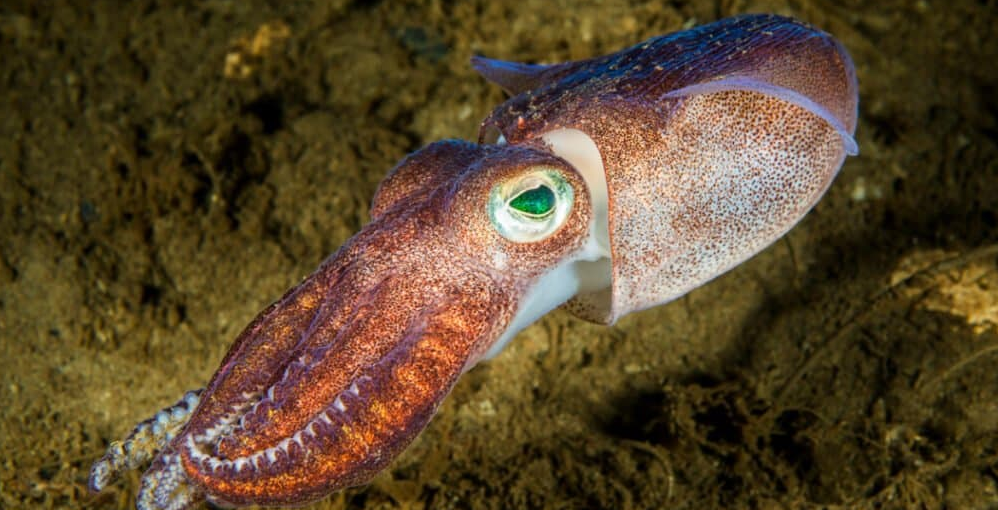
Squids are fascinating marine animals that live in oceans all around the world. Known for their long tentacles, powerful jet propulsion, and incredible intelligence, squids are among the most successful predators in the ocean. These soft-bodied cephalopods come in many different sizes, from tiny species only a few inches long to giant squids that can grow larger than a bus. One of the most interesting questions about these mysterious sea creatures is: what do squids eat?
Squids are carnivorous animals, meaning they survive by eating other marine creatures. Their diets mainly consist of fish, crustaceans, and smaller squids, but the exact food they eat depends on their species, size, and habitat. Some squids hunt near the ocean surface, while others live in deep-sea environments where food sources are very different. Their adaptable feeding habits help them survive in many ocean ecosystems.
In this complete guide, we will explore the secrets of squid nutrition and feeding behavior. You will learn what squids eat in the wild, how they hunt prey, how much they eat, and how their diets change throughout their lives. We will also discuss giant squid diets, baby squid feeding habits, and the important role squids play in marine food chains.
What Is the Main Diet of Squids?
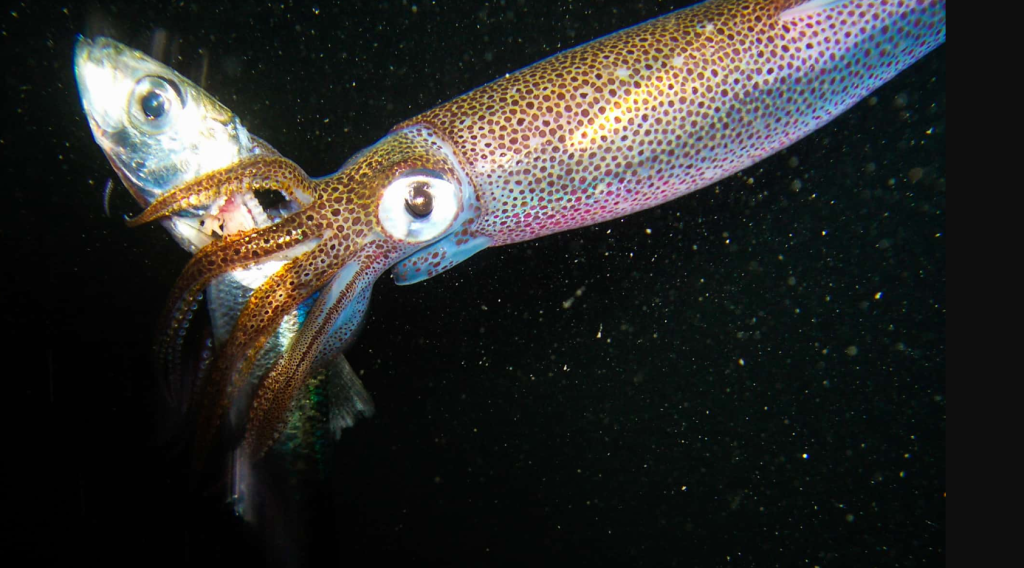
The primary diet of squids consists of fish and crustaceans. Small fish such as sardines, anchovies, and herring are common prey because they are abundant and rich in nutrients. Squids also eat shrimp, crabs, krill, and other small marine animals found throughout the ocean.
Many squid species are opportunistic predators, meaning they eat whatever prey is available in their environment. Some squids hunt smaller squids or even members of their own species when food becomes scarce. Cannibalism is surprisingly common among squids, especially in crowded or competitive environments.
The diet of a squid depends greatly on its size and habitat. Small squids usually target tiny prey like plankton and shrimp, while larger species can hunt fish, crabs, and even other cephalopods. Their adaptable feeding behavior helps them survive in both shallow coastal waters and deep ocean regions.
Why Squids Need a High-Protein Diet
Squids are highly active predators that require large amounts of energy. Their fast swimming abilities and constant movement demand a diet rich in protein and nutrients. Fish and crustaceans provide the essential amino acids and fats needed to support muscle function and rapid movement.
Unlike many slower-moving marine animals, squids rely on speed and agility for survival. Their bodies are designed for quick bursts of motion using jet propulsion. This active lifestyle increases their metabolic rate, meaning they need frequent feeding to maintain energy levels.
Protein-rich diets also support growth and reproduction. Many squid species grow extremely quickly and have relatively short lifespans. To develop rapidly and reproduce successfully, squids must consume nutrient-dense prey throughout their lives.
How Squids Hunt Their Prey
Squids are skilled hunters that use speed, camouflage, and intelligence to catch prey. They have eight arms and two longer tentacles equipped with suction cups that help grab and hold slippery prey animals. Once prey is captured, the squid pulls it toward its sharp beak.
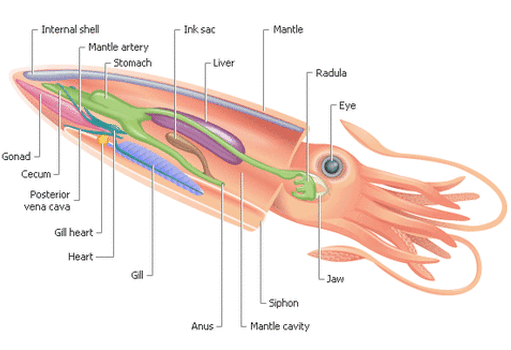
Their beak functions similarly to a parrot’s beak and is powerful enough to tear flesh into smaller pieces. Squids also use a specialized tongue-like structure called a radula to help process food before swallowing it.
Many squids rely on stealth while hunting. They can rapidly change color using special skin cells called chromatophores, allowing them to blend into their surroundings or confuse prey. Some species also use bioluminescence to attract or distract prey in deep ocean environments.
What Fish Do Squids Eat?
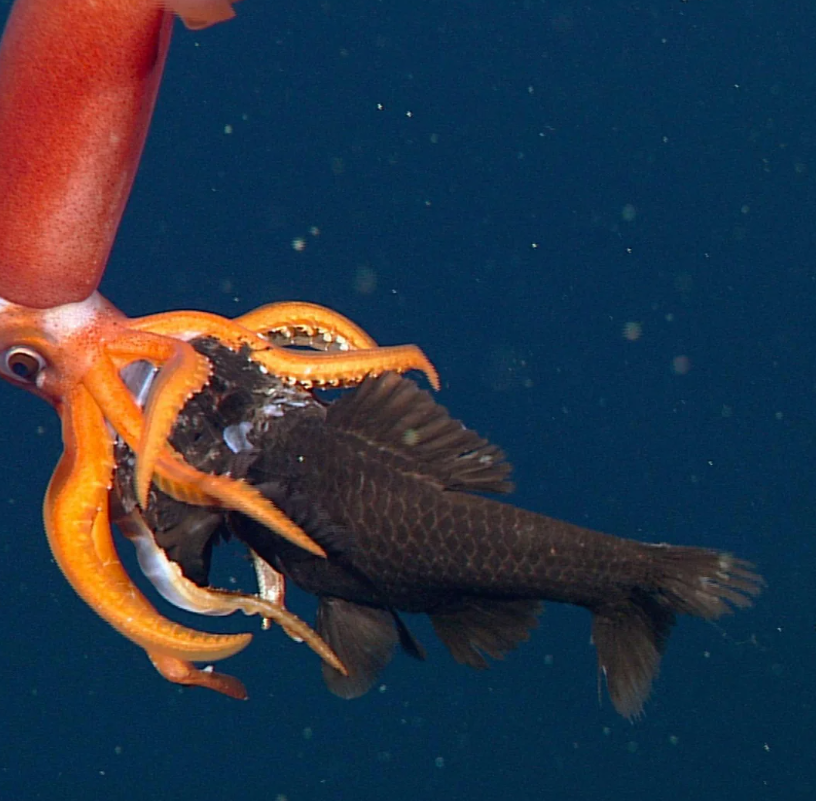
Fish are among the most important food sources for many squid species. Small schooling fish such as sardines, anchovies, and mackerel are commonly hunted because they are abundant in ocean waters and relatively easy to catch.
Larger squid species may hunt bigger fish depending on their size and habitat. Deep-sea squids sometimes prey on lanternfish and other fish that migrate vertically through the ocean at night. Coastal squid species often target fish living near reefs and shallow waters.
Squids are highly efficient predators that can quickly ambush fish using rapid tentacle strikes. Their large eyes provide excellent vision, helping them detect movement even in low-light conditions underwater.
Do Squids Eat Crustaceans?
Crustaceans are another major part of the squid diet. Shrimp, krill, crabs, and small lobsters are commonly eaten by squids in many marine habitats. These prey animals are rich in protein and minerals that support squid growth and health.
Young squids often rely heavily on tiny crustaceans because they are easier to capture than fish. As squids grow larger and stronger, they gradually shift toward hunting larger prey animals.
Some squid species specialize in feeding on crustaceans found near the seafloor. Others hunt shrimp and krill in open ocean waters. Their ability to adapt to different prey sources allows squids to thrive in diverse marine ecosystems.
Do Squids Eat Other Squids?
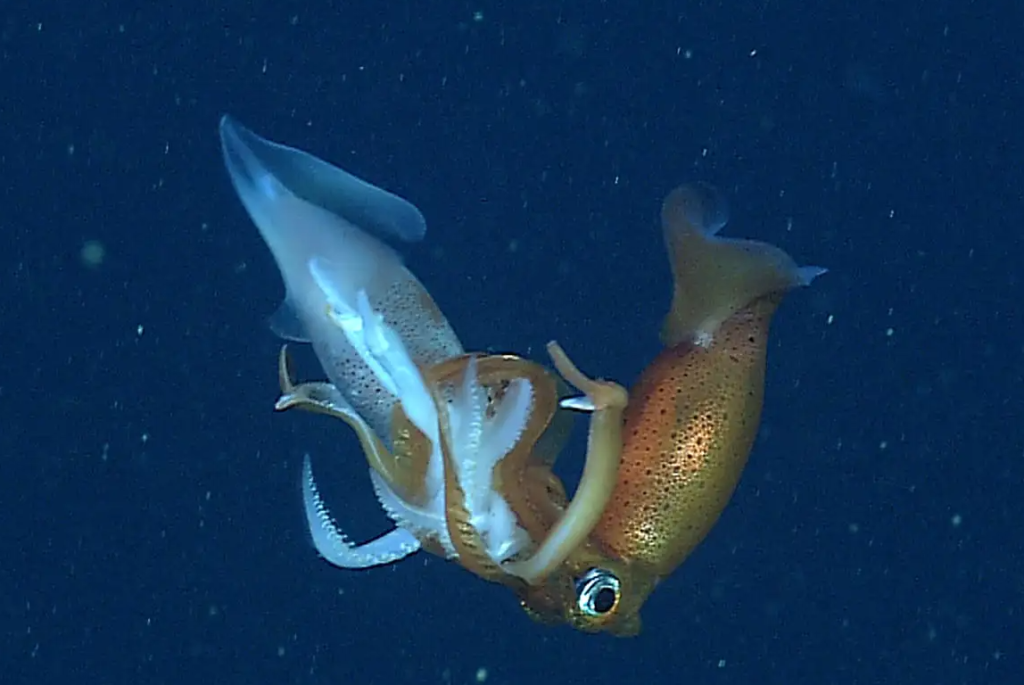
Cannibalism is surprisingly common among squids. Larger squids may attack and consume smaller squids, especially when food is limited or competition is high. This behavior provides an additional food source and reduces competition for resources.
Cannibalism can occur in both wild and captive squid populations. Scientists believe this behavior is partly related to the aggressive feeding instincts of squids and their opportunistic nature as predators.
Even juvenile squids may eat smaller individuals if the opportunity arises. Although it may seem harsh, cannibalism is a natural survival strategy that helps many squid species endure challenging ocean conditions.
How Much Food Do Squids Eat?
The amount of food a squid eats depends on its size, species, and activity level. Squids are active animals with fast metabolisms, meaning they often need to feed regularly to maintain energy.
Smaller squid species may eat several times per day, while larger squids consume larger meals less frequently. Growth stages also affect feeding needs, with young squids typically requiring more frequent meals to support rapid development.
Environmental factors such as water temperature and prey availability can influence feeding behavior. In nutrient-rich waters, squids may feed aggressively, while food shortages can reduce activity and growth rates.
What Do Baby Squids Eat?
Baby squids, often called paralarvae, begin life feeding on tiny plankton and microscopic marine organisms. These small prey items provide the nutrients needed during the earliest stages of growth.
As baby squids develop, they gradually begin hunting larger prey such as shrimp larvae and small fish. Their hunting abilities improve quickly as they grow stronger and gain better control over their tentacles.
Rapid growth is essential for survival because young squids are vulnerable to predators. A steady food supply helps them reach larger sizes more quickly, improving their chances of survival in the ocean.
What Do Giant Squids Eat?
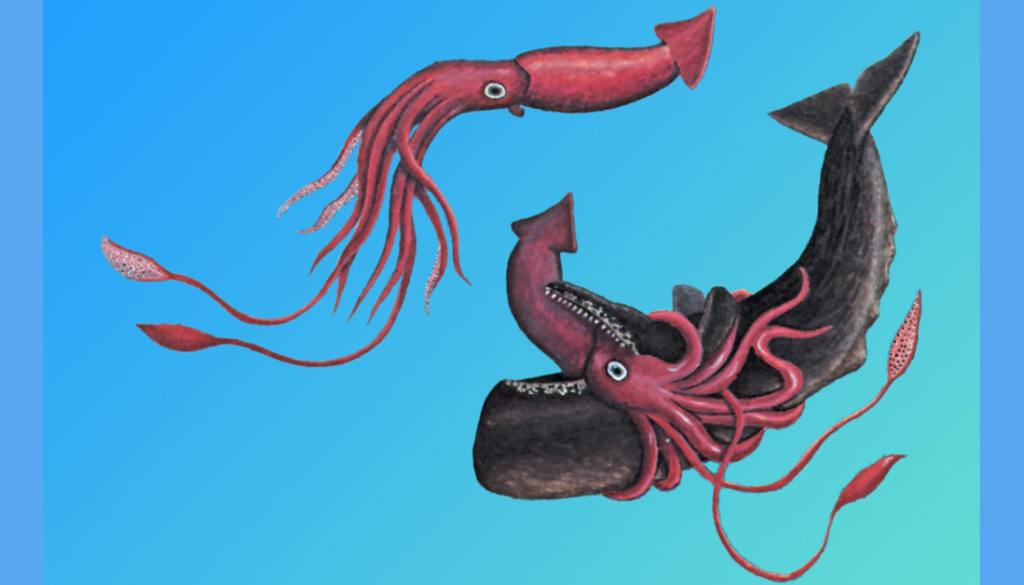
Giant squids are among the largest invertebrates on Earth and live deep within the ocean. Their diet mainly consists of deep-sea fish and other squid species. Scientists believe giant squids often hunt fish such as lanternfish and hake.
These massive squids use their long tentacles to capture prey in dark ocean environments. Their enormous eyes, some of the largest in the animal kingdom, help detect movement in extremely low-light conditions.
Because giant squids live in deep waters, studying their feeding behavior is difficult. Much of what scientists know comes from examining stomach contents and observing injuries on sperm whales, which are major predators of giant squids.
How Squids Digest Food
Squids use their sharp beaks to break prey into manageable pieces before swallowing. Their radula helps grind food further as it moves through the digestive system.
Unlike mammals, squids digest food relatively quickly due to their high metabolism. Nutrients are absorbed efficiently to support rapid movement, growth, and reproduction.
Undigested material is expelled as waste after nutrients are extracted. Efficient digestion is important because squids require frequent feeding to maintain their active lifestyles.
Seasonal Changes in Squid Diets
Squid diets often change depending on the season and prey availability. In some regions, fish migrations create periods of abundant food that attract large numbers of squids.
Warmer water temperatures may increase prey populations, leading to more active feeding behavior. During colder seasons or periods of food scarcity, squids may shift to alternative prey sources or reduce activity.
Some squid species migrate seasonally in search of food and breeding grounds. These movements help them take advantage of changing ocean conditions and prey distributions.
The Role of Squids in Marine Ecosystems
Squids play a vital role in marine food chains. As predators, they help control populations of fish, crustaceans, and smaller marine animals.
At the same time, squids are important prey for many larger ocean animals. Whales, sharks, dolphins, seals, seabirds, and large fish all rely on squids as a food source. This makes squids a critical connection within marine ecosystems.
Healthy squid populations support biodiversity and ocean stability. Changes in squid populations can significantly affect marine food webs and the animals that depend on them.
Threats to Squid Food Sources
Overfishing is one of the biggest threats to squid prey populations. Commercial fishing reduces fish and crustacean numbers, potentially affecting squid survival and growth.
Pollution also harms marine ecosystems and may contaminate squid prey. Plastic waste, oil spills, and chemical pollutants damage ocean habitats and disrupt food chains.
Climate change is another growing concern. Rising ocean temperatures and changing currents may alter prey distribution and affect squid feeding behavior. Some squid populations may shift to different regions as ocean conditions change.
Fascinating Facts About Squid Feeding Habits
Some squids can shoot ink into the water while escaping predators or hunting prey. The ink cloud creates confusion and provides time to escape danger.
Squids have highly developed nervous systems and are considered among the most intelligent invertebrates. Their advanced problem-solving abilities may help them adapt hunting strategies to different situations.
Certain deep-sea squid species use glowing bioluminescent organs to attract prey or communicate. These glowing adaptations are especially useful in dark ocean environments where visibility is limited.
Conclusion
Squids are fascinating marine predators with highly adaptable diets and remarkable hunting abilities. Their main foods include fish, crustaceans, shrimp, and even other squids, depending on their species and habitat.
From tiny baby squids feeding on plankton to giant squids hunting deep-sea fish, these cephalopods rely on nutrient-rich diets to support rapid growth and active lifestyles. Their speed, intelligence, camouflage, and specialized feeding structures make them some of the most successful hunters in the ocean.
Understanding what squids eat provides valuable insight into marine ecosystems and the complex relationships within ocean food chains. As environmental challenges such as overfishing, pollution, and climate change continue to affect marine life, protecting healthy squid populations remains important for maintaining balanced and thriving oceans.