What Do Groundhogs Eat? Favorite Foods and Feeding Habits Revealed

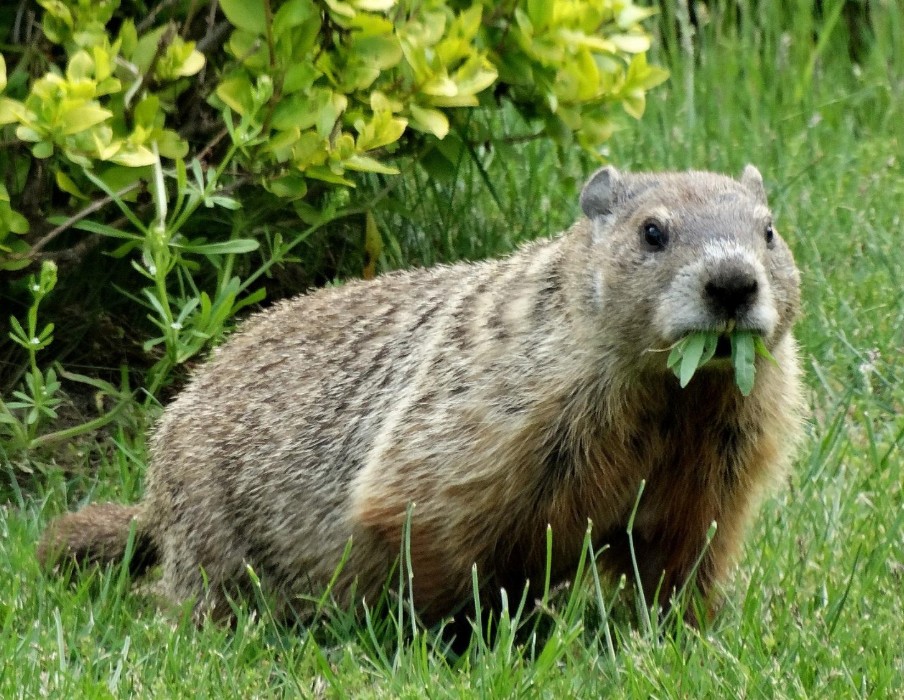
What Do Groundhogs Eat? It’s a question many people ask after spotting one of these chunky, curious animals nibbling in a garden or field. Known for their burrowing behavior and famous role in weather folklore, groundhogs are much more than just seasonal celebrities—they’re skilled foragers with a surprisingly diverse diet.
The Groundhog, also called a woodchuck, is a large rodent native to North America. While they may look slow and relaxed, groundhogs spend a significant portion of their day searching for food. Their eating habits are closely tied to survival, especially since they must build up fat reserves to survive long periods of hibernation.
In this comprehensive guide, we’ll explore everything you need to know about what groundhogs eat, including their favorite foods, seasonal diet changes, feeding behavior, and how they interact with gardens and ecosystems.
What Do Groundhogs Eat? (Quick Overview)
Groundhogs are primarily herbivores, meaning their diet consists mostly of plant-based foods. However, they can occasionally eat insects or other small sources of protein when available.
Main foods include:
- Grasses
- Leaves and plants
- Fruits and vegetables
- Bark and twigs
- Flowers
- Occasionally insects
Their diet is highly flexible, allowing them to adapt to different environments and seasons.
Grasses and Greens: The Foundation of Their Diet
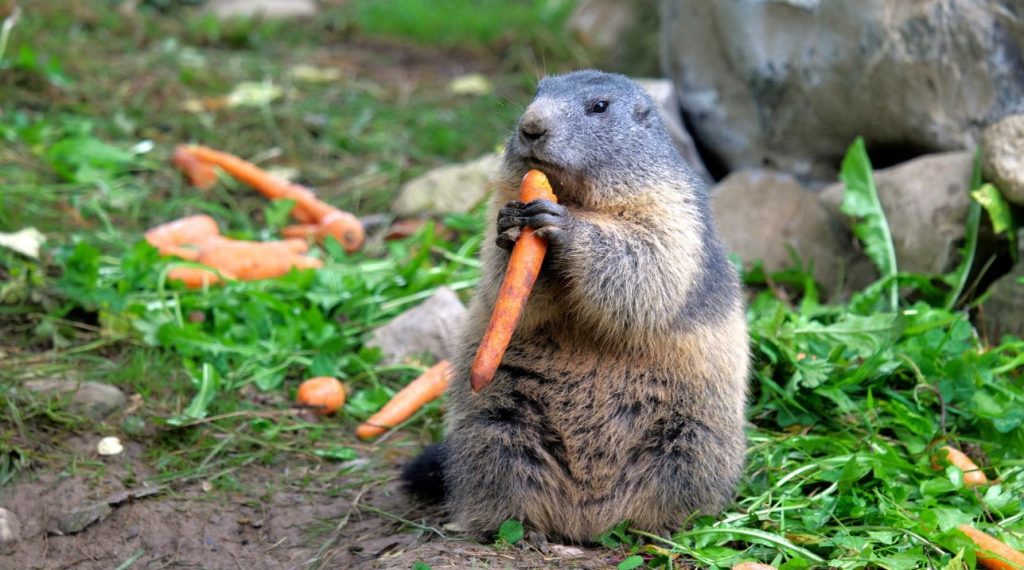
Grasses and leafy vegetation make up the bulk of a groundhog’s daily meals. These foods are abundant, easy to digest, and provide the nutrients needed for growth and energy. Groundhogs are often seen grazing in open fields, where they can feed while staying alert for predators.
They particularly enjoy tender shoots and young plants, which are easier to chew and richer in nutrients. This preference often leads them to areas with fresh growth, such as meadows, roadsides, and gardens. Their strong teeth allow them to clip vegetation efficiently, much like a small grazing animal.
Because grasses are so widely available, they form a reliable food source throughout much of the year. This consistency helps groundhogs maintain their energy levels, especially during the active months when they are constantly foraging.
Garden Vegetables and Crops
Groundhogs are notorious among gardeners for their love of cultivated plants. They are especially attracted to vegetable gardens, where food is plentiful and easy to access. Unfortunately, this often puts them at odds with humans.
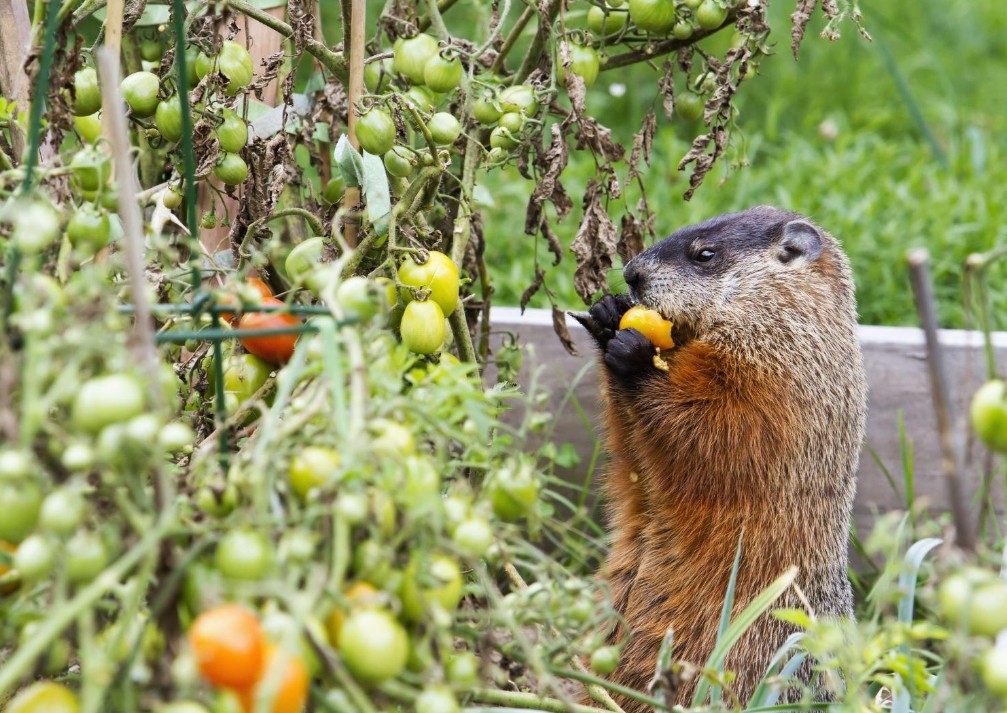
Some of their favorite garden foods include:
- Lettuce
- Carrots
- Beans
- Peas
- Tomatoes
These vegetables are soft, nutritious, and easy to eat, making them irresistible to a hungry groundhog. A single groundhog can cause noticeable damage in a short amount of time.
Despite the frustration they may cause, their attraction to gardens is simply a result of survival instincts. Gardens provide concentrated sources of food, allowing groundhogs to feed quickly and efficiently.
Fruits and Berries
Fruits and berries are another important part of a groundhog’s diet, especially during the warmer months. These foods provide natural sugars that offer quick energy, which is essential for active foraging and movement.
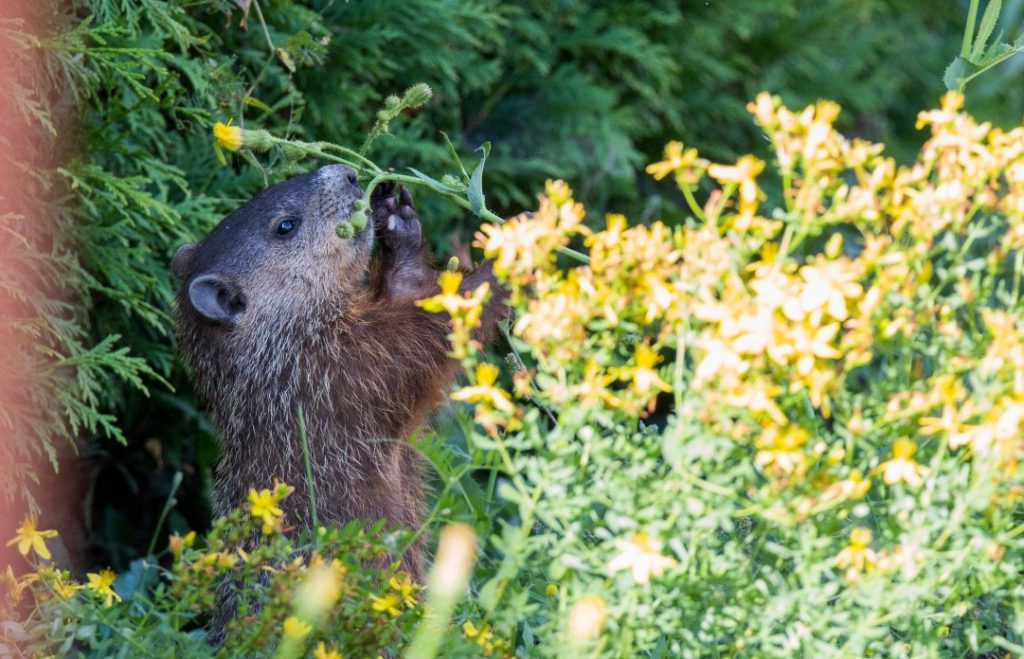
Groundhogs may eat:
- Wild berries
- Apples
- Pears
- Other fallen fruits
They typically consume fruit that has fallen to the ground, making it easy to access. This behavior also helps reduce waste in natural ecosystems.
While fruits are not their primary food source, they play an important role in providing variety and additional nutrients in the diet.
Bark, Twigs, and Tree Materials
During times when fresh vegetation is scarce, groundhogs may turn to tougher plant materials such as bark and twigs. This is especially common in early spring or late fall.
Their strong, ever-growing teeth allow them to:
- Gnaw on woody materials
- Strip bark from trees
- Chew small branches
While these foods are not as nutritious as fresh plants, they help groundhogs survive when other options are limited.
This adaptability is one of the reasons groundhogs can thrive in a variety of environments.
Do Groundhogs Eat Insects or Meat?
Although groundhogs are primarily herbivores, they are technically opportunistic feeders. This means they may occasionally consume small amounts of animal-based food.
Examples include:
- Insects
- Larvae
- Snails
These items provide additional protein, which can be beneficial during certain times of the year. However, they make up only a small portion of the overall diet.
Most of the time, groundhogs prefer plant-based foods, as these are easier to find and align with their digestive system.
Seasonal Diet Changes
Groundhog diets change significantly throughout the year.
🌸 Spring:
Groundhogs emerge from hibernation and begin feeding on fresh grasses and plants. Their main goal is to regain weight lost during winter.
☀️ Summer:
Food is abundant, and groundhogs eat a wide variety of plants, fruits, and garden crops. This is a period of rapid weight gain.
🍂 Fall:
They consume large amounts of food to build fat reserves for hibernation. High-calorie foods like fruits become especially important.
❄️ Winter:
Groundhogs hibernate and do not eat. They survive entirely on stored body fat.
These seasonal changes are critical for survival and reflect their natural life cycle.
Feeding Habits and Behavior
Groundhogs are diurnal, meaning they are most active during the day. They typically feed in the early morning and late afternoon.
Their feeding habits include:
- Staying close to their burrow
- Eating quickly and returning to safety
- Remaining alert for predators
They rarely travel far from their home, which is why they often concentrate feeding in a specific area.
Groundhogs also have excellent memory and may return to the same feeding spots repeatedly.
How Much Do Groundhogs Eat?
Groundhogs need to consume a significant amount of food to maintain their body weight and prepare for hibernation.
They can eat:
- Large quantities of vegetation daily
- Enough food to gain noticeable weight in summer
This constant feeding is necessary because they must store fat for months of inactivity during winter.
Their ability to eat and store energy efficiently is key to their survival.
Where Do Groundhogs Find Food?
Groundhogs are highly adaptable and can find food in a variety of environments.
Common feeding areas include:
- Fields and meadows
- Forest edges
- Gardens and farms
- Roadside vegetation
They prefer areas with abundant plant growth and easy access to shelter.
Their burrows are usually located near reliable food sources, reducing the need to travel far.
Are Groundhogs Good or Bad for Gardens?
Groundhogs can be both beneficial and problematic.
Benefits:
- Help control certain plant overgrowth
- Contribute to soil aeration through burrowing
Problems:
- Damage crops and vegetables
- Eat large portions of garden plants
Their impact depends on perspective—while they play a role in ecosystems, they can be frustrating for gardeners.
Tips to Keep Groundhogs Away from Your Garden
If groundhogs are causing problems, there are humane ways to deter them.
Effective methods:
- Install fencing
- Remove food sources
- Use natural repellents
- Block burrow entrances (when inactive)
These strategies help protect gardens without harming the animals.
Fun Facts About Groundhog Diets
- Groundhogs can climb trees to reach food
- They sometimes stand upright to scan for danger
- Their teeth never stop growing
- They can eat a pound of vegetation in one sitting
These traits make them efficient and adaptable feeders.
FAQs
What is a groundhog’s favorite food?
They love grasses, leafy plants, and garden vegetables like lettuce and carrots.
Do groundhogs eat fruit?
Yes, especially berries and fallen fruit.
Are groundhogs carnivores?
No, they are primarily herbivores with occasional omnivorous behavior.
How often do groundhogs eat?
They feed daily during active months and not at all during hibernation.
Do groundhogs eat at night?
No, they are active during the day.
Conclusion
So, What Do Groundhogs Eat?
Their diet is mostly made up of grasses, plants, fruits, and vegetables, with occasional insects. Their feeding habits are shaped by the seasons, their environment, and the need to prepare for hibernation.
Groundhogs are resourceful and adaptable eaters, capable of thriving in both wild and human-altered landscapes. Whether you see them as charming wildlife or garden pests, there’s no denying that their diet plays an important role in their survival—and in the ecosystems they inhabit.