What Do Grizzly Bears Eat? The Ultimate Guide to Their Powerful and Varied Diet

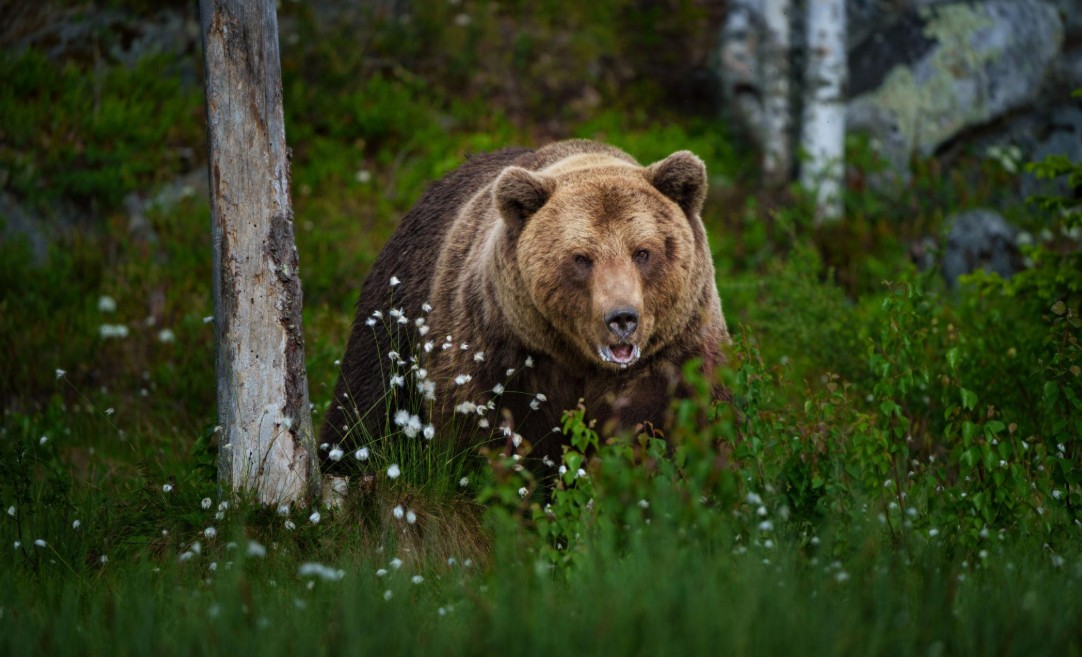
Few animals symbolize the wild quite like the Grizzly Bear. Massive, powerful, and intelligent, these iconic predators roam forests, mountains, and river valleys across North America. But despite their fearsome reputation, one of the most fascinating things about grizzlies isn’t just their strength—it’s their incredibly diverse diet.
So, what do grizzly bears eat?
The answer might surprise you. While many people imagine grizzlies as strictly meat-eaters, they are actually opportunistic omnivores that consume a wide variety of foods depending on the season, habitat, and availability. From fish and mammals to berries and roots, their diet is both flexible and essential for survival.
In this comprehensive guide, we’ll explore everything you need to know about what grizzly bears eat, including their favorite foods, seasonal feeding patterns, hunting strategies, and their role in the ecosystem.
What Do Grizzly Bears Eat? (Quick Overview)
Grizzly bears are omnivores, meaning they eat both plant and animal matter.
Their diet typically includes:
- Fish (especially salmon)
- Large mammals (elk, moose, deer)
- Small animals (rodents, ground squirrels)
- Berries and fruits
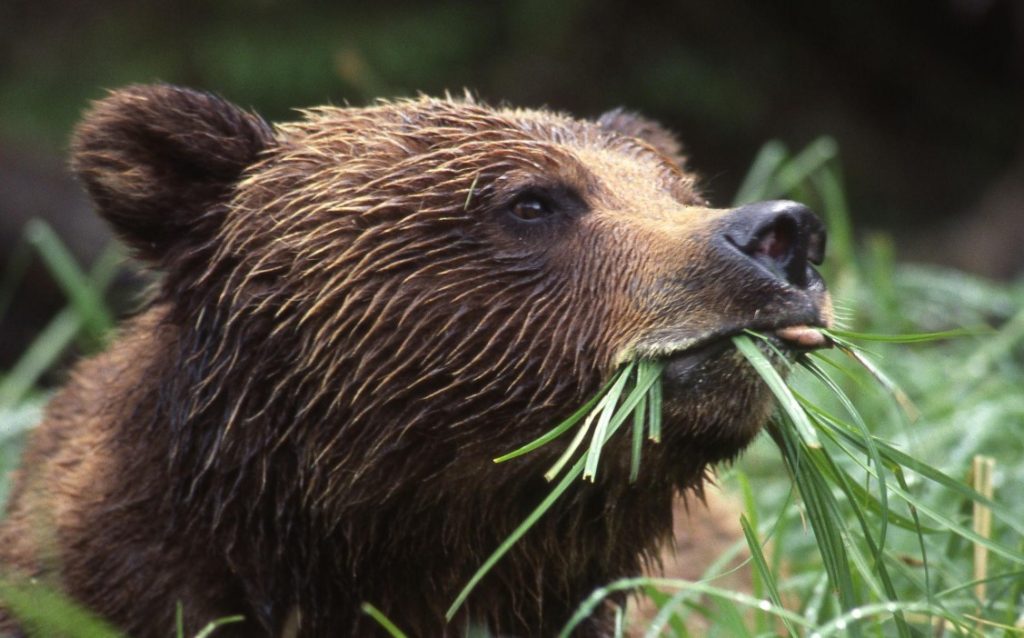
- Roots, grasses, and plants
- Insects
Interestingly, up to 70–90% of a grizzly’s diet can be plant-based, depending on the region and time of year.
Fish: A High-Protein Favorite
Salmon – The Ultimate Energy Source
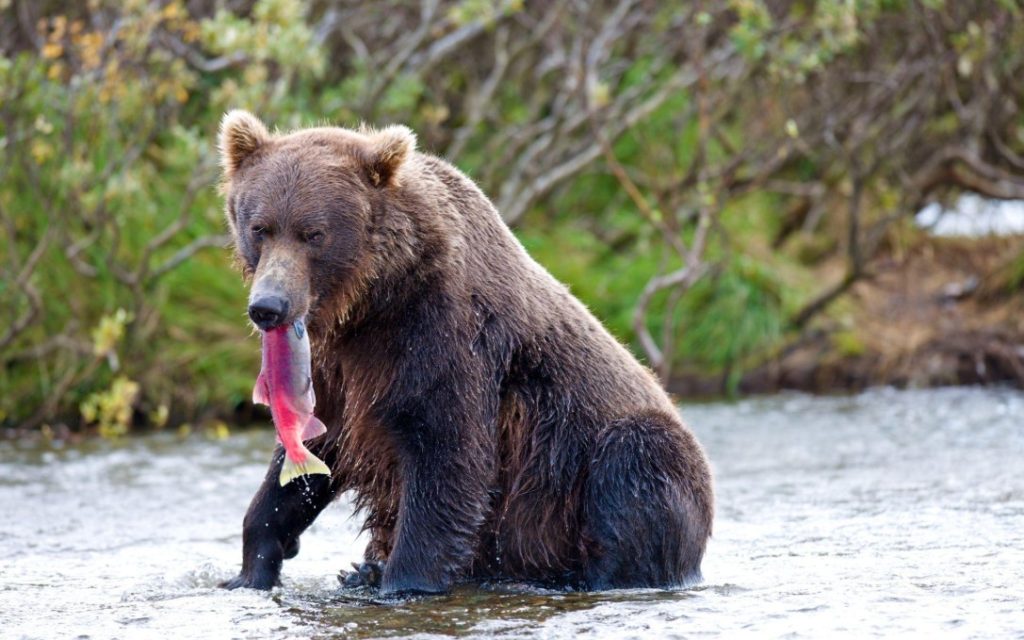
One of the most famous feeding behaviors of grizzly bears is catching salmon during spawning season.
Grizzlies often:
- Stand in rivers waiting for fish
- Swipe salmon out of the water
- Eat only the most nutrient-rich parts (like skin and brains)
Salmon are packed with fat and protein, helping bears build the reserves they need for hibernation.
Mammals: When Grizzlies Turn into Predators
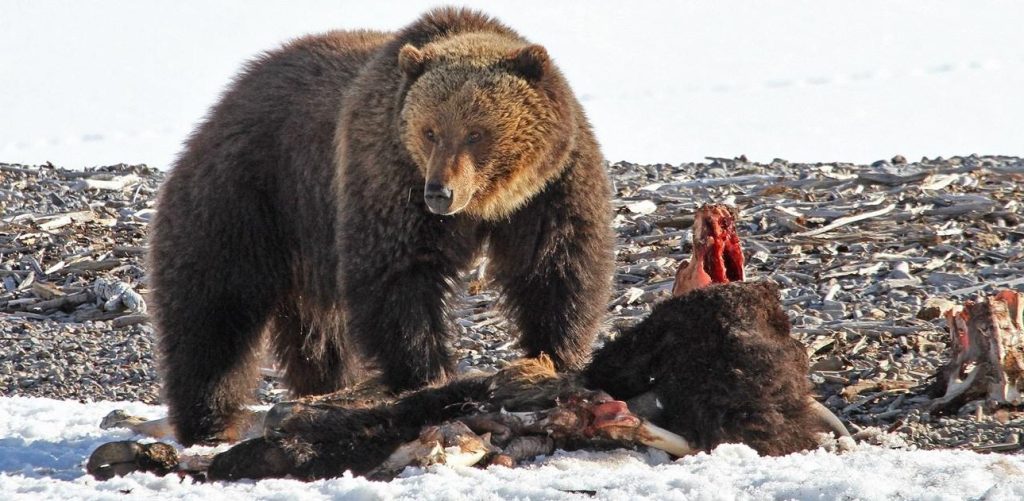
Although not always active hunters, grizzly bears are capable of taking down large prey.
Common prey includes:
- Elk
- Moose (especially calves)
- Deer
They may also:
- Scavenge carcasses
- Steal kills from other predators
This behavior makes them both hunters and opportunistic feeders.
Small Animals and Insects
Grizzly bears frequently consume smaller prey, such as:
- Ground squirrels
- Mice and voles
- Insects (ants, beetles, larvae)
They use their powerful claws to:
- Dig into burrows
- Tear apart logs
- Flip rocks to find hidden food
These smaller meals are important, especially when larger prey is scarce.
Plants, Berries, and Roots
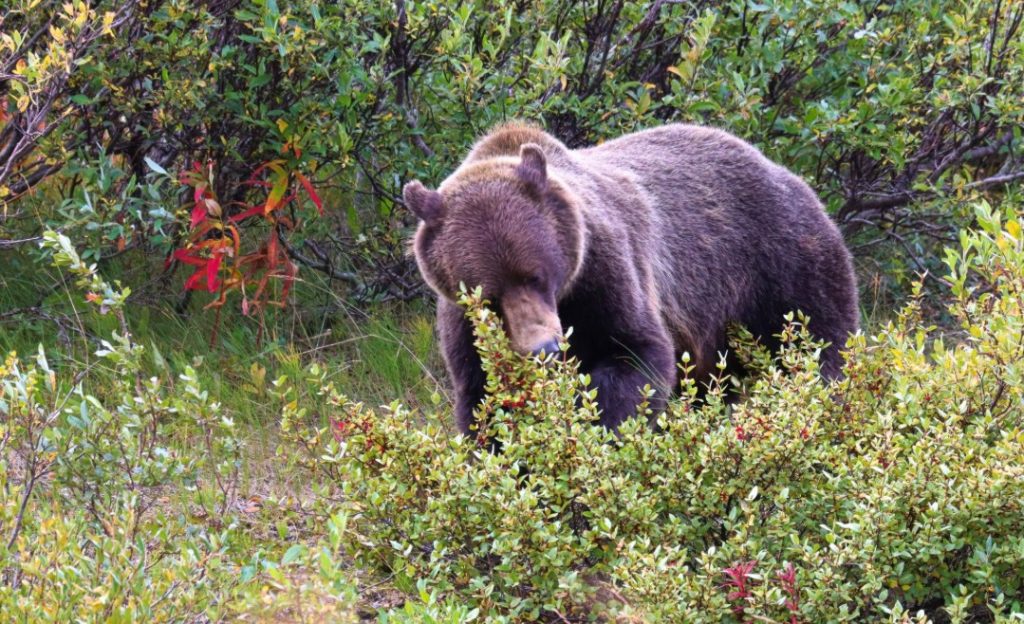
Despite their size, plants make up a huge portion of a grizzly’s diet.
Common plant foods:
- Blueberries
- Huckleberries
- Grasses
- Roots and tubers
Berries are especially important in late summer, when bears need to gain weight quickly before winter.
Seasonal Diet Changes
Grizzly bears adjust their diet throughout the year to match food availability.
🌸 Spring
- Emerging plants
- Roots and grasses
- Carcasses from winter
After hibernation, bears need to rebuild energy.
☀️ Summer
- Insects and small mammals
- Fish (in some regions)
- Early berries
Food becomes more abundant, and bears eat constantly.
🍂 Fall (Hyperphagia)
- Large amounts of berries
- Salmon runs
- High-calorie foods
During this period, bears may eat up to 20,000 calories per day to prepare for hibernation.
❄️ Winter
- Bears hibernate and do not eat
- Survive on stored body fat
Hunting and Feeding Behavior
Grizzly bears are incredibly adaptable when it comes to finding food.
Key behaviors:
- Foraging: Searching for plants and insects
- Fishing: Catching salmon in rivers
- Hunting: Targeting vulnerable prey
- Scavenging: Feeding on carcasses
Their intelligence allows them to switch strategies quickly depending on the situation.
How Much Do Grizzly Bears Eat?
Grizzlies need enormous amounts of food to sustain their size.
- Up to 90 pounds (40 kg) of food per day in peak season
- Caloric intake can reach 20,000 calories daily
This intense feeding is necessary to build fat reserves for winter hibernation.
Do Grizzly Bears Eat Humans?
This is a common question—and the answer is reassuring.
The truth:
- Grizzly bears do not typically hunt humans
- Most encounters are defensive, not predatory
Attacks are rare and usually occur when:
- Bears feel threatened
- Cubs are nearby
- Food sources are being protected
Where Do Grizzly Bears Find Food?
Grizzly bears live in diverse habitats, including:
- Forests
- Mountains
- River valleys
- Coastal regions
Their location greatly influences their diet:
- Coastal bears eat more fish
- Inland bears rely more on plants and mammals
Why Their Diet Matters to the Ecosystem
Grizzly bears play a crucial ecological role.
They help by:
- Spreading seeds through berry consumption
- Controlling prey populations
- Recycling nutrients (especially from salmon)
For example, when bears drag salmon into forests, they bring marine nutrients into land ecosystems.
Differences Between Grizzly Bears and Black Bears
Both species are omnivores, but their diets can differ slightly.
Grizzly Bears:
- More likely to hunt large animals
- Stronger and more aggressive feeders
Black Bears:
- More plant-based diet
- Less likely to hunt large prey
Fun Facts About Grizzly Bear Diets
- They can smell food from miles away
- They sometimes eat only the fattiest parts of prey
- Berries can make up the majority of their fall diet
- They are one of the most adaptable eaters in the wild
FAQs
What is a grizzly bear’s favorite food?
Salmon is often considered their favorite due to its high fat content.
Are grizzly bears carnivores or herbivores?
They are omnivores, eating both plants and animals.
Do grizzly bears eat every day?
Yes—except during hibernation, when they survive on stored fat.
How do grizzly bears catch fish?
They use their paws and timing to snatch fish from rivers.
Why do grizzly bears eat so much before winter?
To build fat reserves needed for survival during hibernation.
Conclusion
So, what do grizzly bears eat?
They eat just about everything—from salmon and mammals to berries and insects. Their ability to adapt their diet based on the season and environment is a key reason they’ve survived for thousands of years.
Far from being just fearsome predators, grizzly bears are intelligent, resourceful omnivores that play a vital role in maintaining the balance of their ecosystems.
The next time you think of a grizzly bear, remember—it’s not just a hunter, but a master of survival with one of the most diverse diets in the animal kingdom.