What Do Daddy Long Legs Eat? The Complete Guide to Their Diet and Feeding Habits

You’ve probably seen them before—those delicate, long-legged creatures quietly resting in corners, crawling across walls, or wandering through your garden. Commonly known as daddy long legs, these fascinating animals often spark curiosity—and sometimes confusion.
But one question comes up again and again: what do daddy long legs eat?
The answer isn’t as simple as you might think. In fact, the term “daddy long legs” can refer to three different creatures, each with its own unique diet and behavior. From tiny insects and decaying matter to fungi and even nectar, their feeding habits are surprisingly diverse.
In this complete guide, we’ll break down everything you need to know about what daddy long legs eat, including the differences between species, their role in ecosystems, and whether they’re helpful or harmful in your home.
What Are “Daddy Long Legs”? (Important Clarification)
Before we talk about diet, it’s essential to understand what “daddy long legs” actually means.
The name can refer to three different creatures:
1. Harvestmen
- Not true spiders
- One fused body segment
- Found outdoors in gardens and forests
2. Cellar Spiders
- True spiders
- Long, thin legs
- Common in homes (ceilings, basements)
3. Crane Flies
- Flying insects
- Often mistaken for giant mosquitoes
👉 Each of these has a different diet, so let’s explore them one by one.
What Do Harvestmen Eat?
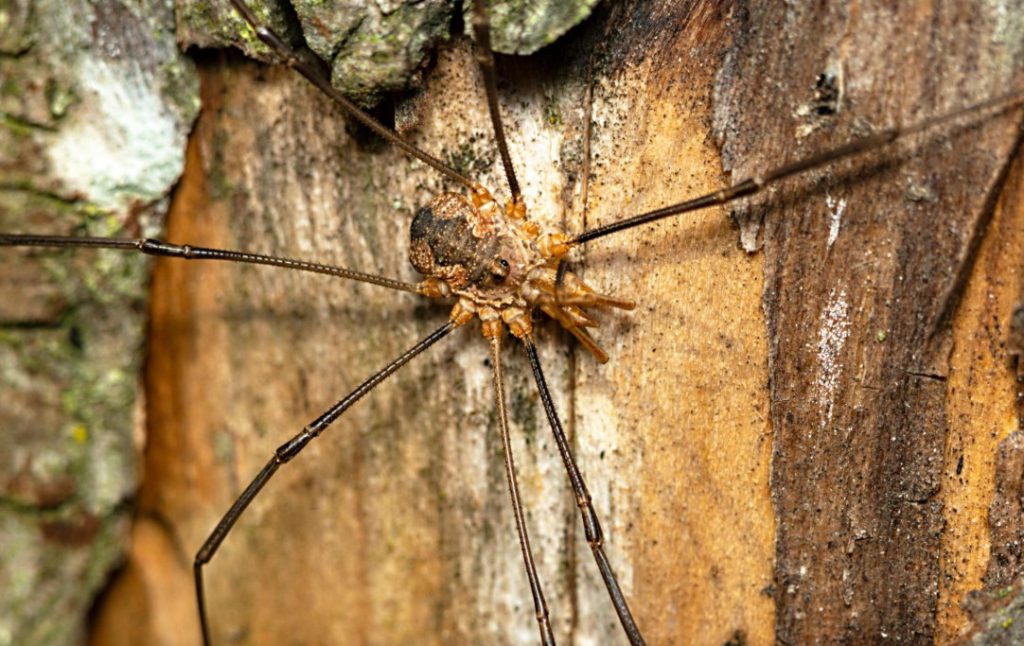
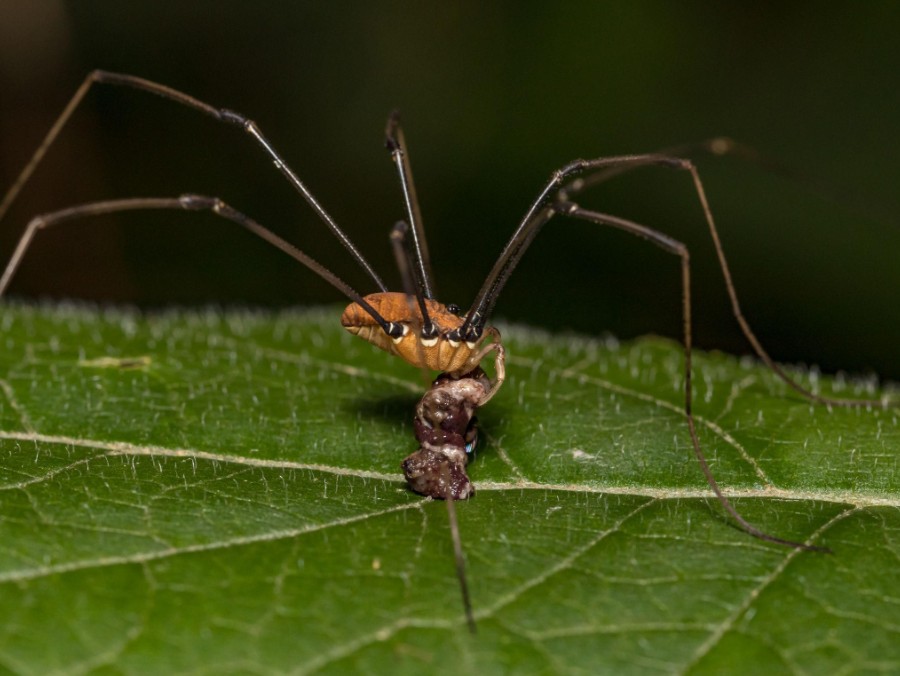
Harvestmen are omnivores and scavengers, meaning they eat a wide variety of foods.
Their diet includes:
- Small insects
- Dead insects (carrion)
- Plant material
- Fungi
- Bird droppings (yes, really!)
Unlike spiders, harvestmen cannot produce silk or venom, so they rely on scavenging and slow-moving prey.
What Do Cellar Spiders Eat?
Cellar spiders—the ones you often find in your home—are predators.
Common foods:
- Mosquitoes
- Flies
- Ants
- Other spiders
They build messy webs and wait patiently for prey to get trapped. Once caught, they:
- Inject venom
- Wrap the prey
- Consume it slowly
👉 Interestingly, they sometimes eat dangerous spiders, making them beneficial indoors.
What Do Crane Flies Eat?
Crane flies have a very different diet depending on their life stage.
Larvae (in soil):
- Plant roots
- Decaying organic matter
Adults:
- Nectar (occasionally)
- Sometimes don’t eat at all
Adult crane flies live only a short time and focus mainly on reproduction.
What Do Daddy Long Legs Eat in Your House?
If you’re seeing daddy long legs indoors, they are most likely cellar spiders.
They help by eating:
- Mosquitoes
- Gnats
- Flies
- Other household pests
This makes them natural pest controllers, reducing unwanted insects without chemicals.
What Do Daddy Long Legs Eat in the Garden?
In outdoor environments, you’re more likely to encounter harvestmen or crane fly larvae.
Garden diet includes:
- Aphids and small insects
- Dead organic material
- Fungi
- Plant debris
While crane fly larvae may damage grass roots, harvestmen are generally beneficial.
How Do Daddy Long Legs Hunt or Feed?
Their feeding methods depend on the type:
Harvestmen:
- Use mouthparts to grab and chew food
- Scavenge rather than hunt
Cellar Spiders:
- Build webs
- Trap prey
- Inject venom
Crane Flies:
- Larvae chew plant matter
- Adults sip nectar (if they feed at all)
Do Daddy Long Legs Eat Mosquitoes?
Yes—but only certain types.
- Cellar spiders: ✅ Yes, they eat mosquitoes
- Harvestmen: ⚠️ Occasionally, if they can catch them
- Crane flies: ❌ No
This is why cellar spiders are often considered helpful in homes.
Are Daddy Long Legs Dangerous?
There’s a common myth that daddy long legs are the “most venomous spiders in the world.”
The truth:
- Harvestmen: No venom at all
- Cellar spiders: Mild venom, harmless to humans
- Crane flies: Completely harmless
👉 None of them pose a real threat to people.
Why Are Daddy Long Legs Important?
These creatures play key roles in ecosystems.
Benefits include:
- Controlling insect populations
- Recycling organic matter
- Supporting soil health
They are an essential part of the food chain and natural balance.
What Eats Daddy Long Legs?
Despite their long legs, they are prey for many animals.
Predators include:
- Birds
- Frogs
- Lizards
- Larger spiders
Their survival depends on camouflage and hiding.
Seasonal Feeding Behavior
Spring & Summer:
- Abundant insects
- Active feeding
Fall:
- More scavenging behavior
Winter:
- Reduced activity
- Some species go dormant
How to Attract (or Avoid) Daddy Long Legs
To attract them (for pest control):
- Keep a natural garden
- Avoid pesticides
- Provide shelter
To reduce them indoors:
- Remove webs
- Seal cracks
- Reduce insects (their food source)
Fun Facts About Daddy Long Legs
- They can lose a leg to escape predators
- Harvestmen have one of the oldest evolutionary lineages
- Some species cluster together in large groups
- Cellar spiders can shake their webs to confuse predators
FAQs
What do daddy long legs eat most?
It depends on the species, but insects are a major part of their diet.
Do daddy long legs eat spiders?
Yes, cellar spiders often eat other spiders.
Do daddy long legs eat plants?
Only crane fly larvae and harvestmen occasionally consume plant material.
Are daddy long legs good to have around?
Yes, especially cellar spiders, as they control pests.
Do daddy long legs bite humans?
They rarely bite, and even if they do, it’s harmless.
Conclusion
So, what do daddy long legs eat?
The answer depends on the species—but overall, their diet includes insects, decaying matter, fungi, and sometimes nectar. Whether scavenging in the garden or hunting pests in your home, these creatures are far more beneficial than many people realize.
Instead of fearing them, it’s worth appreciating the important role they play in keeping ecosystems balanced—and even helping keep your home free of unwanted bugs.