Baby Rabbit: 15 Adorable Facts, Care Tips, and Everything You Need to Know

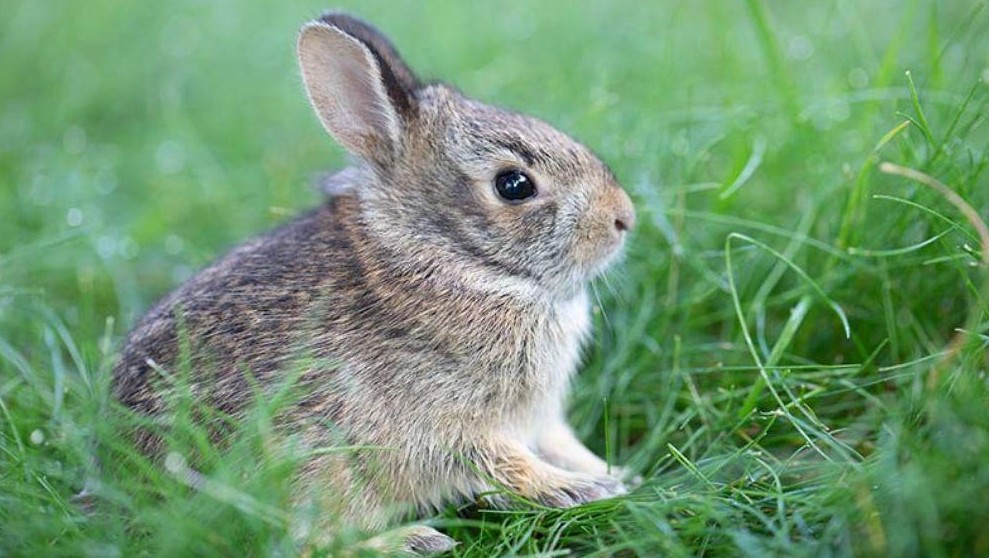
Few animals capture hearts quite like a baby rabbit. With their tiny noses twitching, soft fur, and wide, curious eyes, these little creatures are irresistibly adorable. But beyond their cuteness lies a fascinating world of rapid growth, delicate care needs, and unique behaviors that many people don’t fully understand.
Whether you’ve spotted one in your backyard, are thinking about raising rabbits, or simply love learning about wildlife, understanding baby rabbits is both rewarding and important.
In this complete guide, we’ll explore everything you need to know about baby rabbits—from their early life stages and diet to essential care tips and surprising facts that might just change the way you see them.
What Is a Baby Rabbit Called?
A baby rabbit is called a kit or kitten.
These tiny newborns are:
- Born blind and hairless
- Completely dependent on their mother
- Extremely fragile during the first few weeks
Unlike many other baby animals, kits develop quickly and begin exploring the world in just a short time.
What Do Baby Rabbits Look Like?
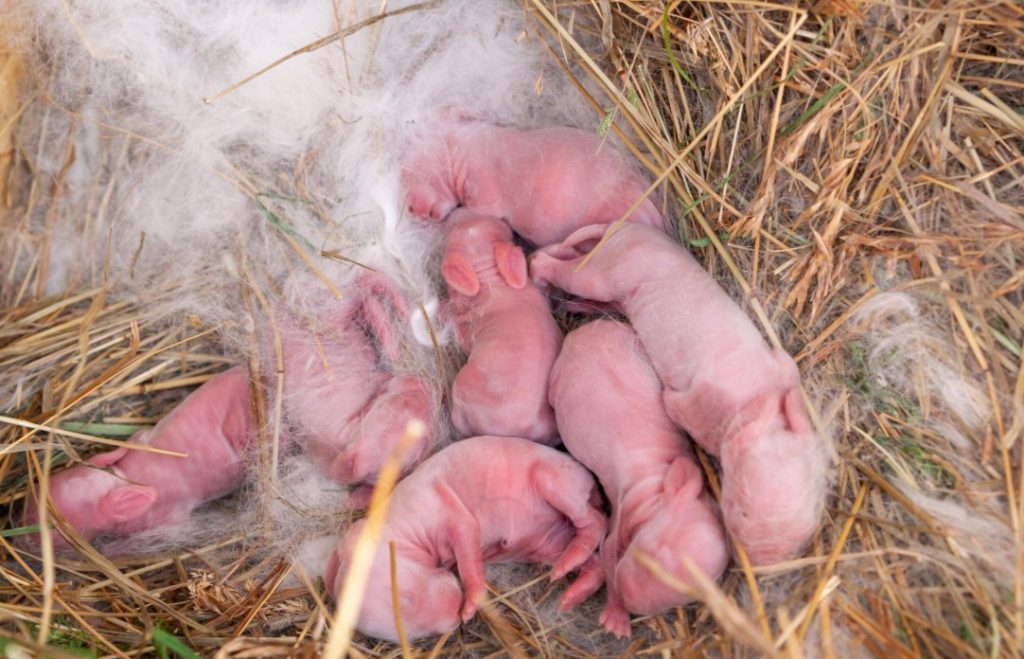
Baby rabbits go through dramatic physical changes in a very short period.
At Birth:
- Pink skin
- No fur
- Eyes closed
- Very small (about the size of a golf ball)
After 1 Week:
- Thin layer of fur appears
- Begin to grow stronger
After 2 Weeks:
- Eyes open
- Fur thickens
- Start moving around
After 3–4 Weeks:
- Look like miniature adult rabbits
- Begin exploring outside the nest
Baby Rabbit Growth Stages
Understanding growth stages is key to proper care.
🐣 Stage 1: Newborn (0–7 days)
- Completely dependent
- Stay in the nest
- Fed only by mother’s milk
🐇 Stage 2: Early Development (1–2 weeks)
- Fur begins growing
- Eyes still closed initially
- Limited movement
🌱 Stage 3: Exploration (2–3 weeks)
- Eyes open
- Start nibbling solid food
- Begin hopping
🌿 Stage 4: Weaning (3–6 weeks)
- Gradually stop nursing
- Eat grass, hay, and greens
- Become more independent
What Do Baby Rabbits Eat?
🥛 Mother’s Milk (First Weeks)
For the first few weeks, baby rabbits rely entirely on their mother’s milk. Interestingly:
- Mothers feed only once or twice a day
- Milk is extremely rich in nutrients
This is completely normal and not a sign of neglect.
🌾 Transition to Solid Foods
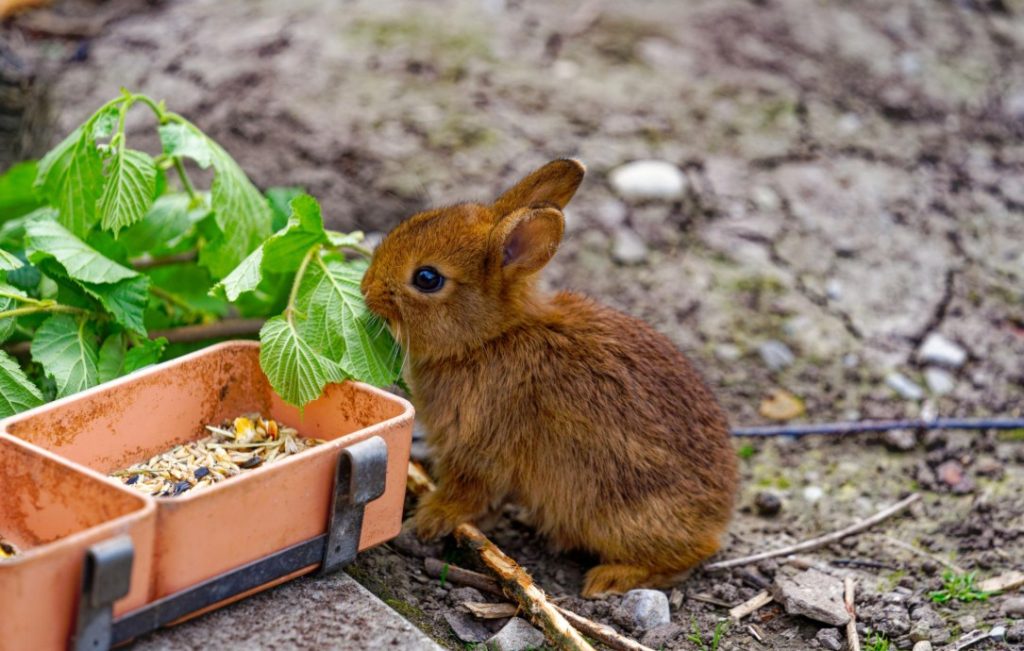
As they grow, baby rabbits begin eating:
- Hay (very important)
- Grass
- Leafy greens
- Small amounts of vegetables
Hay should make up the majority of their diet as it supports digestion and dental health.
⚠️ Foods to Avoid
Never feed baby rabbits:
- Iceberg lettuce
- Sugary fruits (in excess)
- Processed foods
- Dairy products
Their digestive systems are sensitive and require natural foods.
How Do Mother Rabbits Care for Their Babies?
Mother rabbits (does) have a unique parenting style.
Key behaviors:
- Build nests lined with fur
- Visit only briefly to feed
- Stay away to avoid attracting predators
This often confuses people, who may think the babies are abandoned—but they usually are not.
Where Do Baby Rabbits Live?
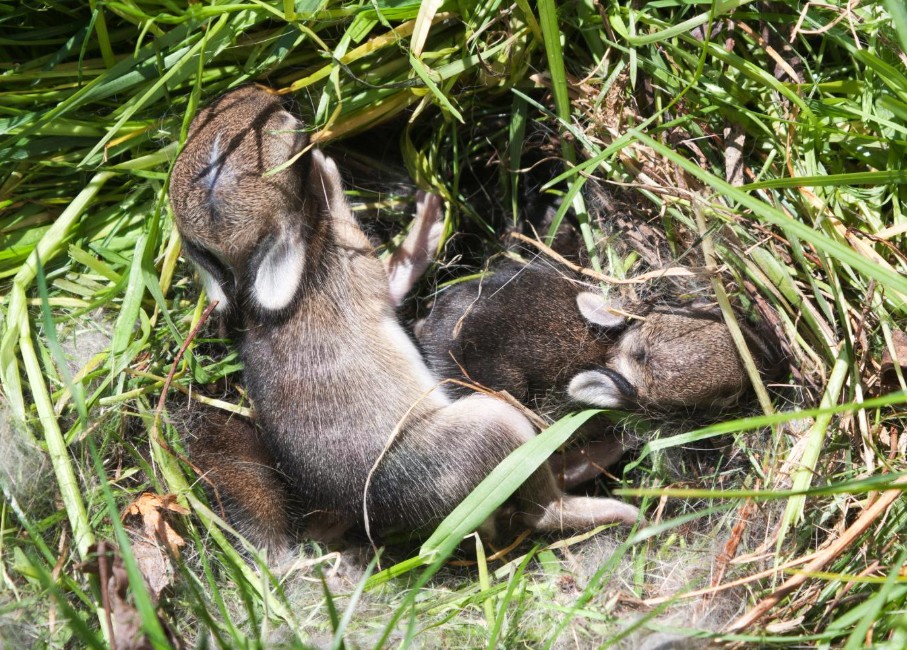
Baby
- Shallow ground nests
- Grass-covered areas
- Gardens and lawns
These nests are well hidden to protect them from predators.
Can You Touch a Baby Rabbit?
This is a common question—and the answer is:
👉 It’s best not to touch them unless necessary.
Why?
- Human scent may attract predators
- Stress can harm the baby
- The mother may temporarily avoid the nest
If you must intervene (e.g., injured rabbit), handle gently and minimally.
How to Tell If a Baby Rabbit Is Abandoned
Not all alone baby rabbits are abandoned.
Signs they are okay:
- Warm and quiet
- Nest intact
- No visible injuries
Signs they may need help:
- Cold or weak
- Injured
- Nest destroyed
If in doubt, contact a wildlife rehabilitator.
How Fast Do Baby Rabbits Grow?
Baby rabbits grow incredibly fast.
- Eyes open in about 10 days
- Start eating solids by 2–3 weeks
- Leave the nest around 3–4 weeks
By one month, they are often independent.
Baby Rabbit Behavior
Baby rabbits are naturally:
- Quiet and still (to avoid predators)
- Curious once older
- Quick learners
They rely on instinct for survival from a very young age.
Are Baby Rabbits Good Pets?
Baby rabbits can be wonderful pets—but they require commitment.
Pros:
- Gentle and quiet
- Adorable and affectionate
- Can be litter trained
Cons:
- Sensitive digestive systems
- Need proper diet and space
- Require long-term care
They are not “low-maintenance” pets, especially as babies.
How to Care for a Baby Rabbit (Pet Guide)
🏡 Housing
- Safe, warm enclosure
- Soft bedding
- Protection from drafts
🥕 Diet
- Unlimited hay
- Fresh greens (age-appropriate)
- Clean water
🧼 Hygiene
- Keep area clean
- Remove waste regularly
❤️ Socialization
- Gentle handling
- Quiet environment
Common Health Issues in Baby Rabbits
Baby rabbits are delicate and can face health problems.
Watch for:
- Diarrhea (very serious)
- Lack of appetite
- Lethargy
If you notice these signs, consult a vet immediately.
Fun Facts About Baby Rabbits
- Baby rabbits can fit in the palm of your hand at birth
- They grow fur in just a few days
- Mothers spend less than 5 minutes feeding them daily
- They can hop within weeks
- Wild baby rabbits leave the nest earlier than most mammals
Wild vs. Domestic Baby Rabbits
Wild Baby Rabbits:
- Grow faster
- Leave nest early
- Avoid human contact
Domestic Baby Rabbits:
- Depend more on care
- Socialized with humans
- Live longer in safe environments
How to Attract Rabbits to Your Yard
If you love rabbits, you can create a friendly environment.
Try this:
- Grow native plants
- Avoid pesticides
- Provide shelter areas
- Keep grass natural
But remember—wild rabbits should remain wild.
FAQs
What do baby rabbits eat?
They start with mother’s milk, then transition to hay, grass, and greens.
How long do baby rabbits stay with their mother?
Usually about 3–4 weeks before becoming independent.
Can baby rabbits survive without their mother?
Only if they are old enough and eating solid food.
How often do baby rabbits need feeding?
Mother rabbits feed them once or twice daily.
Is it okay to keep a wild baby rabbit?
No, it’s best to leave them in the wild unless they are injured.
Conclusion
Baby rabbits are more than just adorable—they are resilient, fast-growing, and uniquely adapted to survive in the wild. From their fragile beginnings as tiny, hairless kits to their rapid transformation into independent young rabbits, every stage of their life is remarkable.
Whether you’re caring for a pet bunny or observing wildlife in your backyard, understanding baby rabbits helps you appreciate them even more—and ensures you give them the care and respect they deserve.
The next time you spot a baby rabbit, take a moment to observe from a distance. You’re witnessing one of nature’s most delicate and fascinating journeys.