What Do Foxes Eat? Complete Guide to Their Diet

Foxes are highly adaptable nocturnal hunters found throughout North America. Known for their intelligence and striking appearance, foxes spark curiosity among homeowners, gardeners, and wildlife enthusiasts. Understanding their diet is crucial for safe coexistence, minimizing conflicts, and appreciating their ecological role.
In this guide, you’ll learn exactly what foxes eat, how their diet varies with habitat and season, safe feeding practices, mistakes to avoid, and expert tips for observing them responsibly.
Quick Answer Box
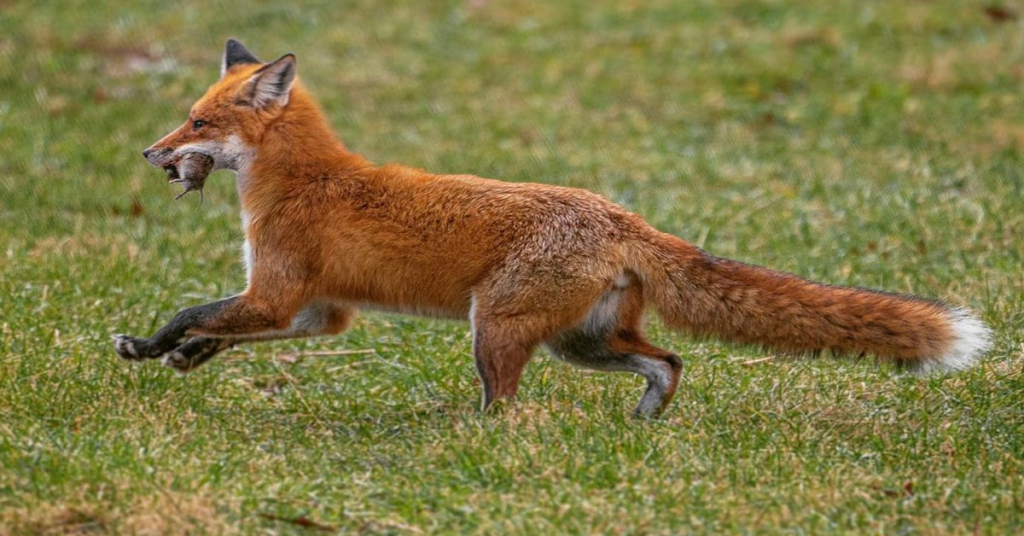
Foxes are omnivores that eat small mammals like mice and rabbits, birds and eggs, insects, and seasonal fruits such as berries and apples. In urban areas, they may also eat pet food, garbage scraps, or fallen garden produce. Their diet varies seasonally and according to food availability.
Table of Contents
- What Do Foxes Eat?
- Why Fox Diet Matters
- How to Feed or Avoid Feeding Foxes Safely
- Mistakes to Avoid
- FAQs
- Expert Notes / Pro Tips
- Data / Statistics / References
- Conclusion
What Do Foxes Eat?
Foxes are omnivorous, eating both animal and plant matter. Their diet is highly versatile, allowing survival in forests, grasslands, urban areas, and suburban neighborhoods.

Natural Diet
- Small mammals: mice, voles, rabbits, squirrels
- Birds and eggs: ground-nesting birds and eggs
- Insects: beetles, grasshoppers, crickets
- Fruits and berries: apples, cherries, wild grapes
- Amphibians and reptiles: frogs, lizards, small snakes
Foxes use stealth, acute hearing, and precise pouncing to capture prey. Diet varies by region, season, and prey availability.
Urban Diet
- Pet food left outdoors
- Garbage or compost scraps
- Small rodents attracted to urban areas
- Garden fruits and vegetables
Urban foxes adapt to human environments but still hunt natural prey when available.
Seasonal Variations
- Spring: young mammals, insects
- Summer: eggs, insects, small mammals, fruits
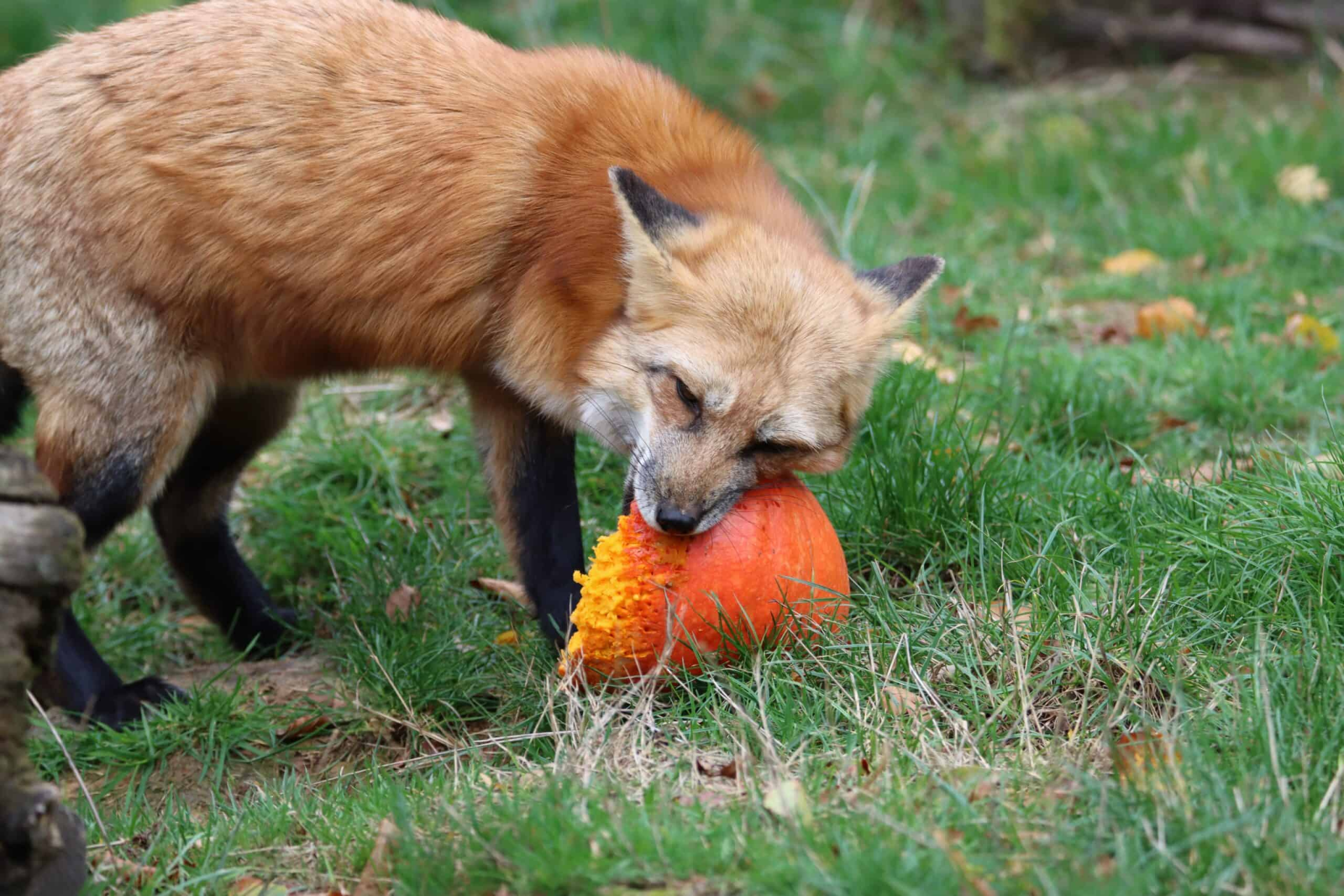
- Fall: berries, fruits, nuts, building fat reserves
- Winter: carrion, small mammals under snow, leftover human food
Why Fox Diet Matters
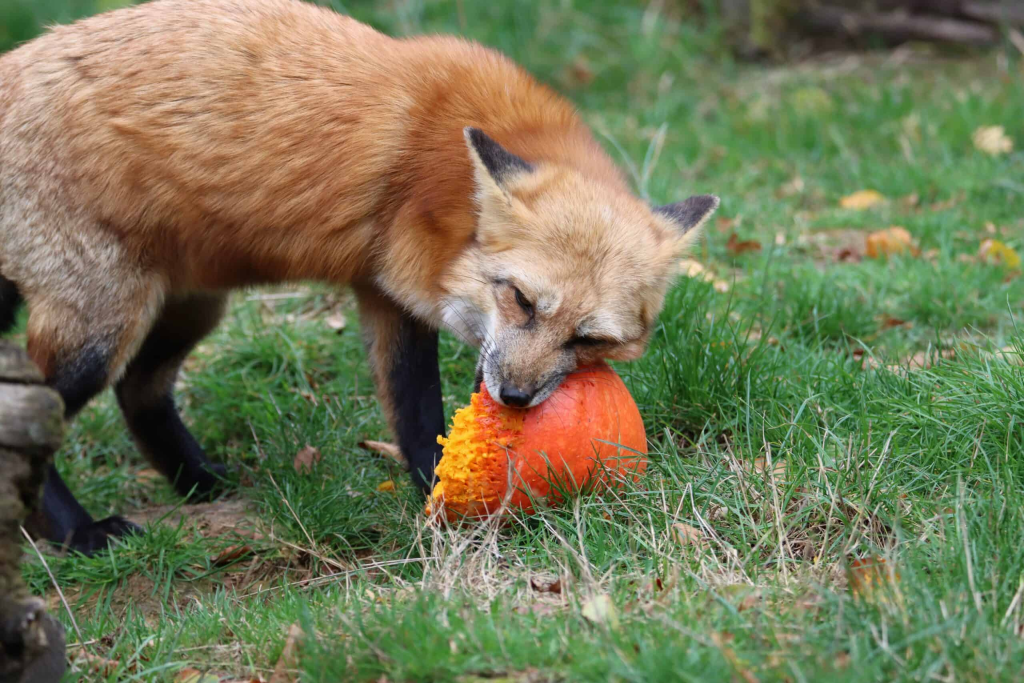
Understanding the diet of foxes is more than just satisfying curiosity— it has significant practical implications for homeowners, gardeners, and wildlife enthusiasts alike. Knowing what foxes eat helps people manage their yards responsibly, prevent potential conflicts, and appreciate the ecological roles these animals play in both rural and urban environments.
Pest Control
Foxes are natural predators that help control populations of rodents and insects. By consuming mice, voles, and other small mammals, foxes play a key role in reducing the numbers of animals that can damage gardens, crops, and even human property. Their hunting activities also help limit the spread of diseases carried by rodents, such as hantavirus or leptospirosis. In addition to mammals, foxes consume a variety of insects—including beetles, grasshoppers, and crickets—which further benefits garden ecosystems by reducing pest damage. In essence, having foxes around can act as a natural pest control system, reducing the need for chemical pesticides and supporting a healthier, more balanced backyard environment.
Garden and Crop Impact
While some gardeners may worry about foxes eating fruits or vegetables, their impact is generally minimal compared to larger wildlife like deer or raccoons. Foxes usually focus on fallen or easily accessible produce rather than actively damaging plants. Regularly harvesting fruits, berries, or vegetables that have dropped from trees or bushes can help prevent conflicts while allowing foxes to continue their natural foraging. By understanding these feeding habits, homeowners can create gardens that coexist safely with wildlife, benefiting both the plants and the animals.
Ecosystem Balance
Foxes are an integral part of the food chain. As both predators and opportunistic scavengers, they help regulate populations of small mammals and insects while cleaning up carrion when necessary. This scavenging behavior reduces the risk of disease spread from decaying animals and ensures nutrients are recycled back into the soil more efficiently. Their presence supports biodiversity by preventing overpopulation of certain species and allowing other wildlife, including birds and beneficial insects, to thrive. Essentially, foxes act as natural ecosystem managers, maintaining balance and promoting a healthy environment.
Pet Safety
Understanding a fox’s diet also has direct implications for pet safety. Foxes are generally shy and avoid humans, but they can be attracted to easily accessible food such as pet bowls, scraps, or compost. Knowing this, homeowners can take steps to secure food sources and prevent unintentional interactions. Keeping pets indoors at night, removing leftovers promptly, and educating family members about proper waste management can minimize conflicts. Awareness of fox feeding behavior ensures a safe environment for both domestic animals and wildlife.
Wildlife Observation
For wildlife enthusiasts, understanding fox diet provides insight into their behavior and activity patterns. Knowing what foods foxes seek, and how these preferences shift seasonally, allows observers to anticipate where foxes are likely to appear. This information can enhance wildlife-watching experiences while ensuring the animals are not stressed or disturbed. By observing their natural foraging behaviors safely, people can appreciate the ecological contributions of foxes, including their role in controlling pests, scavenging carrion, and supporting biodiversity.
In summary, learning about the diet of foxes equips homeowners and wildlife enthusiasts with the knowledge to coexist safely, protect their gardens and pets, and appreciate the critical ecological roles these adaptable omnivores play. Far from being a nuisance, foxes provide essential services in natural and urban ecosystems, from pest control to nutrient recycling, all while offering opportunities for safe and engaging wildlife observation.
How to Feed or Avoid Feeding Foxes Safely
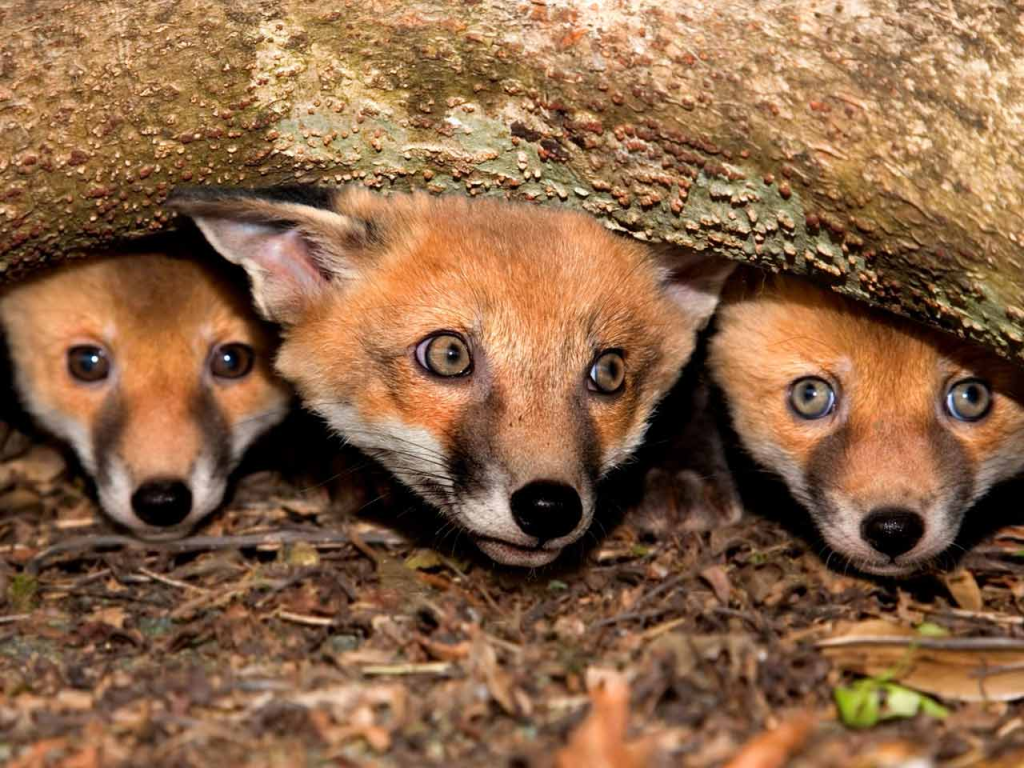
Observing foxes in your backyard or nearby natural areas can be a rewarding experience, offering a unique glimpse into their behavior and nocturnal habits. However, it is essential to manage feeding practices carefully to maintain safety for both humans and wildlife. Improper feeding can lead to dependency, overpopulation in urban areas, health problems for the animals, and potential conflicts with pets or neighbors. By following responsible guidelines, you can enjoy watching foxes while promoting their natural behaviors and supporting ecosystem balance.
Step 1: Do Not Leave Food Out at Night
Foxes are primarily nocturnal, meaning they are most active during the evening and nighttime hours. Leaving food outdoors after sunset can attract foxes to areas where interactions with humans or pets are more likely.
- Bring pet food indoors: If your pets eat outside, make sure bowls are removed before evening. Leftover food should be brought indoors or disposed of properly.
- Secure trash cans: Foxes are skilled scavengers and can easily access unsecured bins. Use sturdy containers with tight-fitting lids or additional straps to prevent foxes from scavenging.
- Cover compost piles: Open compost piles containing food scraps are an invitation to foxes and other wildlife. Consider using bins with secure lids or elevated composting systems to reduce access.
- Avoid leaving fallen produce exposed: Fallen fruits, vegetables, or nuts near living areas can attract foxes. Regularly clearing or harvesting produce minimizes unwanted visits.
By controlling food access at night, you reduce the likelihood of foxes frequenting areas where they could encounter humans or pets, lowering the risk of conflict.
Step 2: Manage Your Garden
Your garden can serve as both a food source and habitat for foxes. While their impact on crops is generally minimal, thoughtful garden management can encourage safe coexistence.
- Harvest fallen fruits and vegetables promptly: Apples, berries, tomatoes, and squash that have fallen to the ground can attract foxes. Regular cleanup reduces dependence on human-provided food.
- Plant hedges or shrubs strategically: Providing natural cover along yard edges allows foxes to feel safe while foraging, without encouraging them to linger near areas with heavy human activity. Native shrubs or low-maintenance hedges are ideal.
- Use protective barriers: Fencing delicate plants or fruit trees can help protect them from occasional foraging while still allowing foxes to hunt insects and small mammals naturally.
These measures maintain a wildlife-friendly environment without creating dependency on your garden as a primary food source.
Step 3: Optional Controlled Feeding
For those who wish to attract foxes for observation or educational purposes, controlled feeding can be done safely when done responsibly:
- Offer natural foods only: Small fruits such as berries, cut apples, or grapes are safe for foxes. Avoid processed foods, bread, candy, or other human snacks, which can be harmful.
- Feed in a safe location: Choose a consistent feeding spot away from children, pets, and high-traffic areas. This ensures that foxes associate food with a controlled area rather than wandering into potentially dangerous locations.
- Limit frequency: Feeding should be occasional rather than daily. Overfeeding can cause foxes to rely too heavily on humans, reducing their natural hunting instincts.
- Provide small portions: Offer just enough to observe without creating waste or attracting other nuisance animals such as raccoons or rats.
Controlled feeding done properly allows you to enjoy watching foxes without disrupting their natural foraging behaviors or encouraging urban dependency.
Checklist for Backyard Safety
To maintain a safe environment for both foxes and humans, follow this practical checklist:
- Secure trash bins with tight lids to prevent scavenging.
- Pick up fallen fruits and vegetables promptly.
- Remove pet food at night and store indoors.
- Controlled feeding only in safe, designated areas for observation purposes.
- Educate family members and neighbors about responsible food management.
- Monitor backyard activity to ensure foxes are not creating habituation or conflicts.
- Observe from a distance to avoid stressing the animals.
Additional Tips
- Encourage natural foraging: Plant native shrubs, trees, and groundcover that provide natural food sources for insects, berries, and small mammals. This reduces the need for human-provided food.
- Avoid hand-feeding: Even though foxes are usually non-aggressive, direct contact can lead to bites or disease transmission. Always feed from a safe distance.
- Maintain consistent practices: Regularly follow these steps rather than occasional, inconsistent feeding, which can confuse animals and increase risk of human-wildlife conflicts.
- Monitor seasonal changes: Fox diet shifts with the seasons, so adjust backyard practices accordingly. For example, more fruits may be available in fall, while protein from small mammals dominates in spring.
By following these guidelines, homeowners can create a safe, enjoyable environment for observing foxes while supporting their natural behaviors and overall ecosystem health. Responsible backyard management ensures foxes remain wild, healthy, and beneficial contributors to local biodiversity.
Mistakes to Avoid
Even well-intentioned homeowners and wildlife enthusiasts can make mistakes that negatively affect foxes and their surrounding ecosystem. Understanding these pitfalls is essential for safe and responsible coexistence.
- Leaving Pet Food or Garbage Accessible
Unsecured food sources can attract foxes to areas with humans or pets, increasing the risk of habituation and conflict. Regularly store pet food indoors and secure trash cans with lids or straps. - Feeding Processed Human Foods
Bread, candy, chips, or other processed foods can be harmful to foxes. Human snacks often lack the nutrients foxes need and can lead to digestive issues or obesity. - Disturbing Dens or Hunting Areas
Foxes are shy and sensitive to disturbances, especially during breeding or raising young. Approaching dens or disrupting hunting grounds can cause stress or abandonment of young. - Ignoring Signs of Urban Conflicts
Foxes may explore yards or neighborhoods seeking easy food sources. Ignoring warning signs, such as repeated visits to trash areas, can lead to increased risk for pets, property, and the foxes themselves. - Underestimating Seasonal Changes
Failing to account for seasonal diet shifts can lead to overfeeding or mismanagement. For instance, foxes naturally consume more protein in spring and more fruits in fall to prepare for winter.
By avoiding these mistakes, homeowners and wildlife enthusiasts can foster safer, more sustainable interactions with foxes, while supporting their natural behaviors.
FAQs
Q: Do foxes eat only meat?
A: No, foxes are omnivores, consuming small mammals, birds, insects, and fruits.
Q: Can foxes eat garden vegetables?
A: Occasionally, especially soft or fallen produce.
Q: Are foxes dangerous to humans?
A: Generally no, they are shy and avoid contact.
Q: How often do foxes eat?
A: Mostly nocturnal, eating multiple small meals per night.
Q: Do foxes eat ticks?
A: Not significantly, but they help control small mammals that carry ticks.
Q: Can urban foxes survive only on human food?
A: They can, but over-reliance can harm their health.
Expert Notes / Pro Tips
- Foxes help maintain ecosystem balance and natural pest control.
- Use native landscaping for shelter rather than encouraging feeding.
- Observe nocturnal behavior from a distance.
- Educate neighbors about coexistence.
Data / Statistics / References
- Rodent Control: Foxes eat numerous mice and voles, reducing crop and garden damage.
- Urban Adaptation: Foxes exploit urban food sources opportunistically.
- Seasonal Feeding: They adjust diet seasonally, favoring fruits in fall for fat storage and protein from small mammals in spring.
Conclusion
Foxes are adaptable omnivores, consuming small mammals, birds, insects, fruits, and vegetables depending on season and habitat. Understanding their diet allows homeowners to coexist safely, reduce conflicts, and appreciate their ecological benefits, including natural pest control and ecosystem balance. Responsible management of backyard food sources ensures safe observation and encourages natural foraging behaviors.