Can Foxes Climb Trees? Surprising Facts About How Foxes Climb

Foxes are agile, curious, and highly adaptable animals, but many people still wonder whether they can climb trees. The answer isn’t as simple as yes or no—because it depends on the species, the tree structure, and the purpose behind the climb. Whether you’re a homeowner, wildlife enthusiast, or simply curious, understanding fox climbing behavior helps you protect pets, secure your yard, and enjoy safe wildlife observation. In this article, we break down everything you need to know.
Quick Answer Box
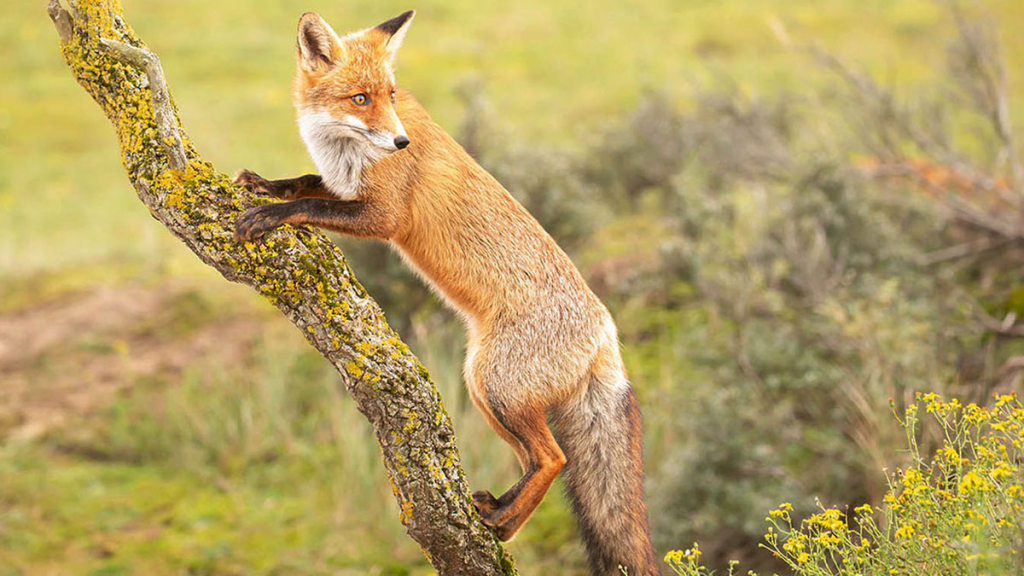
Yes, some fox species can climb trees—especially gray foxes, which are excellent climbers and can scale vertical trunks and branches. Red foxes climb poorly but may scramble onto low branches, fallen logs, or angled trees. Climbing helps foxes escape predators, hunt, and rest safely.
Table of Contents
- Can Foxes Climb Trees?
- Why Fox Climbing Ability Matters
- How Foxes Climb (Step-by-Step Behavior)
- Mistakes to Avoid
- FAQs
- Expert Notes
- Data & References
- Conclusion
Can Foxes Climb Trees?
Foxes are agile, intelligent, and adaptable animals—but their climbing abilities vary greatly depending on the species. While some foxes can scale trees with surprising skill, others can only manage low inclines or avoid climbing altogether. Understanding these differences helps explain their behavior, hunting strategies, and the types of habitats where each species thrives.
Gray Foxes – Exceptional Climbers
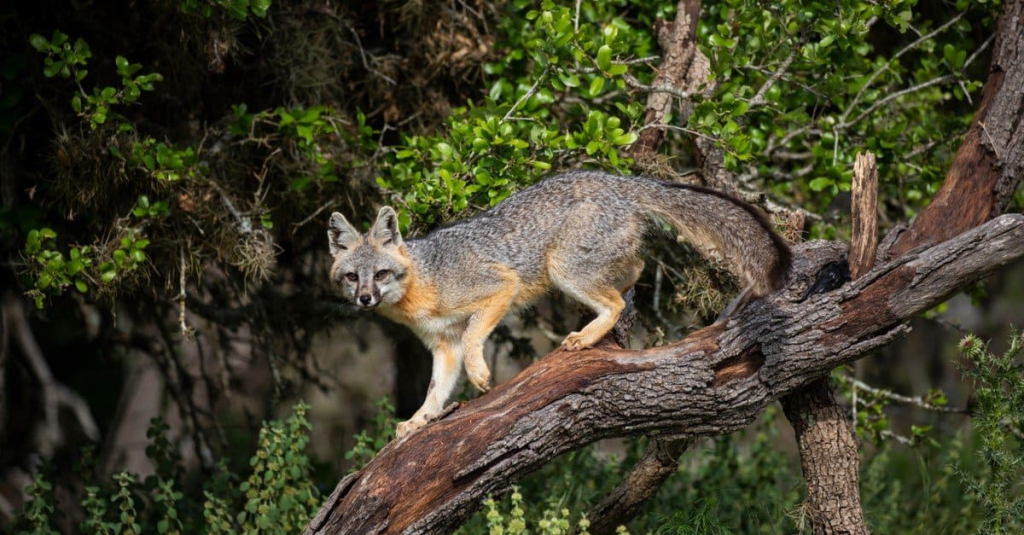
Gray foxes (Urocyon cinereoargenteus) are by far the most capable climbers among all canid species. In fact, they are one of only two wild canids known to climb trees regularly (the other is the raccoon dog in Asia). Unlike red foxes, gray foxes have several physical adaptations that enable impressive climbing:
- Curved, semi-retractable claws that hook into bark
- Strong, flexible forelimbs that allow pulling themselves upward
- Rotating wrists that provide catlike maneuverability
- Powerful hind legs for pushing off tree trunks
Thanks to these traits, gray foxes can perform climbing feats that surprise many wildlife observers. They can:
- Climb straight vertical tree trunks, even smooth ones
- Balance confidently on branches, similar to arboreal mammals
- Rest, hide, or den inside tree hollows far off the ground
- Descend headfirst, using claws to maintain friction and control
Gray foxes often use trees for safety, escaping predators like coyotes or dogs. They may also climb to forage for eggs, fruit, or insects, or simply to rest above ground during the day. Their climbing ability is a major reason they adapt so well to forests, woodlands, and suburban areas with mature trees.
Red Foxes – Limited Climbers
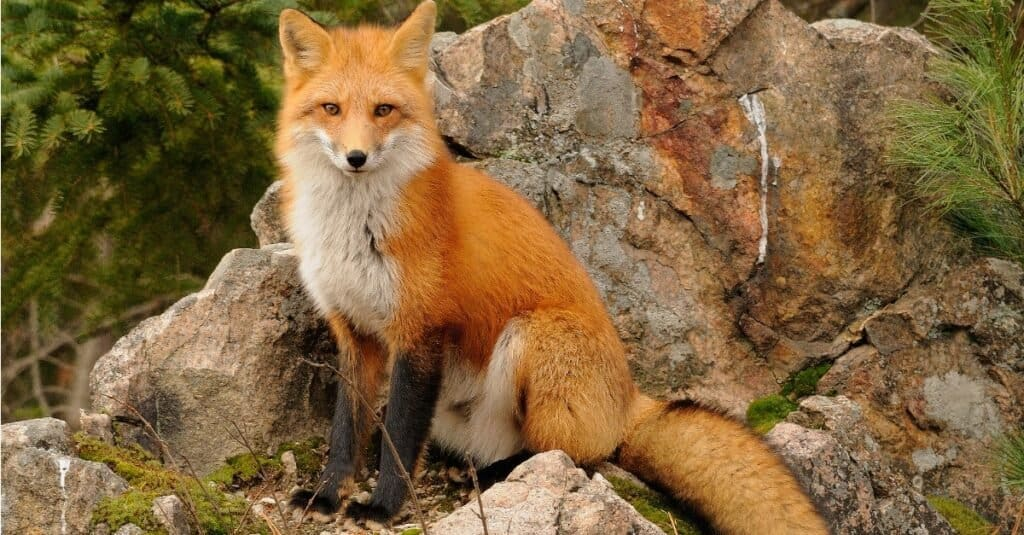
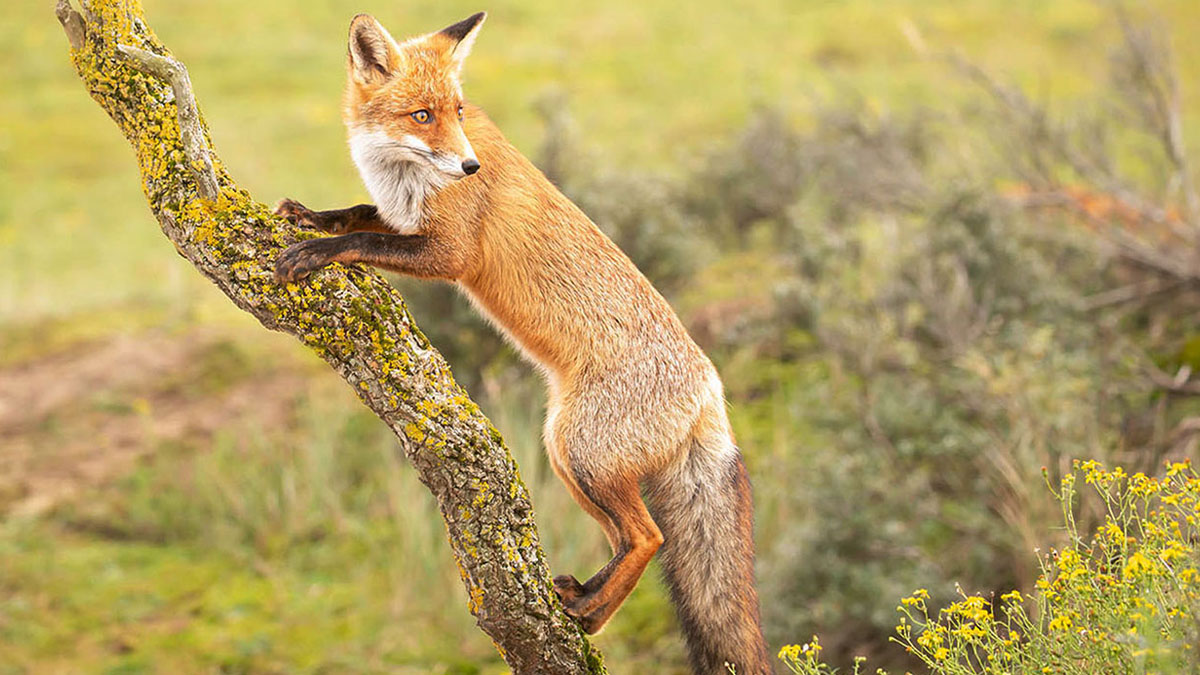
Red foxes (Vulpes vulpes) are fast, agile, and excellent jumpers, but they lack the specialized climbing abilities of gray foxes. Their claws are straighter and less curved, designed more for digging than gripping bark. As a result, they struggle with vertical surfaces and rely more on ground-based strategies.
However, red foxes can still climb under certain conditions. They’re capable of:
- Scaling low, angled trees where the incline gives support
- Walking along fallen logs or leaning trunks
- Jumping onto low branches, stumps, or rocky surfaces
- Scrambling up gently sloped trees that are not fully vertical
They cannot, however:
- Climb straight vertical tree trunks
- Descend from heights with control
- Navigate branches with the same precision as gray foxes
In essence, red foxes are “semi-climbers” at best. While they occasionally climb low structures, trees aren’t a natural part of their behavior or survival strategies.
Arctic Foxes, Fennec Foxes, and Kit Foxes – Non-Climbers
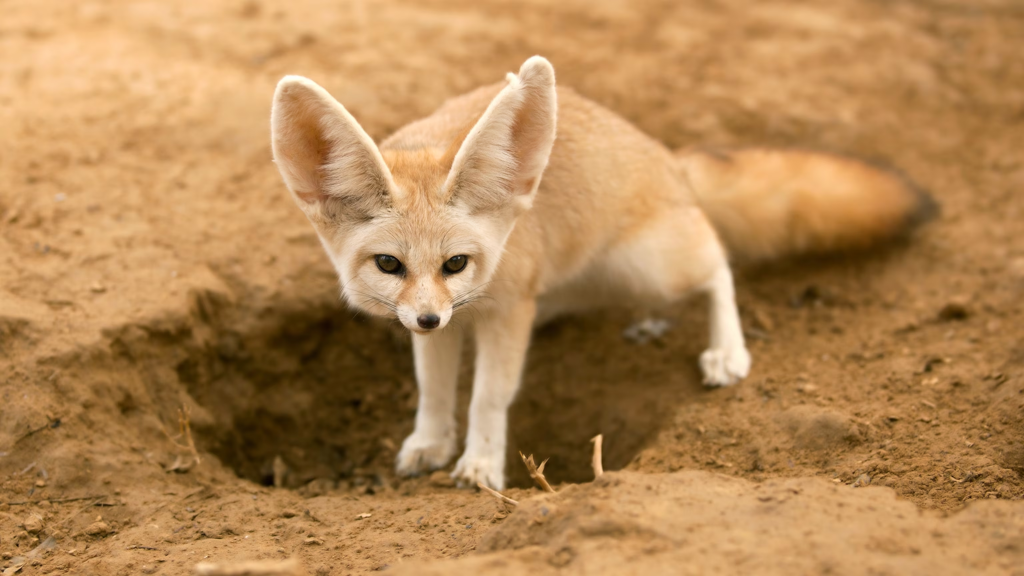
Some fox species are simply not built for climbing, mostly because their natural habitats offer few, if any, trees. Instead, these foxes evolved for open terrain, digging, and sprinting—not vertical movement.
Arctic Fox (Vulpes lagopus)
- Lives in tundra and polar regions with no trees
- Adapted to snow, ice, and rocky surfaces
- Uses dens, caves, and natural shelters—not trees
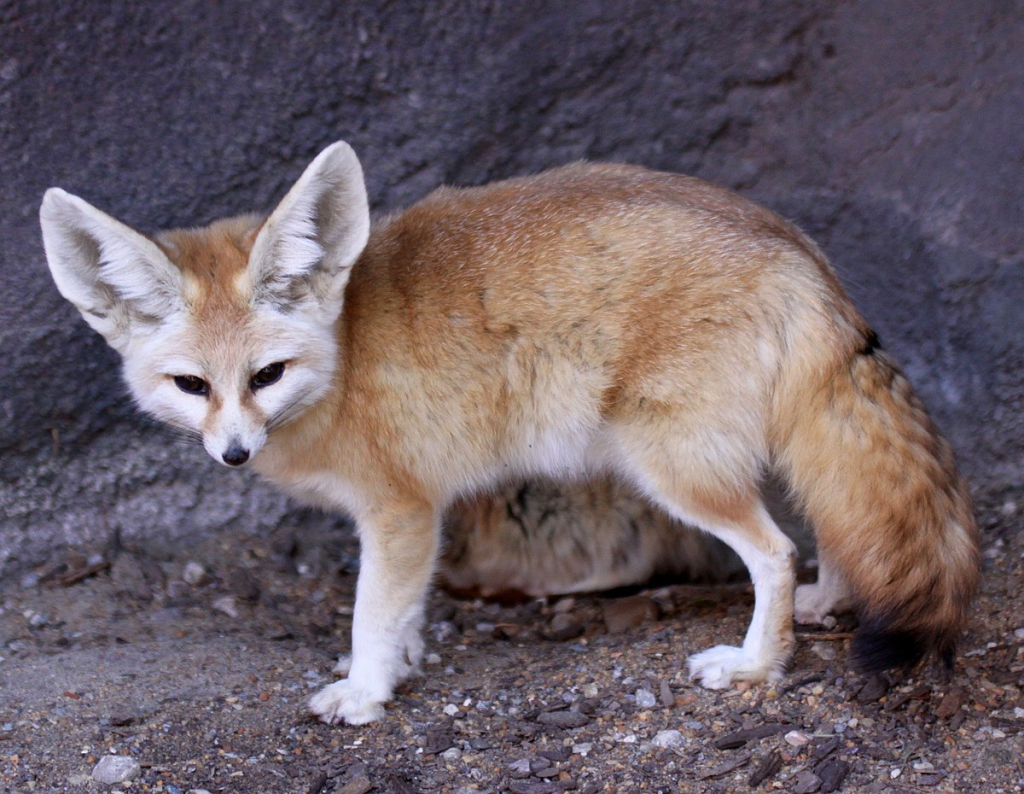
Fennec Fox (Vulpes zerda)
- Native to desert ecosystems where vegetation is low and sparse
- Specialized for digging and heat adaptation
- Climbing is unnecessary and not part of their behavior
Kit Fox (Vulpes macrotis)
- Found in open shrubland and arid landscapes
- Prefers underground dens for shelter and safety
- Agile runners, but not climbers
These foxes rarely, if ever, climb. Their physical build—smaller bodies, shorter limbs, and claws designed for digging—reflects an evolutionary path that never required tree-scaling.
Why Fox Climbing Ability Matters
Understanding whether foxes can climb trees is more than a fun wildlife fact—it has real-world value for homeowners, farmers, pet owners, and anyone who observes wildlife. A fox’s climbing capability influences how it escapes predators, how it hunts, how it moves through backyards, and how people can coexist with them safely. Different fox species use climbing in different ways, and knowing these differences helps reduce misunderstandings and prevent unnecessary worry.
Predator Avoidance
For gray foxes, climbing is a life-saving skill. They are one of the only canids with the ability to scale vertical trunks, and this gives them a significant advantage when evading predators such as coyotes, bobcats, and domestic dogs. While red foxes typically rely on speed and open-ground agility, gray foxes can leave the ground entirely, scrambling up trees to escape a threat. This behavior is especially useful in suburban areas where predators and pets may be nearby—climbing offers an immediate escape route with almost no risk.
Hunting Strategy
Tree climbing also influences a fox’s feeding opportunities. Although foxes are not specialized tree hunters, gray foxes take advantage of their climbing ability when food is scarce or when an easy opportunity presents itself. By climbing low trunks or navigating along branches, they may access:
- Eggs in low or mid-level nests
- Roosting birds at night
- Squirrels resting on branches
- Insects hiding in bark crevices
- Fruit or nuts growing on trees
This skill doesn’t turn gray foxes into aerial predators, but it does broaden their diet. Their climbing behavior is most often observed in late summer and fall, when fruiting trees provide easy calorie-rich meals.
Backyard Impact
A fox in a tree can surprise homeowners, especially those who assume foxes behave only like ground-dwelling animals. However, a climbing fox—usually a gray fox—rarely causes harm. In most cases, a fox climbs a tree simply to:
- Get a better view of the surroundings
- Cross onto a fence or roofline
- Hide from a dog or coyote
- Move quietly through a yard without being noticed
Gray foxes are typically shy and avoid confrontation. Their presence in a tree is not a sign of aggression or a threat toward people or pets.
Pet Safety
Foxes generally avoid cats and small dogs, and conflicts are rare. But understanding how foxes move—especially gray foxes that can use trees, fences, and angled structures as escape routes—helps homeowners create safer outdoor spaces. Knowing that a fox might pass through a yard using elevated paths can explain unusual pet behavior or missing backyard items (like scattered fruit or overturned planters). It also helps poultry owners better secure enclosures, especially if runs or coops are near low-hanging branches.
Wildlife Observation
Fox climbing behavior adds a fascinating layer to wildlife watching. Observers who know where and when to look can spot gray foxes resting on sturdy branches, using tree hollows as temporary dens, or leaping between angled limbs. This knowledge makes it easier to predict:
- What routes foxes use when traveling
- Where they might appear in the early morning or late evening
- Whether a fox poses any risk to chickens or small pets
- How they navigate mixed landscapes of forest, farmland, and backyards
Understanding these behaviors leads to richer, more informed wildlife encounters and helps people appreciate the complexity of fox species beyond the typical “red fox in a field” image.
How Foxes Climb (Step-by-Step Guide)
Step 1: Gripping the Tree
Gray foxes dig curved claws into bark, using them like climbing spikes. Red foxes lack this hook-shaped curvature.
Step 2: Pulling With Forelimbs
Their upper-body strength helps foxes lift themselves upward while hind legs push for momentum.
Step 3: Balancing on Branches
Gray foxes maintain excellent balance thanks to:
- Long tails
- Flexible ankles
- Cat-like precision
Step 4: Descending Safely
They can descend:
- Backward
- Sideways
- Headfirst (unique among canids)
Red foxes rarely climb high enough to require this.
Checklist for Yard Safety
- Trim branches hanging over coops
- Use hardware cloth on trees near poultry
- Don’t leave pet food outdoors
- Install secure fencing at ground level
Mistakes to Avoid
Even though foxes are generally shy and unlikely to cause significant harm, homeowners often make several mistakes that unintentionally attract them or increase conflict. Understanding these common errors helps you protect poultry, pets, and property while still appreciating fox behavior safely.
1. Leaving poultry unsecured
One of the biggest mistakes is assuming foxes won’t investigate coops unless they see an obvious opening. Gray foxes, in particular, may climb nearby trees, wood piles, or shed roofs to scout the area before approaching. Loose fencing, unlatched coop doors, or gaps near the roofline make it easier for foxes to reach hens or steal eggs. Ensuring secure wire mesh, proper nighttime lock-up, and reinforced corners significantly reduces risk.
2. Assuming red foxes cannot climb at all
While red foxes are poor vertical climbers, many homeowners underestimate their ability to scramble onto low roofs, angled branches, logs, or fence tops. This assumption may lead to poorly placed food storage or vulnerable coop designs. Even limited climbing ability lets red foxes access food sources left at waist height or higher. It’s safer to treat them as capable of mild climbing rather than none.
3. Feeding foxes intentionally
Some people leave scraps outside hoping to watch foxes up close. This is a major mistake. Regular feeding creates dependency, increases nighttime visits, and can lead to territorial behavior around yards. It also makes foxes more comfortable around pets and humans, increasing chances of unwanted encounters. The best practice is never to offer food deliberately—foxes should remain wild and self-sufficient.
4. Disturbing dens located near tree bases
Fox dens are often hidden at the base of trees, in brush piles, or under old stumps. Accidentally disturbing these sites—especially during mating or pup-rearing season—can stress the adult foxes and cause them to relocate their young. Always check the area before clearing brush or removing dead trees, and maintain a respectful distance from suspected den sites.
5. Ignoring tree access points
Homeowners often overlook how everyday objects create unintended climbing pathways. Leaning ladders, stacked firewood, trash bins pushed against fences, or low-hanging branches can serve as ramps for foxes. Removing or repositioning these items reduces easy access to roofs, balconies, chicken coops, and garden areas. A simple cleanup can prevent repeated fox visits.
FAQs
1. Do foxes sleep in trees?
Gray foxes sometimes rest on branches or inside tree hollows.
2. Can foxes climb fences?
Yes. Both gray and red foxes can climb chain-link fences up to 6 feet.
3. Do foxes climb to hunt birds?
Occasionally, mainly for eggs and fledglings, not adult birds.
4. Can foxes climb onto roofs?
Gray foxes often can, and red foxes may access low roofs using angled structures.
5. Are foxes dangerous to pets?
Rarely. They avoid confrontation but may react if cornered.
Expert Notes / Pro Tips
- Gray foxes are the only North American canid that regularly climbs trees.
- Red fox climbs are usually opportunistic and rely on sloped angles, not vertical bark.
- If a fox is frequently seen in trees, it is almost always a gray fox.
- Tree climbing helps gray foxes maintain territories where coyotes dominate the ground.
Data & References
- Gray fox climbing abilities documented by Smithsonian National Zoo
- Studies on arboreal behavior published by Journal of Mammalogy
- Wildlife agencies report gray foxes climbing up to 30 feet
- Field observations note gray foxes descending headfirst like raccoons
Conclusion
Foxes are far more agile than many people expect, and depending on the species, some can climb remarkably well. Gray foxes are talented climbers capable of scaling vertical trees, while red foxes show limited climbing abilities using angled structures. Understanding why and how foxes climb helps homeowners protect pets and poultry, improves wildlife observation, and offers deeper appreciation for the adaptability of these fascinating animals.