What Do Sea Otters Eat? Inside the Diet of These Adorable Marine Hunters

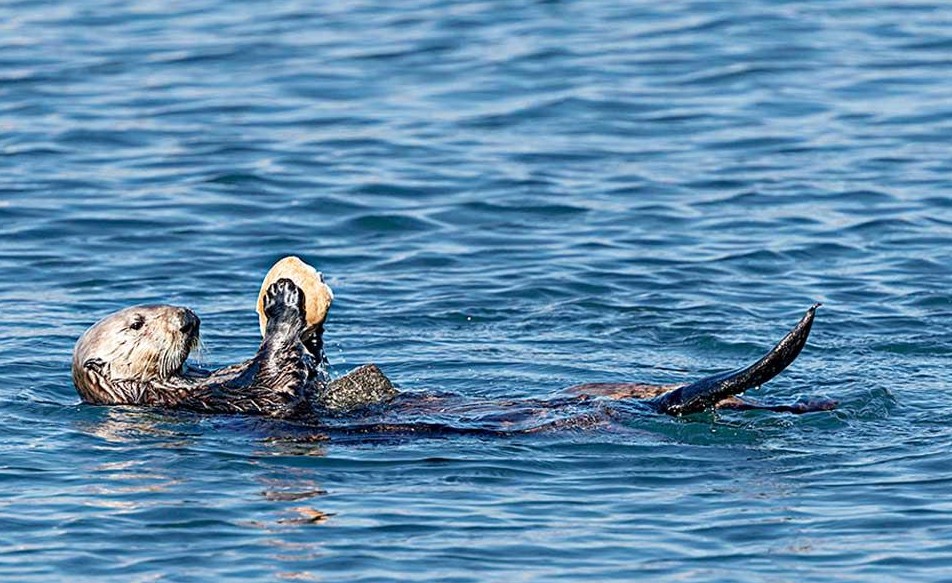
What Do Sea Otters Eat? It’s a question many people ask after watching these playful marine mammals float on their backs, cracking shells with surprising skill. Despite their cute appearance, sea otters are highly efficient hunters with a diet that plays a crucial role in maintaining ocean ecosystems.
At first glance, they may seem like gentle creatures drifting lazily in kelp forests, but beneath that calm surface lies a powerful feeding strategy. Sea otters must consume large amounts of food every day to fuel their high metabolism, making them some of the most active foragers in the animal kingdom.
In this guide, we’ll take a deep dive into the fascinating diet of sea otters—from their favorite foods to their unique hunting techniques and the vital ecological role they play in marine environments.
What Are Sea Otters?
The Sea Otter is a marine mammal found along the coasts of the North Pacific Ocean. Unlike most marine mammals, sea otters do not have a thick layer of blubber. Instead, they rely on dense fur and a high-calorie diet to stay warm.
Key characteristics:
- Thickest fur of any animal
- Webbed feet for swimming
- Use of tools (rare among animals)
- Float on their backs while eating
These traits make them uniquely adapted to their aquatic lifestyle—and their diet reflects this specialization.
What Do Sea Otters Eat? (Quick Overview)
Sea otters are carnivorous marine predators that primarily feed on hard-shelled animals.
Their main diet includes:
- Sea urchins
- Crabs
- Clams
- Mussels
- Snails
- Fish (occasionally)
- Octopus
They are known for their ability to crack open shells using rocks, making them one of the few animals that regularly use tools.
Shellfish: The Core of Their Diet
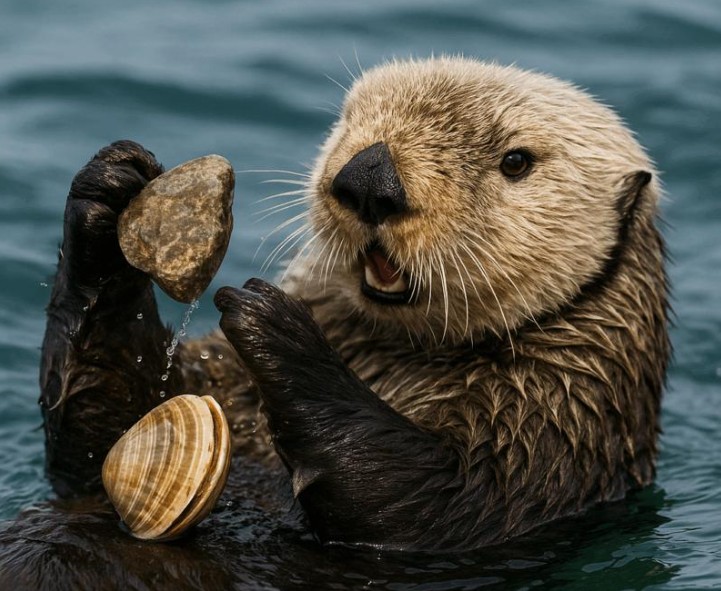
Shellfish make up the majority of a sea otter’s diet.
Common shellfish eaten:
- Clams
- Mussels
- Abalone
- Snails
Sea otters often:
- Dive to the ocean floor
- Collect prey in loose skin folds under their arms
- Return to the surface to eat
Their strong teeth and tool use allow them to access food that many predators cannot.
Sea Urchins: A Critical Food Source
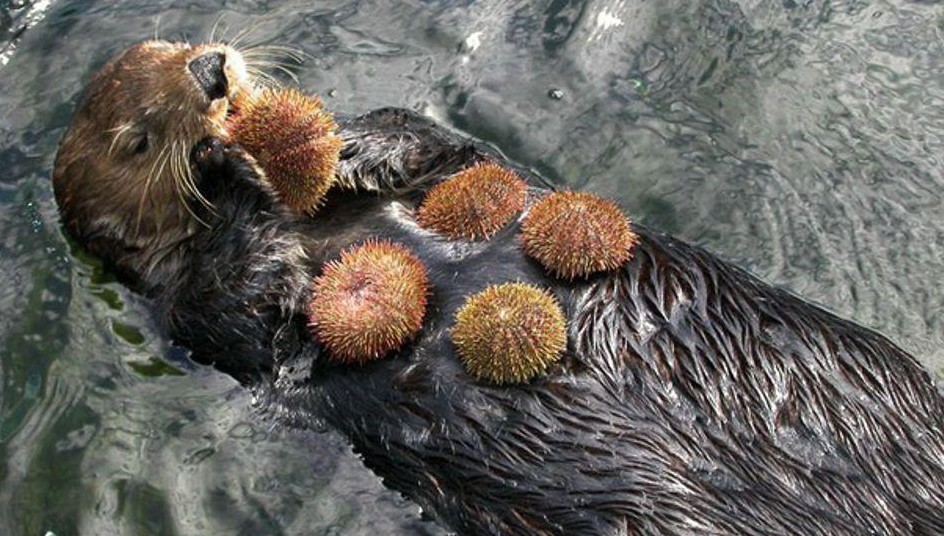
Sea urchins are one of the most important foods for sea otters.
Why they matter:
- High in nutrients
- Easy to find in kelp forests
- Abundant in many regions
By eating sea urchins, sea otters help protect kelp forests. Without otters, urchin populations can explode and destroy these vital ecosystems.
Crabs and Other Crustaceans
Crabs and other crustaceans are another major part of their diet.
Includes:
- Crabs
- Shrimp
- Lobsters (rarely)
These prey provide essential protein and fat, supporting the otter’s energy needs.
Do Sea Otters Eat Fish?
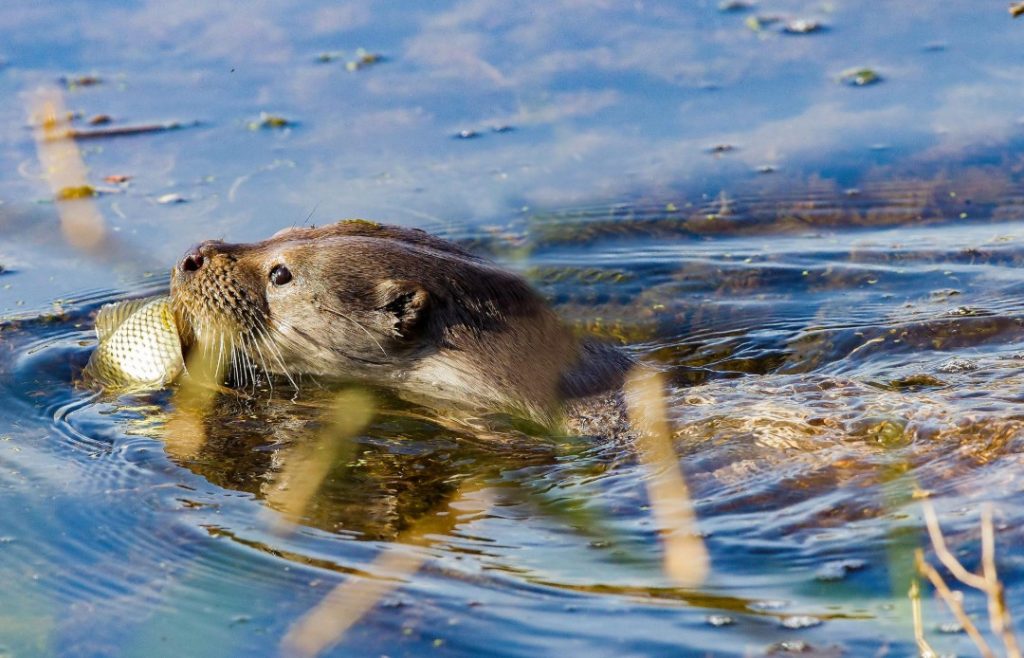
es—but fish are not their primary food source.
Sea otters prefer:
- Slow-moving prey
- Easy-to-catch animals
Fish require more energy to catch, so otters usually eat them only when necessary.
How Much Do Sea Otters Eat?
Sea otters have one of the highest metabolisms of any marine mammal.
Daily intake:
- Up to 25–30% of their body weight
- Around 5,000–8,000 calories per day
This constant need for food explains why they spend so much time foraging.
Hunting Techniques and Tool Use
Sea otters are famous for their intelligence.
Their hunting process:
- Dive to the ocean floor
- Search for prey using sensitive whiskers
- Collect food in forelimb pouches
- Return to the surface
- Use rocks to crack shells
Tool use is rare in the animal kingdom, making sea otters especially unique.
Feeding Behavior in Kelp Forests
Sea otters are closely tied to kelp forest ecosystems.
Why kelp forests matter:
- Provide shelter
- Support prey populations
- Offer protection from predators
Otters often wrap themselves in kelp to avoid drifting while eating.
Seasonal and Regional Diet Variations
Sea otter diets vary based on location.
Coastal differences:
- Alaska: More fish and large shellfish
- California: More sea urchins and crabs
Seasonal changes:
- Adjust diet based on availability
- Focus on high-calorie foods when needed
What Do Baby Sea Otters Eat?
Baby sea otters (pups) depend entirely on their mothers.
Early diet:
- Mother’s milk
Later stages:
- Small pieces of shellfish
- Soft prey
Mothers teach pups how to hunt and use tools—a critical survival skill.
Why Sea Otters Are Important to Ecosystems
Sea otters are considered a keystone species.
Their impact:
- Control sea urchin populations
- Protect kelp forests
- Support biodiversity
Without sea otters, entire marine ecosystems can collapse.
Threats to Their Food Supply
Sea otters face several challenges:
- Pollution
- Overfishing
- Climate change
- Habitat loss
A decline in prey can directly impact their survival.
Fun Facts About Sea Otter Diets
- They use rocks as tools
- They eat while floating on their backs
- They can store food in skin pockets
- They groom constantly to maintain insulation
FAQs
What is a sea otter’s favorite food?
Sea urchins and shellfish are among their favorites.
Do sea otters eat every day?
Yes, they must eat daily to survive.
Are sea otters dangerous?
No, they are generally not dangerous to humans.
Do sea otters drink water?
They get most of their water from food.
How do sea otters open shells?
They use rocks as tools to break them open.
Conclusion
So, What Do Sea Otters Eat?
Their diet is as fascinating as their behavior—ranging from shellfish and sea urchins to crabs and occasional fish. These adorable marine hunters are not just cute; they are essential players in maintaining healthy ocean ecosystems.
By understanding what sea otters eat, we gain a deeper appreciation for their role in nature—and why protecting them is so important.