
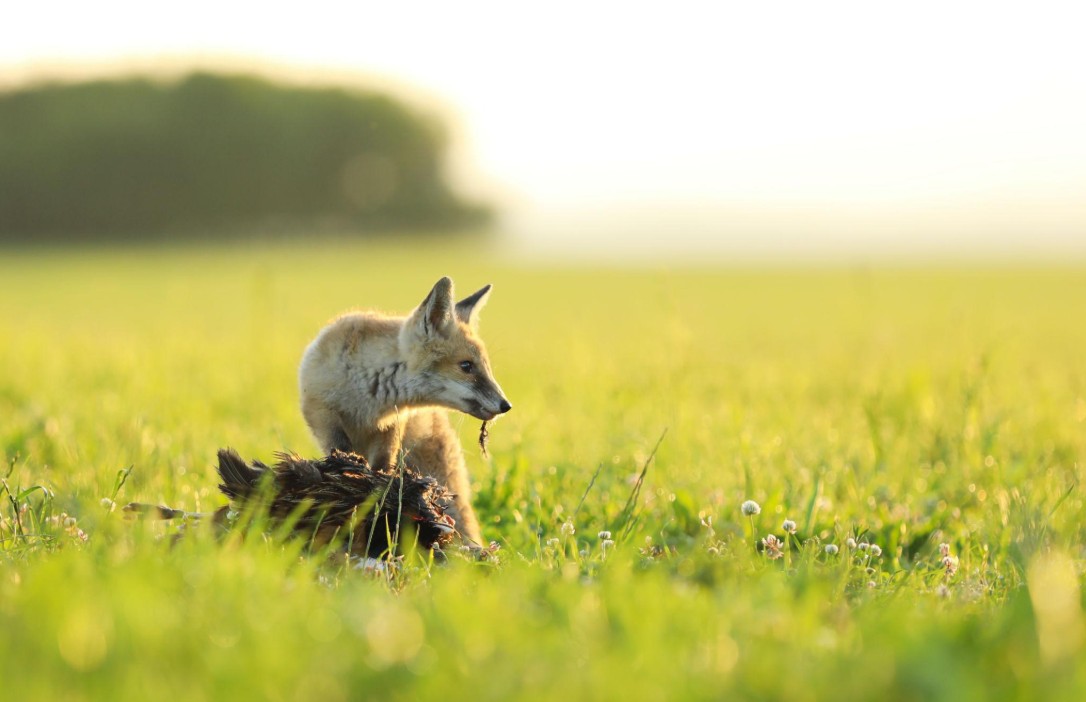
What Do Foxes Eat? A Complete Guide to the Diet of Foxes

Foxes are clever, adaptable, and found in many parts of the world—from forests and grasslands to busy cities. But one question often sparks curiosity: what do foxes eat?
The answer might surprise you. Foxes are not picky eaters—they’re opportunistic omnivores, meaning they eat both animals and plants depending on what’s available.
In this complete guide, you’ll discover everything about a fox’s diet, including what they hunt, how their eating habits change with the seasons, and what they eat in urban areas.
🍽️ What Do Foxes Eat? (Quick Answer)
Foxes eat a wide variety of foods, including:
- Small mammals (like rodents and rabbits)
- Birds and eggs
- Insects
- Fruits and berries
- Amphibians and reptiles
- Human food scraps (in cities)
Their diet changes based on habitat, season, and food availability.
🐭 Primary Foods Foxes Eat
1. Small Mammals (Main Food Source)
This is the core of a fox’s diet, especially for species like the red fox.
Common prey includes:
- Mice
- Voles
- Rats
- Rabbits
Foxes use their sharp hearing and quick pounce to catch prey—even under snow!
2. Birds and Eggs
Foxes will eat:
- Ground-nesting birds
- Bird eggs
- Young chicks
They often raid nests when the opportunity arises.
3. Insects
Insects are an easy and abundant food source:
- Beetles
- Grasshoppers
- Crickets
These are especially important in warmer months.
🍓 Plant-Based Foods Foxes Eat
4. Fruits and Berries
Foxes enjoy sweet foods like:
- Berries (blackberries, blueberries)
- Apples
- Grapes
These provide quick energy and are common in summer and fall.
5. Vegetation and Seeds
Although less common, foxes may also eat:
- Grass
- Seeds
- Roots
This usually happens when other food is scarce.
🐸 Other Foods Foxes Eat
Foxes are highly opportunistic and will also eat:
- Frogs and toads
- Lizards and snakes
- Fish (near water sources)
- Carrion (dead animals)
They waste very little and take advantage of almost any food source.
🍂 Seasonal Diet of Foxes
Fox diets change throughout the year.
🌸 Spring & Summer
- Insects
- Birds and eggs
- Small mammals
- Fruits
This is a time of abundance, especially when raising young.
🍁 Fall
- Fruits and berries
- Rodents
- Carrion
Foxes eat more to build fat reserves for winter.
❄️ Winter
- Rodents (main food)
- Carrion
- Limited plant material
Foxes rely heavily on hunting skills during harsh conditions.
🏙️ What Do Foxes Eat in Urban Areas?
Urban foxes have adapted to city life and often eat:
- Garbage scraps
- Pet food left outside
- Small pets (rare but possible)
- Garden fruits
This adaptability is why foxes thrive even in large cities.
🦴 How Foxes Hunt
Foxes are among the most intelligent and efficient hunters in the animal kingdom. Their success doesn’t come from size or strength—but from precision, patience, and highly developed senses. Here’s a deeper look at how they hunt:
🎧 1. Exceptional Hearing: Finding Prey You Can’t See
Foxes rely heavily on their acute sense of hearing—arguably their greatest hunting advantage.
- They can hear small animals like mice and voles moving under thick grass or even beneath snow
- Their ears rotate independently to pinpoint the exact location of sound
- They can detect prey from dozens of meters away
In winter, this ability becomes even more impressive. A fox can stand still, listening carefully, then suddenly leap into action based purely on sound.
🐾 2. The Famous “Mousing Pounce”
One of the most iconic fox behaviors is the high pounce, often called “mousing.”
Here’s how it works:
- The fox freezes and listens
- It carefully calculates the prey’s position
- It leaps high into the air
- It dives headfirst into the ground or snow
This technique is incredibly precise. Studies suggest foxes may even use the Earth’s magnetic field to improve their accuracy when pouncing—an astonishing natural ability.
🌅 3. Crepuscular Hunting (Dawn & Dusk)
Foxes are crepuscular, meaning they are most active:
- Early morning (dawn)
- Late evening (dusk)
Why this timing works:
- Many prey animals are active at these hours
- Lower light levels give foxes an advantage
- Reduced human activity makes hunting safer
However, foxes are highly adaptable and may hunt at night—or even during the day—depending on food availability.
🌾 4. Stealth and Patience
Foxes don’t just rely on speed—they use stealth and strategy.
- They move slowly and silently through grass
- Their reddish or gray fur provides natural camouflage
- They stalk prey carefully before striking
Sometimes, a fox will watch a potential meal for several minutes before making a move.
⚡ 5. Quick Reflexes and Sharp Teeth
Once the moment is right, a fox acts instantly:
- Fast reaction time allows them to catch agile prey
- Sharp teeth deliver a quick, efficient bite
- They often kill prey within seconds
This efficiency helps conserve energy—crucial for survival in the wild.
🧠 6. Smart and Opportunistic Behavior
Foxes are not just hunters—they are problem solvers.
- They remember locations where food is abundant
- They return to successful hunting spots
- They adapt techniques based on environment
In urban areas, this intelligence allows them to switch from hunting to scavenging when necessary.
⚠️ Do Foxes Attack Humans?
Foxes generally do not pose a threat to humans.
- They are shy and avoid people
- Attacks are extremely rare
- They may approach if used to human food
Avoid feeding wild foxes to keep them behaving naturally.
🧠 Why Fox Diet Matters
Understanding what foxes eat helps:
- Protect pets and poultry
- Manage wildlife interactions
- Appreciate their role in controlling rodent populations
Foxes are important for maintaining ecological balance.
🦊 Final Thoughts
So, what do foxes eat?
Foxes are flexible, intelligent feeders that consume everything from small mammals and birds to fruits and insects. Their ability to adapt their diet to almost any environment is one of the reasons they are so successful worldwide.
Whether in the wild or in urban areas, foxes play a vital role in ecosystems—and their diverse diet is the key to their survival.
❓ FAQs About What Foxes Eat
1. What is a fox’s favorite food?
Small mammals like mice and rabbits are their top choice.
2. Do foxes eat cats or dogs?
Very rarely—only small, vulnerable animals.
3. Do foxes eat fruit?
Yes, especially berries and apples.
4. Are foxes carnivores or omnivores?
They are omnivores.
5. Do foxes eat garbage?
Yes, especially in urban areas.