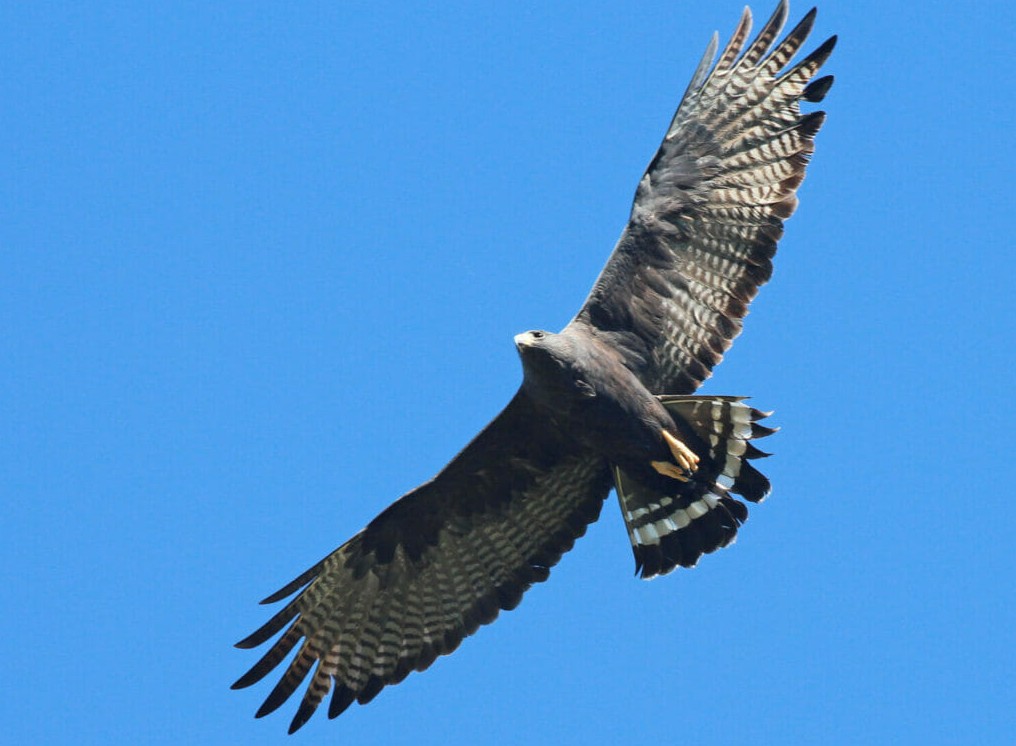
Why Do Hawks Circle? The Fascinating Science Behind This Soaring Behavior

If you’ve ever looked up at the sky and spotted a hawk gliding in slow, effortless circles, you’re not alone in wondering what’s going on. It’s one of the most iconic sights in nature—majestic, calm, and almost hypnotic. But this behavior isn’t random or just for show.
So, why do hawks circle?
The answer lies in a fascinating mix of physics, survival strategy, and energy efficiency. From riding invisible air currents to scanning the ground for prey, hawks have mastered the art of circling for multiple reasons. After years of birdwatching, I’ve come to appreciate just how intelligent and efficient this behavior really is.
In this guide, we’ll break down everything you need to know—from thermals and hunting techniques to migration patterns and what circling hawks can tell you about the environment.
What Does It Mean When Hawks Circle?
At its core, circling behavior in hawks is all about maximizing efficiency. Hawks are large birds with broad wings, and flying continuously by flapping would consume a huge amount of energy. Instead, they rely on a smarter method—soaring.
Circling allows hawks to:
- Gain altitude without flapping
- Conserve energy during long flights
- Scan large areas for prey
- Travel long distances efficiently
This behavior is especially common during warm days when air currents are strong.
The Science Behind Circling: Thermals Explained
What Are Thermals?
Thermals are columns of rising warm air created when the sun heats the Earth’s surface unevenly. Dark surfaces like asphalt or plowed fields heat up faster than forests or water, causing warm air to rise in specific areas.
Hawks take advantage of these invisible “elevators” in the sky.
How Hawks Use Thermals
When a hawk finds a thermal, it begins to circle within it. As the warm air rises, it lifts the bird higher and higher—without the need for flapping its wings.
This is why you’ll often see:
- Multiple hawks circling together
- Birds gaining altitude in wide spirals
- Little to no wing movement
Once they reach a desired height, they glide off to another location, often searching for the next thermal.
Energy Efficiency: Why Circling Saves Energy
Flying is expensive—especially for large birds. Constant flapping burns a lot of calories, which means more hunting is required.
By circling in thermals:
- Hawks reduce energy expenditure
- They can stay airborne for hours
- They increase survival chances, especially when food is scarce
This energy-saving technique is one of the key reasons hawks are such successful predators.
Circling to Hunt: A Bird’s-Eye Advantage
Circling isn’t just about staying in the air—it’s also a powerful hunting strategy.
Better Visibility
From high above, hawks get a wide, unobstructed view of the ground. This helps them spot:
- Small mammals like mice and voles
- Birds
- Reptiles
- Insects
Strategic Positioning
By circling, hawks can:
- Track movement below
- Adjust their position before diving
- Plan the most efficient attack
Once prey is spotted, the hawk may dive at high speed in a controlled descent.
Why Do Hawks Circle in Groups?
Have you ever seen multiple hawks circling together? This behavior can look almost coordinated—but it’s not teamwork in the way you might think.
Shared Thermals
The most common reason is simple:
They’re using the same thermal.
Thermals can support multiple birds at once, so hawks (and even vultures) often gather in the same rising air column.
Migration Clues
During migration seasons, groups of circling hawks—sometimes called a “kettle”—are very common.
These groups:
- Help birds locate thermals more easily
- Reduce energy use over long distances
- Indicate migration routes
Circling During Migration
Hawks are long-distance travelers. Some species migrate thousands of miles between breeding and wintering grounds.
Why Circling Matters in Migration
During migration, circling becomes essential:
- Birds use thermals to gain altitude
- Then glide long distances south or north
- Repeat the process throughout the journey
This method is far more efficient than constant flapping, allowing hawks to travel vast distances with minimal energy.
Do All Hawks Circle?
Not all hawks rely equally on circling behavior.
Common Circling Hawks
Species that often circle include:
- Red-tailed hawks
- Broad-winged hawks
- Swainson’s hawks
These birds are built for soaring, with broad wings and strong thermal-riding abilities.
Less Frequent Circlers
Some hawks, especially those that hunt in forests, rely more on:
- Short bursts of flight
- Perch-and-wait hunting
These species may circle less often because thermals are harder to use in dense tree cover.
Hawks vs. Other Birds: Who Else Circles?
Hawks aren’t the only birds that circle in the sky.
Other Soaring Birds
You might also see:
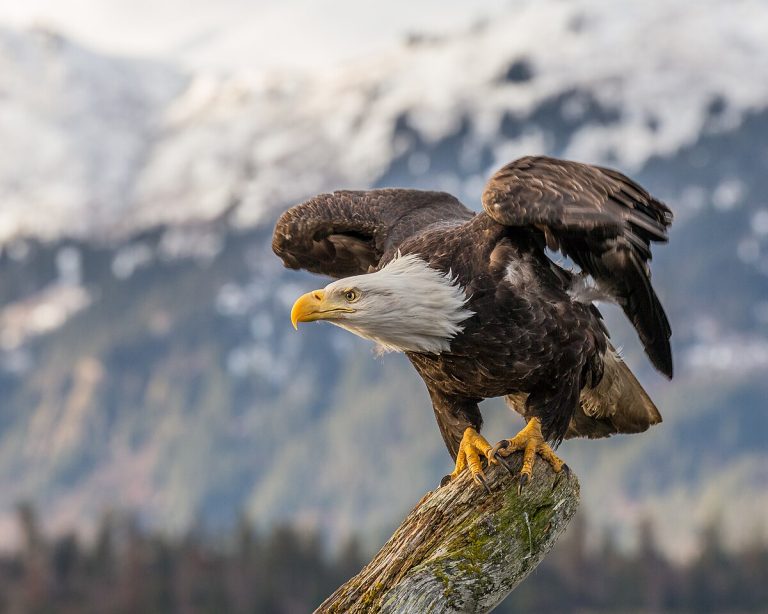
- Eagles
- Vultures
- Falcons (less commonly)
How to Tell Them Apart
- Hawks: Broad wings, steady circles
- Vultures: Wobblier flight, often in large groups
- Eagles: Larger, slower wingbeats
Learning these differences can make birdwatching even more rewarding.
What Time of Day Do Hawks Circle Most?
Timing matters when it comes to circling behavior.
Peak Activity Times
Hawks are most likely to circle:
- Late morning to early afternoon
- On sunny days
- When thermals are strongest
Early mornings and late evenings typically have weaker thermals, so circling is less common.
Weather Conditions That Affect Circling
Weather plays a huge role in whether you’ll see hawks circling.
Ideal Conditions
- Sunny skies
- Light winds
- Warm temperatures
Poor Conditions
- Overcast skies
- Rain
- Strong winds
Without strong thermals, hawks must rely more on flapping flight, which reduces circling behavior.
Is Circling Ever a Sign of Danger?
Sometimes people wonder if circling hawks indicate danger or unusual activity.
The Truth
In most cases, circling is completely normal and harmless. It simply means:
- The bird is riding thermals
- Searching for food
- Traveling efficiently
However, if a hawk circles repeatedly over a specific spot, it may have detected prey below.
Cultural and Symbolic Meanings of Circling Hawks
Throughout history, circling hawks have held symbolic meaning in various cultures.
They are often seen as symbols of:
- Vision and clarity
- Freedom
- Power and focus
While these meanings are cultural interpretations, they reflect the awe people feel when watching these birds.
How to Observe Circling Hawks Like a Pro
Want to get better at spotting and understanding this behavior?
Tips for Birdwatchers
- Look up on warm, sunny days
- Scan open fields and valleys
- Use binoculars for detail
- Watch for groups forming (especially in fall migration)
What to Notice
- Wing shape
- Flight pattern
- Group behavior
The more you observe, the easier it becomes to identify species and behaviors.
FAQs
Why do hawks circle instead of flying straight?
Hawks circle to ride thermals, which helps them gain altitude without using much energy.
Do hawks circle before attacking?
Sometimes. Circling helps them locate prey and position themselves before a dive.
Why are there so many hawks circling together?
They are likely sharing the same thermal or migrating together in a group called a kettle.
Do hawks circle at night?
No, most hawks are diurnal and rely on daytime thermals, so circling happens during the day.
Is it rare to see hawks circling?
Not at all. It’s a common behavior, especially in warm weather and during migration seasons.
Conclusion
So, why do hawks circle?
It’s a brilliant combination of science and survival. By using thermals, hawks conserve energy, gain a better view of their surroundings, and travel long distances with ease. What might look like a simple, graceful motion is actually a highly efficient strategy perfected over millions of years.
The next time you see a hawk circling overhead, you’ll know exactly what’s happening—it’s not just flying, it’s working smarter, not harder.