What Is a Group of Rabbits Called? Fascinating Facts About Rabbit Social Life

Rabbits are among the most beloved animals in the world. With their soft fur, twitching noses, and gentle personalities, they capture the hearts of animal lovers everywhere. But beyond their adorable appearance, rabbits have a surprisingly complex social life.
One question many people ask is: what is a group of rabbits called?
The answer may surprise you. Just like other animals—such as a flock of birds or a pride of lions—rabbits also have specific terms used to describe their groups.
In this guide, you’ll learn:
- The correct name for a group of rabbits
- Other rabbit-related collective nouns
- How rabbits live in groups in the wild
- Differences between wild and domestic rabbit behavior
- Fascinating rabbit social habits
Let’s hop right in and explore the world of rabbit communities.
What Is a Group of Rabbits Called?
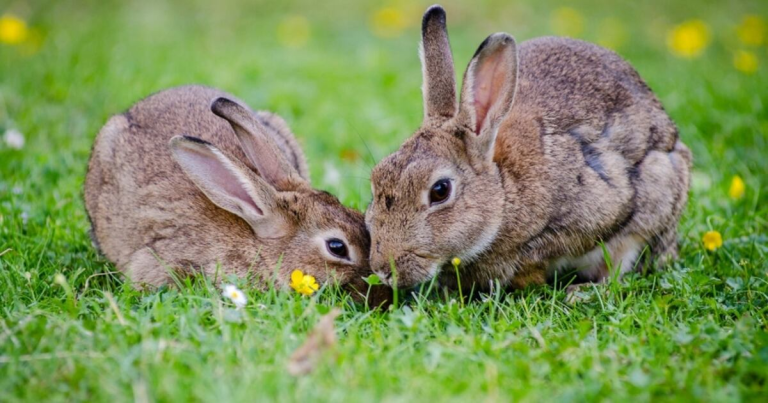
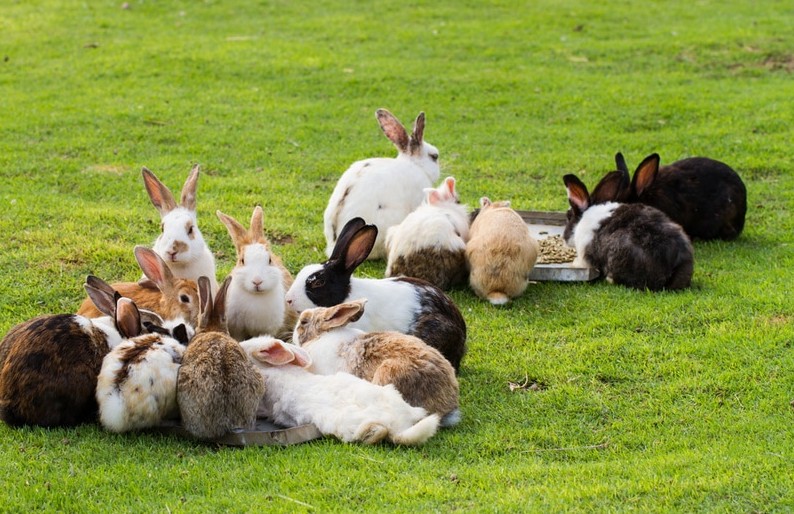
A group of rabbits is most commonly called a colony.
This term is widely used because rabbits naturally live together in organized social communities, especially in the wild.
However, there are also a few other terms sometimes used to describe rabbit groups:
- Colony – the most common and scientifically accurate term
- Herd – occasionally used for large groups of rabbits
- Nest – refers specifically to baby rabbits together
- Warren – the system of underground tunnels where rabbits live
Among these, colony is the term most often used when referring to a group of rabbits living together.
Why Is It Called a Rabbit Colony?
The word colony is used because rabbits live in structured social groups that share the same territory and living space.
Wild rabbits typically build elaborate underground tunnel systems called warrens. These warrens contain:
- Sleeping chambers
- Nesting areas
- Escape tunnels
- Multiple entrances for safety
Within a warren, dozens of rabbits may live together. This cooperative living arrangement is why the term colony fits so well.
Much like ants or prairie dogs, rabbits form communities that help them survive predators and harsh environmental conditions.
Understanding Rabbit Warrens
While colony refers to the group of rabbits, the place where they live is called a warren.
A warren is an underground network of tunnels and chambers dug into the soil.
These tunnels can be surprisingly complex, sometimes stretching over 100 feet long and containing several rooms.
Features of a Rabbit Warren
Typical rabbit warrens include:
- Multiple entrances for quick escapes
- Separate nesting chambers for mothers
- Resting areas for adult rabbits
- Hidden tunnels to avoid predators
Living underground helps rabbits stay safe from predators such as foxes, hawks, and coyotes.
It also protects them from extreme weather.
What Is a Group of Baby Rabbits Called?
Baby rabbits have their own special terminology.
A group of baby rabbits is called a nest or sometimes a litter.
Baby rabbits themselves are called kits or kittens.
A typical rabbit litter can contain 4 to 12 babies, though some litters may be larger.
Mother rabbits create soft nests using:
- Grass
- Leaves
- Twigs
- Fur pulled from their own bodies
This warm nest protects the young rabbits during their earliest days of life.
Rabbit Social Behavior in the Wild
Rabbits are highly social animals that rely on group living for survival.
In the wild, rabbits interact with each other in many interesting ways.
Hierarchies
Within a rabbit colony, there is usually a social hierarchy.
Some rabbits are more dominant than others, particularly when it comes to:
- Access to food
- Territory
- Mating opportunities
Dominant rabbits often claim the best areas within the warren.
Communication
Rabbits communicate using a variety of signals.
These include:
- Body language
- Ear positioning
- Scent marking
- Thumping their hind legs
A loud hind-leg thump is often used to warn the colony about predators.
When one rabbit thumps, others quickly retreat to the safety of the warren.
Grooming
Mutual grooming is another important social behavior.
Rabbits groom each other to:
- Strengthen social bonds
- Maintain hygiene
- Reduce stress
This behavior is common among rabbits that trust each other.
Wild Rabbits vs Domestic Rabbits
While wild rabbits live in large colonies, domestic rabbits often behave differently.
Wild Rabbits
Wild rabbits usually live in:
- Large social groups
- Complex warrens
- Open grasslands or meadows
Their group structure helps them detect predators and find food efficiently.
Domestic Rabbits
Domestic rabbits can also enjoy companionship, but they don’t always form large colonies like wild rabbits.
Instead, pet rabbits typically live:
- Alone
- In pairs
- In small bonded groups
When introducing domestic rabbits to each other, careful supervision is important because they can be territorial.
Famous Rabbit Species That Live in Colonies
Not all rabbit species live in large groups, but many do.
Here are some well-known examples.
European Rabbit
The European rabbit is the species most famous for colony living.
It builds extensive warrens and often forms large social groups.
Interestingly, most domestic rabbits are descended from this species.
Cottontail Rabbits
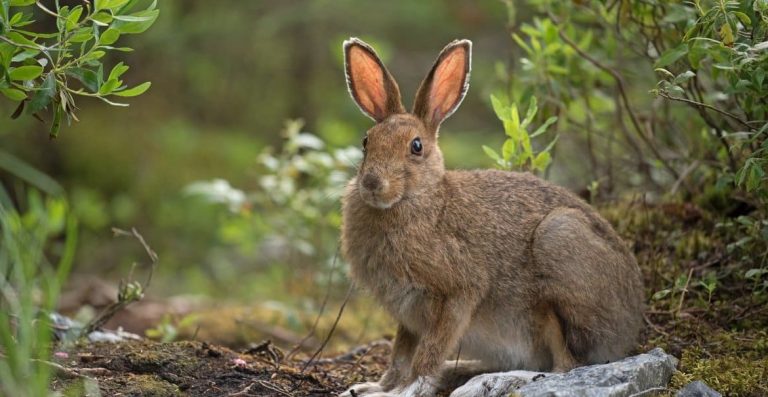
Cottontail rabbits are common in North America.
Unlike European rabbits, they are usually more solitary and do not build elaborate warrens.
Instead, they prefer shallow nests called forms hidden in grass.
Pygmy Rabbits
Pygmy rabbits are among the smallest rabbit species.
They live in burrows and sometimes share territories with other rabbits.
Why Rabbits Live in Groups
Group living offers several advantages for rabbits.
Predator Protection
Rabbits are prey animals, meaning many predators hunt them.
Living in groups increases the chance that one rabbit will spot danger.
When a predator approaches, rabbits quickly warn the others.
Cooperative Digging
Building a warren takes time and effort.
Living together allows rabbits to:
- Expand tunnels faster
- Maintain entrances
- Improve shelter quality
Warmer Shelter
Multiple rabbits sharing a warren helps retain warmth during colder seasons.
This is especially important for young rabbits.
Fun Facts About Rabbit Groups
Here are some interesting facts about rabbit communities.
Rabbits can live in colonies of dozens of individuals.
Some large rabbit warrens house more than 50 rabbits at once.
Rabbits are crepuscular animals.
They are most active at dawn and dusk, when predators are less active.
Rabbit warrens may last for generations.
Some warrens remain in use for decades as new rabbits inherit the tunnels.
Rabbits have nearly 360-degree vision.
This wide field of vision helps them detect predators quickly.
Other Animal Group Names Similar to Rabbits
If you enjoy learning animal group names, rabbits are just one example of fascinating collective nouns.
Here are a few others:
- A fluffle of rabbits (a playful, informal term sometimes used online)
- A murder of crows
- A parliament of owls
- A pride of lions
- A school of fish
Animal group names often come from historical language traditions and sometimes reflect the animal’s behavior.
Final Thoughts
So, what is a group of rabbits called?
The most accurate and widely used term is a colony of rabbits.
These colonies often live together in underground tunnel systems known as warrens, where they raise their young, communicate with each other, and work together to stay safe from predators.
Rabbits may look small and gentle, but their social systems are surprisingly sophisticated. From complex underground homes to cooperative warning systems, rabbit colonies are remarkable examples of teamwork in the animal kingdom.
Whether you’re a wildlife enthusiast, a student, or simply curious about animals, understanding how rabbits live together offers a fascinating glimpse into the hidden world beneath our fields and forests.
FAQs
What is a group of rabbits called?
A group of rabbits is called a colony. This term describes rabbits living together in a shared territory or underground warren.
What is a group of baby rabbits called?
A group of baby rabbits is called a nest or litter, and the babies themselves are known as kits or kittens.
What is a rabbit’s home called?
A rabbit’s underground tunnel system is called a warren. These tunnels provide shelter and protection from predators.
Do rabbits always live in groups?
Not always. Some species, such as European rabbits, live in large colonies, while others, like cottontail rabbits, are more solitary.
What is a fluffle of rabbits?
A fluffle is a humorous or informal term sometimes used online to describe a group of rabbits. The scientifically accepted term remains colony.