What Do Skunks Eat? 20 Foods Skunks Can Eat and How to Feed Them Safely

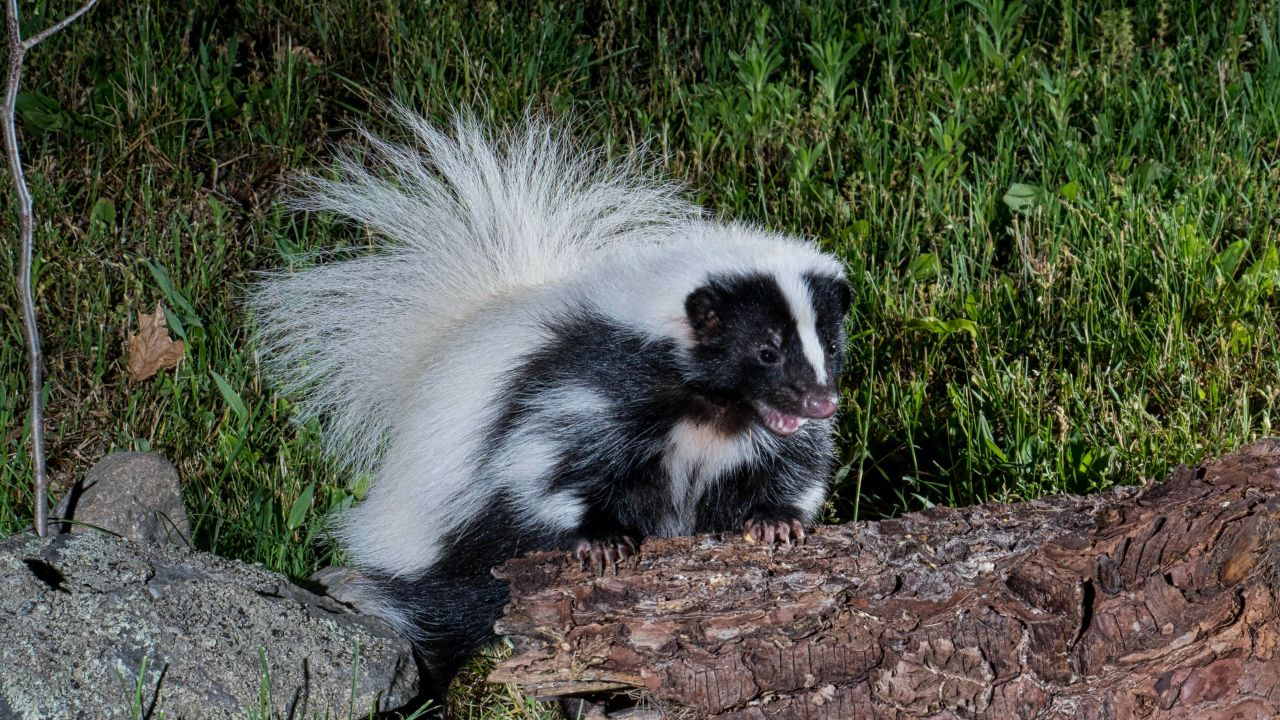
Skunks are nocturnal mammals recognized for their black-and-white coloring and notorious spray. Despite their reputation, skunks are beneficial creatures, helping control pests and maintain ecosystem balance.
Understanding what skunks eat is essential for homeowners, gardeners, and wildlife enthusiasts. Knowing their diet helps prevent unwanted interactions, protect gardens and pets, and appreciate the ecological benefits skunks provide.
This guide will detail 20 specific foods skunks eat, explain why their diet matters, share safe feeding practices, highlight common mistakes, and provide expert tips for observing skunks responsibly.
Quick Answer Box
Skunks are omnivores that consume insects, small mammals, birds, eggs, fruits, vegetables, nuts, carrion, and occasionally human food. Their diet varies seasonally and by habitat. In urban areas, skunks may eat pet food or garbage, but their natural diet focuses on insects and small animals.
Table of Contents
- What Do Skunks Eat?
- Why Skunk Diet Matters
- How to Feed or Avoid Feeding Skunks Safely
- Mistakes to Avoid
- FAQs
- Expert Notes / Pro Tips
- Data / Statistics / References
- Conclusion
What Do Skunks Eat?
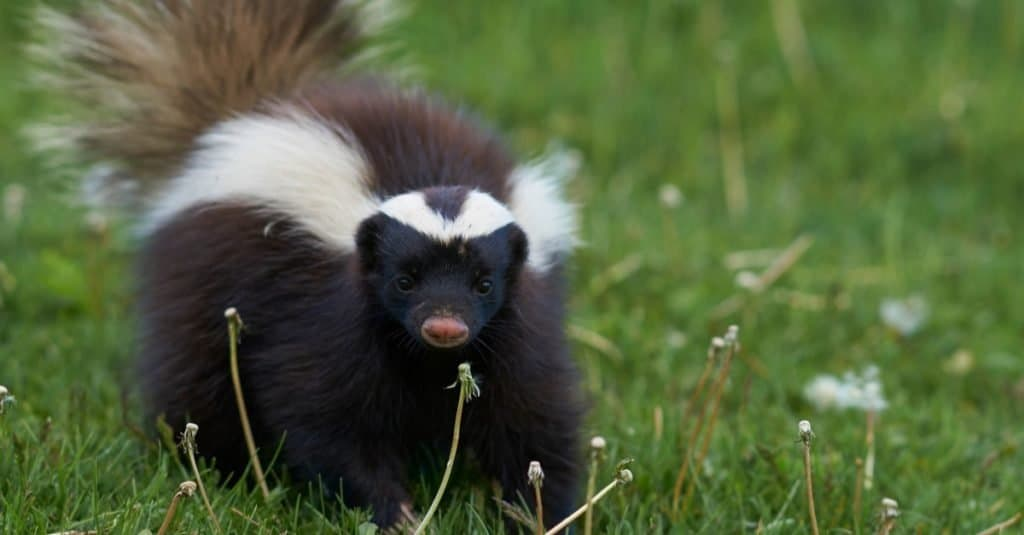
Skunks are opportunistic omnivores, meaning they eat a wide variety of foods depending on availability, habitat, and season. Their diet consists of at least 20 common foods, including protein-rich prey, fruits, vegetables, nuts, and occasionally human-related foods. This dietary flexibility allows skunks to thrive in forests, fields, and suburban areas, while also playing a vital role in controlling pests and supporting local ecosystems.
Protein Sources – Insects and Small Animals
Skunks rely heavily on protein sources, which provide the energy needed for nocturnal activity and seasonal growth.
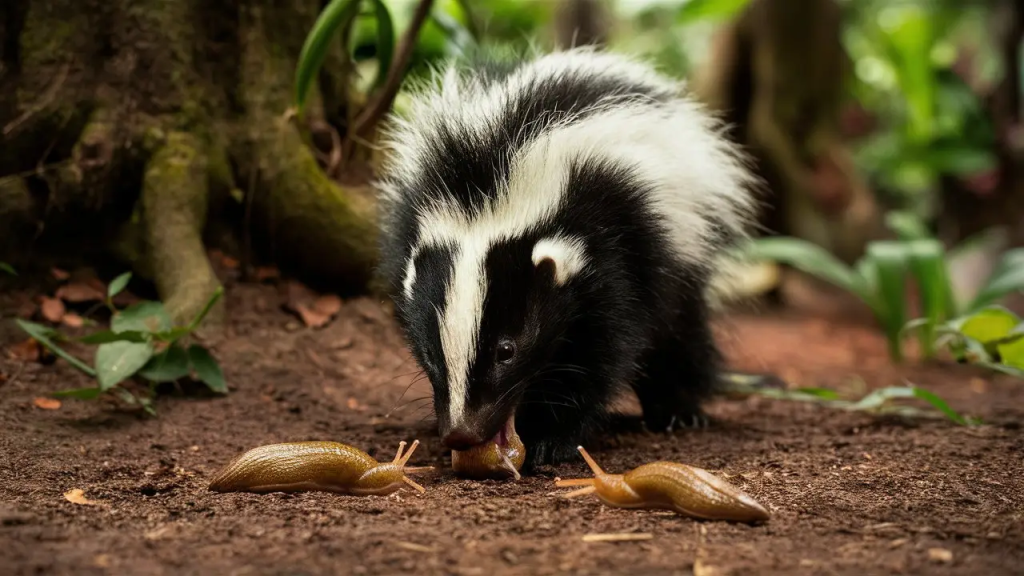
- Beetles – Ground-dwelling beetles and their larvae are a major part of skunks’ protein intake. By digging through soil to uncover larvae, skunks also aerate the ground naturally.
- Grasshoppers – Abundant in spring and summer, grasshoppers supply energy and essential nutrients. Skunks are adept at catching them during nighttime foraging.
- Crickets – Another nocturnal prey, crickets are easy for skunks to locate and consume, especially in grassy areas.
- Caterpillars – Rich in fat, caterpillars are a seasonal favorite in spring when insect populations surge.
- Earthworms – Widely available in moist soil, earthworms are nutrient-dense and contribute to protein intake.
- Spiders – Occasionally consumed to add variety and extra nutrients.
- Mice – Small mammals such as mice are hunted primarily in spring and early summer, supplying protein for growth and reproduction.
- Voles – These small rodents not only provide protein but also help skunks regulate rodent populations naturally.
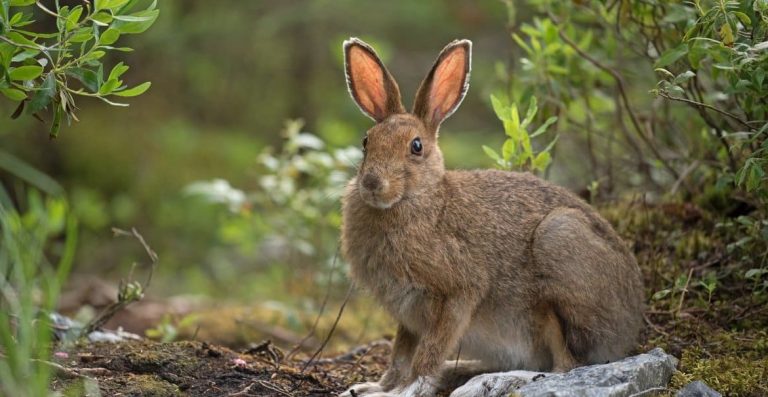
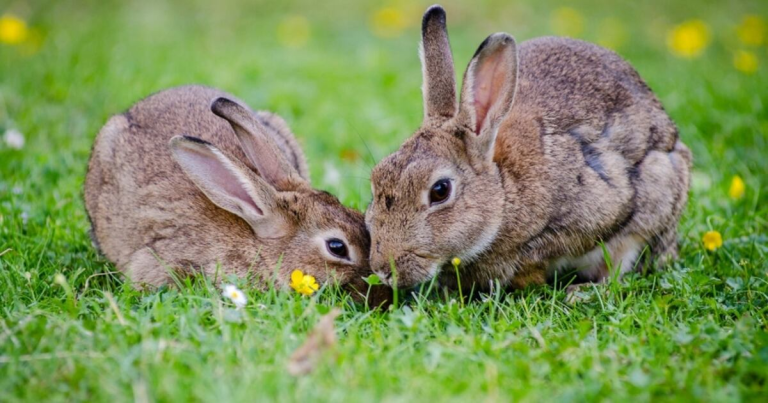
- Young rabbits – Opportunistically hunted when accessible, young rabbits offer high-fat meals that support energy needs.
- Bird eggs – Skunks consume only ground-nesting eggs, usually during spring and summer, supplementing their protein intake.
Plant-Based Foods – Fruits, Vegetables, Nuts
In addition to protein, skunks eat plant-based foods, which provide sugars, fiber, vitamins, and fats—particularly important for fall fat storage.
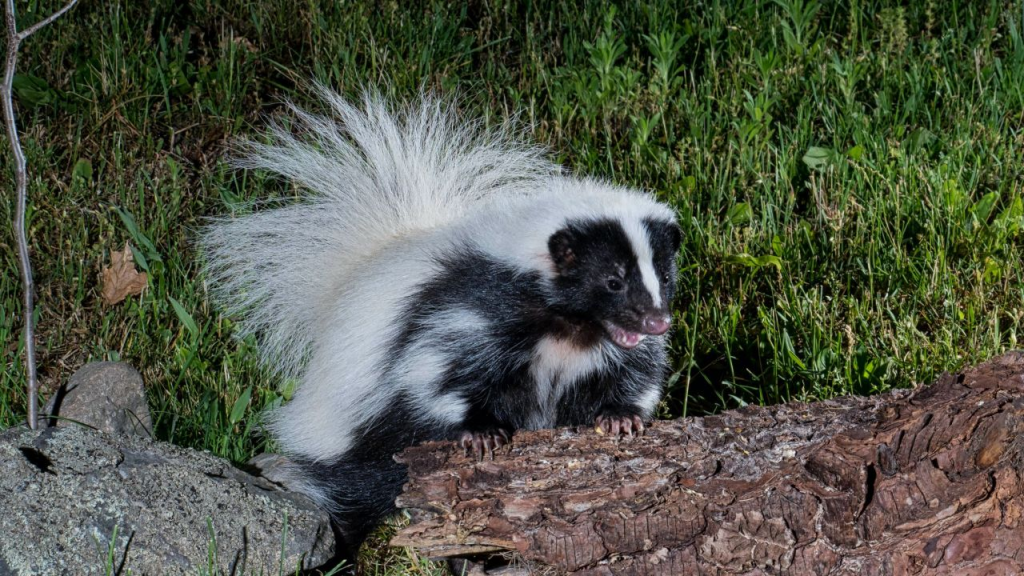
- Blackberries – Seasonal berries that provide natural sugar for energy.
- Blueberries – High in antioxidants and eaten mainly during summer months.
- Raspberries – Sweet and energy-rich, raspberries are easy to find on the ground.
- Apples – Fallen or rotting apples are preferred over fresh-picked fruit.
- Grapes – Consumed if accessible on the ground; provide hydration and energy.
- Melons – Water-rich fruits that are eaten seasonally when available.
- Pumpkins – Soft or fallen pumpkins are occasionally added to their diet, especially in the fall.
- Squash – Similar to pumpkins, skunks eat squash that is overripe or fallen.
- Nuts (acorns, walnuts) – Seasonal, fat-rich foods that support winter preparation.
- Vegetables – Cucumbers, tomatoes, or garden scraps are consumed, usually if they are fallen, rotting, or easily accessible.
Skunks are selective about which plant foods they eat, preferring fallen or decaying fruits and vegetables to avoid damaging live plants. Their diet changes seasonally, with protein-focused foods dominating in spring, while fruits, vegetables, and nuts become more important in summer and fall to build fat reserves for winter.
By understanding the 20 foods skunks commonly eat, homeowners and wildlife enthusiasts can predict skunks’ movement, reduce conflicts with pets, and support coexistence, all while appreciating their ecological role as natural pest controllers and scavengers.
Why Skunk Diet Matters
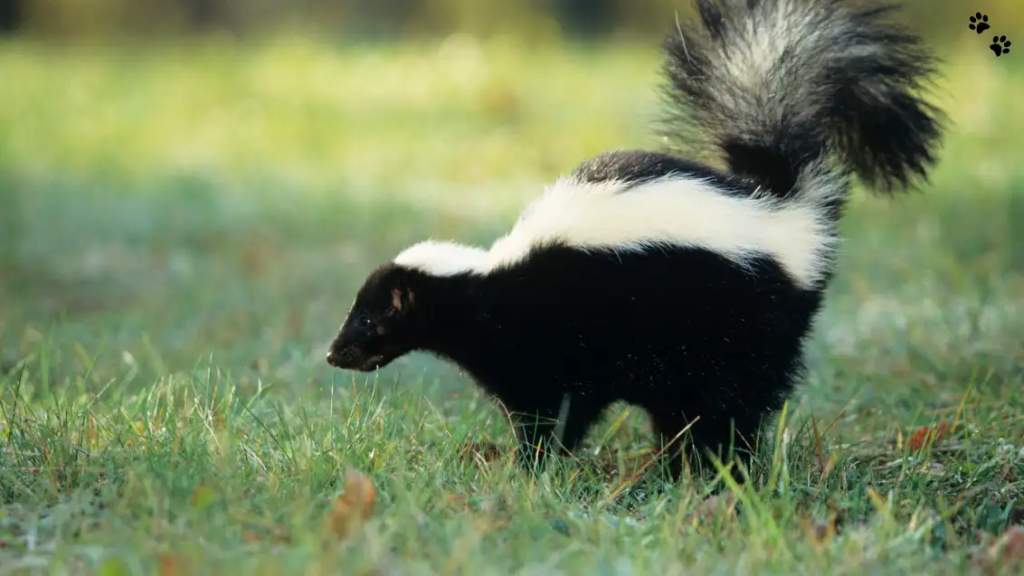
Understanding what skunks eat is more than just a matter of curiosity—it has practical implications for homeowners, gardeners, wildlife enthusiasts, and anyone living near natural or suburban areas. By studying their diet, we can better manage human-wildlife interactions, protect gardens and pets, and appreciate the ecological role skunks play.
Pest Control: One of the most important benefits of skunks’ diet is their ability to control pests naturally. Skunks consume hundreds of insects, larvae, and small rodents every season, including beetles, crickets, caterpillars, and even mice and voles. This consumption helps reduce populations of garden pests that might otherwise damage plants, vegetables, or ornamental flowers. For instance, a single skunk can dig through soil in search of beetle larvae, indirectly aerating the soil while controlling harmful insects. By leaving skunks undisturbed, homeowners can enjoy a natural form of pest management without relying on chemical pesticides.
Garden Impact: While skunks do occasionally nibble on fallen fruits, vegetables, or nuts, the damage they cause is typically minimal compared to larger wildlife like raccoons or deer. Skunks tend to forage opportunistically rather than systematically destroy plants. Gardeners can further minimize conflicts by promptly harvesting fallen produce, keeping compost and trash secure, and planting native shrubs that provide natural cover without attracting skunks to high-traffic areas.
Ecosystem Balance: Skunks play a critical role in maintaining biodiversity and ecosystem health. They act as scavengers, feeding on carrion and leftover prey, which helps prevent the spread of disease and recycles nutrients back into the soil. Additionally, by regulating small mammal and insect populations, skunks help maintain balanced ecosystems, ensuring that no single species dominates and disrupts local flora and fauna.
Pet Safety: Understanding skunks’ diet is also important for keeping pets safe. Knowing what attracts skunks—such as pet food left outdoors, fallen fruit, or accessible trash—helps prevent unintended encounters. While skunks are generally shy, they can spray defensively if threatened, so proactive measures like removing attractants and supervising pets at night can reduce conflicts.
Wildlife Observation: Finally, knowledge of skunks’ dietary habits allows wildlife enthusiasts to predict their movement and feeding patterns, improving the experience of observing skunks safely. By understanding when and where skunks forage, observers can plan safe viewing times and locations, respecting both human and animal safety. It also helps identify seasonal changes in diet, such as increased fruit consumption in the fall or reliance on insects and small mammals in spring, providing insights into broader ecological patterns.
In short, understanding the skunk diet is essential not only for coexisting safely but also for appreciating the many ecological benefits these nocturnal mammals provide. By respecting their feeding habits, humans can support local biodiversity, reduce conflicts, and enjoy a richer connection with wildlife.
How to Feed or Avoid Feeding Skunks Safely
Observing skunks can be rewarding, but feeding must be managed carefully.
Step 1: Do Not Leave Food Out at Night
- Remove pet food dishes before sunset.
- Secure trash cans with tight lids.
- Cover compost piles.
- Pick up fallen fruits or vegetables near homes.
Step 2: Manage Your Garden
- Harvest fallen produce promptly.
- Plant shrubs at yard edges for natural cover without encouraging skunks near human activity.
- Protect delicate plants with fencing or netting.
Step 3: Optional Controlled Feeding
- Offer small, natural foods like chopped berries or fruits.
- Avoid bread, sweets, or processed foods.
- Feed in a designated, safe location away from children, pets, and high-traffic areas.
- Limit feeding frequency to encourage natural foraging.
Backyard Safety Checklist
- Secure trash bins
- Pick up fallen fruits or vegetables
- Remove pet food at night
- Controlled feeding only for observation
- Educate family about not leaving food accessible
Mistakes to Avoid
While skunks are generally beneficial and shy creatures, there are several common mistakes that homeowners and wildlife enthusiasts make when interacting with them. Avoiding these errors is crucial for maintaining safety, protecting pets and gardens, and ensuring that skunks remain healthy and wild.
1. Leaving Pet Food or Garbage Accessible
One of the most common mistakes is leaving pet food dishes outdoors overnight or failing to secure trash cans. Skunks are opportunistic feeders and are easily attracted to accessible food. This can lead to frequent visits to yards, increased risk of encounters with humans and pets, and even dependency on human-provided food. To prevent this, always bring pet food indoors before sunset, use trash bins with tight-fitting lids, and avoid leaving compost piles exposed.
2. Feeding Processed Human Food
Offering bread, sweets, or processed snacks to skunks is another frequent error. These foods lack essential nutrients and can negatively impact skunks’ health over time. Additionally, feeding processed human food can encourage skunks to lose their natural foraging behaviors and become habituated to humans, increasing the likelihood of conflict. Instead, if controlled feeding is necessary for observation, provide only natural foods such as berries, chopped fruits, or occasional nuts.
3. Disturbing Dens or Burrows
Skunks are nocturnal and use dens for resting and raising their young. Disturbing these dens, whether intentionally or accidentally, can stress skunks and provoke defensive behavior, including spraying. Avoid approaching known den sites, especially during the breeding season, and never attempt to relocate or handle skunks yourself.
4. Ignoring Repeated Urban Visits
Skunks may repeatedly visit urban or suburban areas if attractants remain. Ignoring these visits and continuing to leave food or garbage accessible can lead to habituation and conflicts with neighbors. It’s important to observe patterns of skunk activity and remove potential food sources proactively to discourage repeated visits.
5. Overlooking Seasonal Diet Changes
Skunks’ dietary needs change with the seasons. In spring, they rely heavily on protein-rich insects and small mammals, while in fall, they prioritize fruits, vegetables, and nuts to build fat reserves. Failing to account for these changes may lead to misunderstandings about skunk behavior, such as increased garden activity in certain months. Recognizing seasonal patterns helps homeowners plan protective measures and enjoy observing skunks safely.
By avoiding these common mistakes, you can coexist peacefully with skunks, reduce conflicts with pets and gardens, and support the health and natural behaviors of these fascinating nocturnal mammals.
FAQs
Q: Are skunks dangerous to humans?
A: Skunks are generally shy and avoid humans. Bites are rare.
Q: Do skunks eat only insects?
A: No. Skunks are omnivores, eating insects, small mammals, birds, eggs, fruits, vegetables, and nuts.
Q: Can skunks damage gardens?
A: Occasionally, they eat fallen fruits or vegetables, but overall impact is minimal.
Q: How often do skunks eat?
A: They are mostly nocturnal, consuming multiple small meals each night.
Q: Can urban skunks survive only on human food?
A: They can, but it is unhealthy long-term and may reduce natural hunting instincts.
Q: Do skunks help control pests like ticks?
A: They primarily eat insects and larvae, indirectly helping reduce pest populations.
Expert Notes / Pro Tips
- Encourage natural foraging with native shrubs and trees.
- Observe skunks from a safe distance.
- Be consistent with feeding practices to prevent dependency.
- Educate neighbors to reduce conflicts.
Data / Statistics / References
- Skunks can consume hundreds of insects and small mammals per season.
- Seasonal diet shifts support fat storage for winter and protein needs in spring.
- Sources: US Fish & Wildlife Service, National Wildlife Federation, Journal of Mammalogy studies on skunk feeding habits.
Conclusion
Skunks are adaptable omnivores that play a critical role in controlling pests and maintaining ecosystem balance. Understanding their diet—including 20 common foods—helps homeowners coexist safely, protect gardens and pets, and appreciate their ecological benefits. Responsible backyard management, safe feeding practices, and awareness of seasonal diet changes ensure skunks remain healthy, wild, and beneficial contributors to biodiversity.