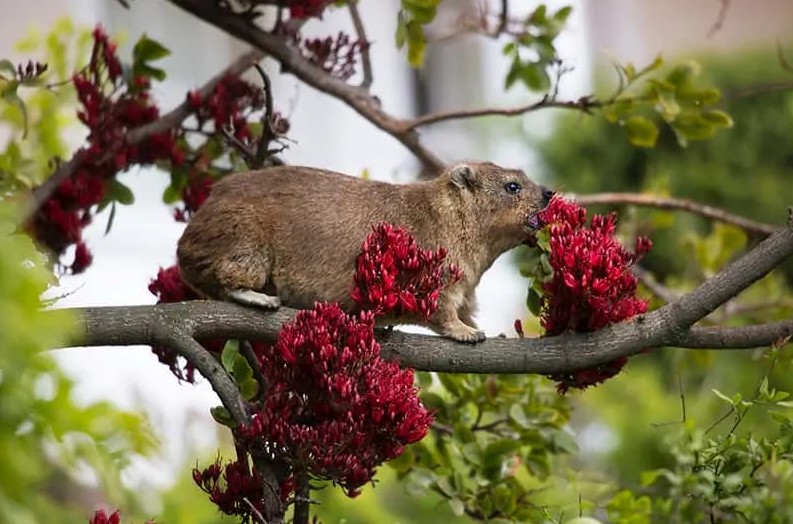
What Do Quokkas Eat? A Complete Guide to the Diet of Australia’s Cutest Animal

Few animals on Earth have captured the internet’s heart quite like the adorable Quokka. With their round faces, bright eyes, and seemingly permanent smiles, these small marsupials are often called the “happiest animals in the world.” Native to Australia, quokkas are best known for their large population on Rottnest Island, where tourists from around the world come hoping to snap the perfect selfie with them.
But while their cheerful expressions get most of the attention, many wildlife enthusiasts and curious readers ask an important question: what do quokkas eat?
Understanding the diet of quokkas is essential for appreciating how these animals survive in their natural environment. Their feeding habits are closely tied to the unique ecosystems of Western Australia, where food availability can vary dramatically with seasons and climate.
In this comprehensive guide, we’ll explore:
- What quokkas eat in the wild
- Their favorite plants and foods
- How their digestive system works
- Whether people should feed them
- What baby quokkas eat
- And how their diet helps them survive in harsh environments
By the end of this article, you’ll have a complete understanding of the fascinating diet of one of the world’s most beloved marsupials.
What Do Quokkas Eat?
The Quokka is primarily a herbivore, meaning it eats mostly plants. Their diet consists of a variety of leaves, grasses, stems, and other vegetation found in their native habitats.
Common foods quokkas eat include:
- Grasses
- Leaves from shrubs
- Succulent plants
- Bark and stems
- Native herbs
- Seeds and roots
Unlike many animals that rely on a single food source, quokkas are opportunistic feeders. They eat whatever vegetation is available in their environment, which helps them survive in areas where food supply may fluctuate.
Their ability to adapt their diet to seasonal conditions is one of the key reasons these animals thrive on Rottnest Island and surrounding coastal regions.
Where Quokkas Find Their Food
Most quokkas live in areas with dense vegetation and shrubs that provide both food and shelter.
The largest population of Quokka lives on Rottnest Island, located off the coast of Western Australia near Perth.
Typical habitats include:
- Coastal shrublands
- Forest edges
- Wetlands and swamps
- Grasslands
- Scrub forests
These habitats provide the diverse plant life that quokkas rely on for survival.
On Rottnest Island in particular, quokkas have access to salt-tolerant plants and native grasses, which form the bulk of their diet.
Favorite Plants in a Quokka’s Diet
Although quokkas eat many types of vegetation, certain plants appear to be their favorites.
Researchers studying Quokka populations have identified several plant species that frequently appear in their diet.
1. Native Grasses
Grasses make up a large portion of what quokkas eat. These plants are easy to digest and grow abundantly in their natural habitats.
Quokkas often graze at night, feeding on grass similar to how small wallabies or rabbits feed.
2. Succulent Plants
Succulents are extremely important in a quokka’s diet, especially during dry seasons.
These plants store water in their tissues, allowing quokkas to obtain both food and hydration from a single source.
This adaptation is particularly helpful on Rottnest Island, where freshwater sources are limited.
3. Leaves and Shrub Foliage
Quokkas frequently browse on leaves from shrubs and small trees.
These leaves provide essential nutrients such as:
- Fiber
- Vitamins
- Minerals
Dense shrubs also provide protection from predators and extreme weather.
4. Bark and Stems
During periods when fresh vegetation is scarce, Quokka may chew on bark and plant stems.
Although not as nutritious as fresh leaves or grasses, these foods help them survive during difficult seasons.
Do Quokkas Eat Fruit?
In the wild, fruit is not a major part of the quokka diet.
Occasionally, they may consume fallen fruit from native plants if it is available. However, their digestive systems are primarily adapted to process fibrous plant material rather than sugary foods.
This is one reason wildlife experts warn visitors not to feed quokkas human food, especially fruit or sweets.
How Quokkas Digest Their Food
One of the most fascinating aspects of the Quokka diet is their specialized digestive system.
Quokkas belong to a group of animals known as hindgut fermenters, meaning they rely on bacteria in their intestines to break down tough plant fibers.
Their digestion process works like this:
- Quokkas eat grasses and leaves
- Microorganisms in their digestive system break down cellulose
- Nutrients are absorbed during digestion
- Remaining fiber passes through their digestive tract
This fermentation process allows quokkas to extract nutrients from plants that many other animals cannot digest.
A Surprising Habit: Re-eating Food
Like some other herbivores, Quokka sometimes practice coprophagy, which means re-eating certain types of feces.
While it may sound strange, this behavior actually helps them:
- Extract additional nutrients
- Improve digestion
- Maximize energy from limited food sources
This adaptation is common among animals that rely on low-nutrient plant diets.
What Do Baby Quokkas Eat?
Baby quokkas, called joeys, begin life inside their mother’s pouch.
Like other marsupials, they initially survive on mother’s milk.
The feeding stages of a baby quokka:
- Pouch stage (0–6 months)
Joeys drink milk exclusively. - Exploration stage (6–8 months)
They begin nibbling on vegetation. - Weaning stage (8–10 months)
Joeys gradually transition to a plant-based diet similar to adult quokkas.
By the time they leave the pouch permanently, young Quokka are capable of foraging for their own food.
When Do Quokkas Eat?
Quokkas are mostly nocturnal.
This means they are most active during the night when temperatures are cooler.
Typical feeding schedule:
- Evening grazing after sunset
- Nighttime browsing on shrubs
- Early morning feeding before sunrise
During the heat of the day, quokkas usually rest in shaded areas or dense vegetation.
This nighttime feeding behavior helps them conserve water and energy.
Seasonal Changes in the Quokka Diet
Food availability in Western Australia can change significantly throughout the year.
Because of this, quokkas adjust their diets depending on what plants are available.
Wet season
- Abundant grasses
- Fresh plant growth
- Increased food variety
Dry season
- Tougher plants
- More stems and bark
- Increased reliance on succulents
This flexibility helps Quokka populations survive in environments that may appear harsh or unpredictable.
Should Humans Feed Quokkas?
Many tourists visiting Rottnest Island are tempted to feed quokkas.
However, feeding them is strongly discouraged and often illegal.
Reasons you should not feed quokkas:
- Human food can make them sick
- It disrupts natural feeding behavior
- It can cause nutritional imbalances
- It encourages aggressive interactions with humans
Foods like bread, chips, and sweets are especially dangerous.
Wildlife authorities encourage visitors to simply observe and photograph quokkas without feeding them.
How Quokkas Survive With Limited Water
One of the most impressive abilities of the Quokka is their ability to survive with minimal water.
Much of the hydration they need comes directly from the plants they eat.
Succulent plants and fresh leaves provide enough moisture for them to survive even during dry periods.
This adaptation is crucial for life on Rottnest Island, where freshwater sources are limited.
Predators and Diet Survival Strategies
On mainland Australia, quokkas face predators such as:
- Foxes
- Feral cats
- Dingoes
However, on Rottnest Island, these predators are absent, which is one reason the quokka population thrives there.
Their plant-based diet allows them to survive without needing to compete with carnivores for food resources.
How Quokkas Help Their Ecosystem
The diet of the Quokka also benefits the ecosystem.
By feeding on plants and dispersing seeds through their droppings, quokkas help:
- Spread vegetation
- Maintain plant diversity
- Support healthy ecosystems
In this way, they play an important role in maintaining the balance of their natural habitats.
Fun Facts About Quokka Eating Habits
Here are some surprising facts about what quokkas eat:
- Quokkas can store fat in their tails to survive food shortages.
- They sometimes climb small shrubs to reach leaves.
- Their strong teeth help them chew tough plant fibers.
- They can survive long periods without drinking water.
These adaptations make them extremely well suited to the unique environments of Western Australia.
Why Understanding Quokka Diets Matters
Learning what do quokkas eat isn’t just interesting—it’s also important for conservation.
Although the Quokka is relatively stable on Rottnest Island, mainland populations have declined due to habitat loss and introduced predators.
Protecting their food sources and natural habitats is essential to ensuring their long-term survival.
Conservation efforts focus on:
- Protecting vegetation
- Managing invasive predators
- Preserving natural ecosystems
Conclusion
So, what do quokkas eat?
These adorable marsupials rely on a plant-based diet consisting mainly of grasses, leaves, shrubs, succulents, and other native vegetation. Their flexible feeding habits and specialized digestive systems allow them to thrive in the unique landscapes of Western Australia, particularly on Rottnest Island.
From grazing on grasses at night to surviving on moisture-rich plants during dry seasons, the Quokka is a perfect example of how animals adapt to their environments.
The next time you see a photo of this smiling marsupial, you’ll know there’s much more to it than a cute face. Behind that famous grin is a resilient little herbivore perfectly adapted to its island home.