What Do Opossums Eat? Complete Guide to Their Diet

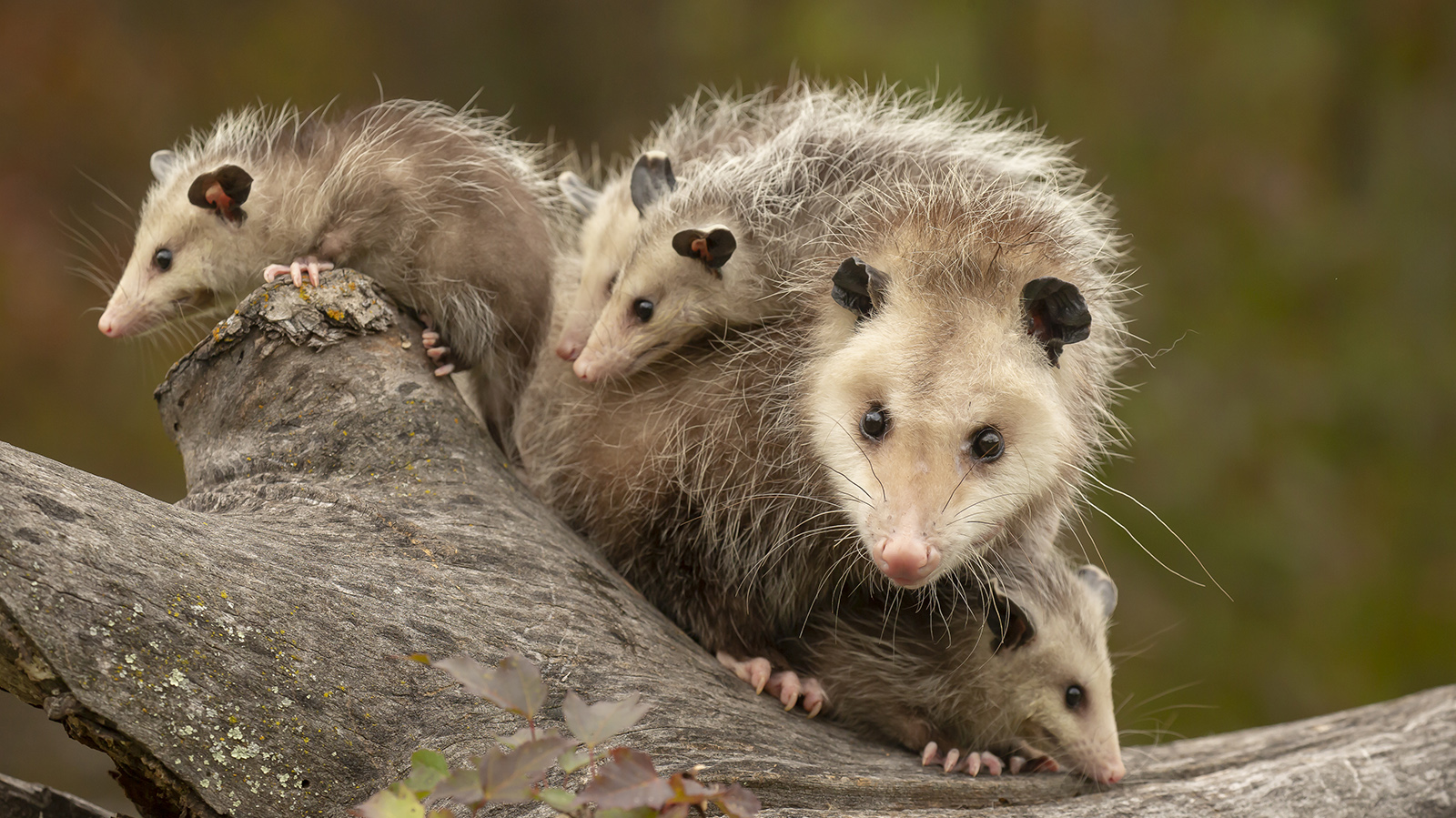
Opossums are fascinating nocturnal creatures widely distributed across the United States, from urban neighborhoods to rural farmlands. Known for their curious appearance and shy behavior, these marsupials often raise questions among homeowners and wildlife enthusiasts: what do opossums eat? and how does their diet affect backyard gardens and local ecosystems?
Understanding the diet of opossums is crucial not only for people who encounter them in suburban backyards but also for those interested in wildlife conservation and ecosystem balance. In this comprehensive guide, we will explore what opossums eat in the wild and in urban areas, their seasonal feeding habits, dietary preferences, the impact of their diet on your yard, common misconceptions, and practical tips for coexistence.
By the end of this article, you’ll have a complete understanding of opossum feeding behavior and be equipped with actionable knowledge to enjoy observing these unique creatures safely and responsibly.
What Do Opossums Eat?
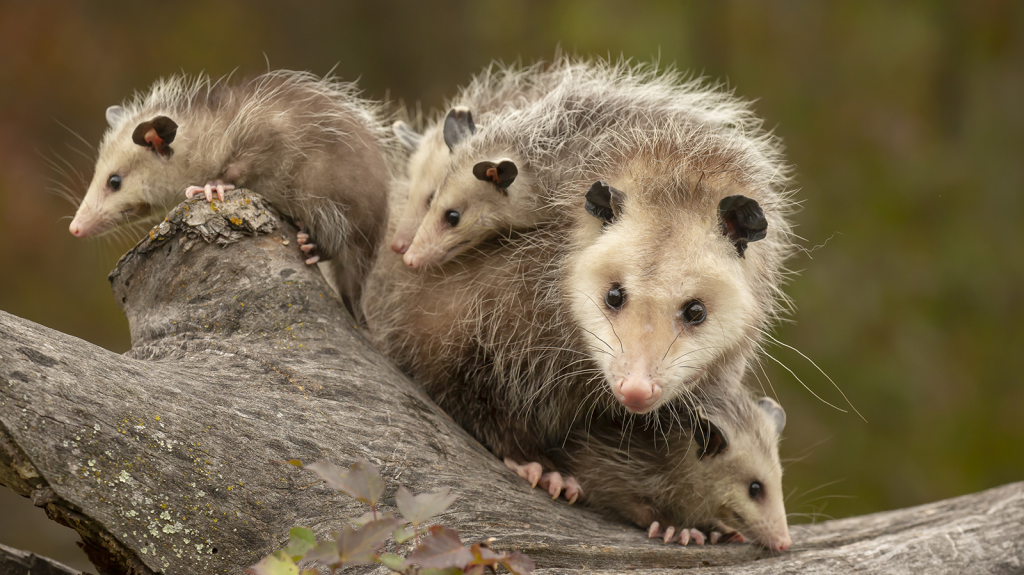
Opossums are omnivorous mammals, which means they consume both plant and animal matter. Their diet is highly adaptable, allowing them to thrive in various habitats, including forests, wetlands, suburban yards, and even city areas. They are opportunistic feeders, meaning they will eat almost anything available that meets their nutritional needs.
Natural Diet
In the wild, opossums have a very diverse diet. Common foods include:
- Fruits: Apples, berries, grapes, melons, and persimmons are some favorites. Fruits are often eaten when they fall to the ground or when opossums can reach low-hanging branches.
- Vegetables and Plant Matter: Corn, squash, leafy greens, and garden vegetables occasionally attract them. They usually focus on fallen or accessible produce rather than damaging crops.
- Insects: Beetles, crickets, grasshoppers, caterpillars, and other soft-bodied insects provide an essential protein source.
- Small Animals: Frogs, snakes, birds, eggs, and rodents may be consumed when available, contributing to population control of smaller species.
- Carrion: Opossums are scavengers and will feed on dead animals, helping clean up the environment and reduce the spread of disease.
Urban Diet
Opossums have adapted exceptionally well to urban and suburban areas. Their urban diet can include:
- Pet food left outside overnight
- Compost scraps and trash leftovers
- Garden fruits and vegetables, especially those that have fallen or are easy to reach
- Birdseed spilled from feeders
While they are often viewed as nuisances, their scavenging behavior actually provides ecological benefits, such as controlling insect and rodent populations and cleaning up potential sources of disease.
Seasonal Variations
Opossums adjust their diet based on seasonal availability:
- Spring: Fresh fruits, flowers, small insects, and eggs are common.
- Summer: A combination of berries, vegetables, insects, and small vertebrates.
- Fall: Fruits and nuts become more prominent as they prepare for winter.
- Winter: In colder climates, they rely more on carrion, leftover garden produce, and human-provided food sources.
This adaptability allows opossums to survive in environments ranging from dense forests to city backyards.
Why Opossum Diet Matters
Understanding what opossums eat goes far beyond simple curiosity. Their diet has significant practical implications for homeowners, gardeners, wildlife enthusiasts, and anyone interested in maintaining a balanced backyard ecosystem. By examining their eating habits, we can better understand how they interact with their environment, how they affect the local food chain, and how to coexist with them safely.
Pest Control
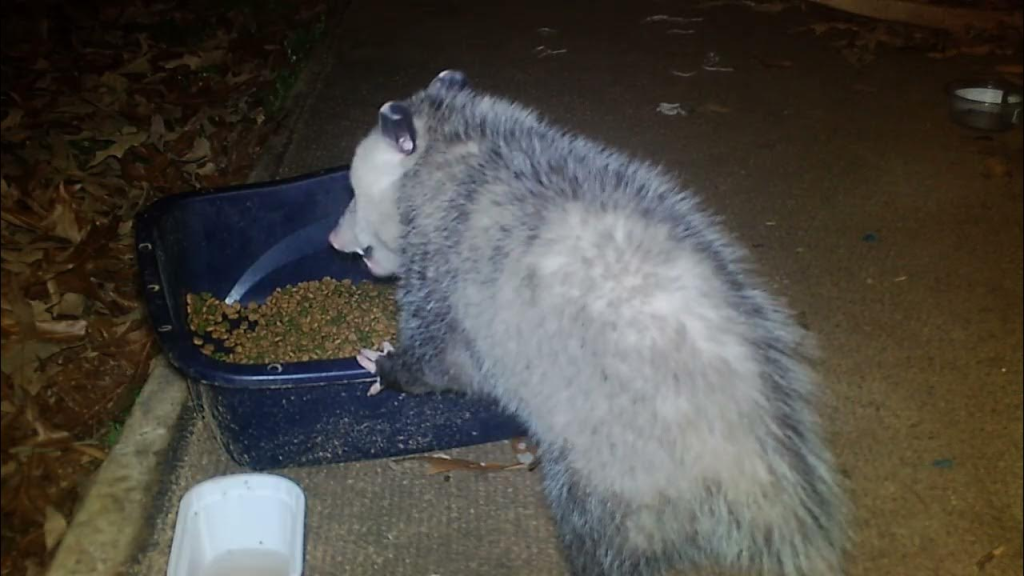
Opossums play a surprisingly important role in controlling pest populations. They are natural predators of a wide range of insects, including beetles, crickets, grasshoppers, and caterpillars, which can damage garden plants and crops. Additionally, opossums consume small rodents, such as mice and rats, which helps reduce the spread of diseases and protects property from rodent-related damage. One particularly important benefit is their appetite for ticks: studies have shown that a single opossum can eat hundreds of ticks in a season, which significantly reduces the risk of Lyme disease and other tick-borne illnesses in suburban areas. By allowing opossums to roam safely in your yard, you are essentially maintaining a natural pest control system without the need for chemical pesticides.
Garden Impact
While opossums occasionally nibble on fruits, vegetables, and garden plants, their impact is generally minimal compared to other wildlife such as deer or rabbits. They tend to focus on fallen or easily accessible produce rather than actively damaging growing plants. Homeowners who regularly harvest fallen fruits and vegetables or install protective barriers around garden beds can coexist with opossums with very little conflict. In fact, by cleaning up leftover produce promptly, you can prevent attracting opossums to areas where they might become a nuisance, while still allowing them to benefit your yard by consuming insects and small pests.
Ecosystem Balance
Opossums are scavengers, which means they play a vital role in breaking down carrion and decomposing organic matter. By consuming dead animals, they help reduce the risk of disease spread and maintain a healthier environment for both humans and other wildlife. Their scavenging behavior also ensures that nutrients are returned to the soil more quickly, supporting plant growth and sustaining the overall balance of the local ecosystem. In essence, opossums act as natural cleaners and recyclers, contributing to the ecological stability of the areas they inhabit.
Pet Safety
For households with pets, understanding what attracts opossums can help prevent unintended interactions. Securing pet food indoors and properly closing trash bins can significantly reduce the likelihood of encounters. Opossums are generally shy and non-aggressive, but knowing their dietary preferences helps you manage your backyard environment to minimize stress or curiosity-driven confrontations between wildlife and domestic animals. Educating family members and neighbors about these practices ensures a safer and more harmonious environment for both pets and wildlife.
Wildlife Observation
For wildlife enthusiasts, understanding the diet of opossums provides valuable insights into their behavior and movement patterns. By knowing what foods attract them and how their feeding changes seasonally, observers can anticipate where opossums are likely to appear and plan safe, responsible wildlife watching. Observing opossums foraging not only offers entertainment but also fosters appreciation for their ecological role and their adaptability in urban and suburban settings.
By gaining a thorough understanding of their diet, homeowners and wildlife lovers alike can coexist with opossums safely while appreciating the numerous ecological benefits they provide. Rather than seeing them as a nuisance, recognizing the ways in which opossums contribute to pest control, ecosystem balance, and natural cleanup efforts can transform them into valued backyard companions.
How to Feed or Avoid Feeding Opossums Safely
Observing opossums can be an enjoyable and educational experience, but it’s essential to manage feeding practices carefully to ensure safety for both humans and wildlife. Improper feeding can lead to unwanted encounters, overpopulation in urban areas, and even health problems for the animals. By following thoughtful guidelines, you can enjoy watching opossums while maintaining a balanced backyard ecosystem.
Step 1: Do Not Leave Food Out at Night
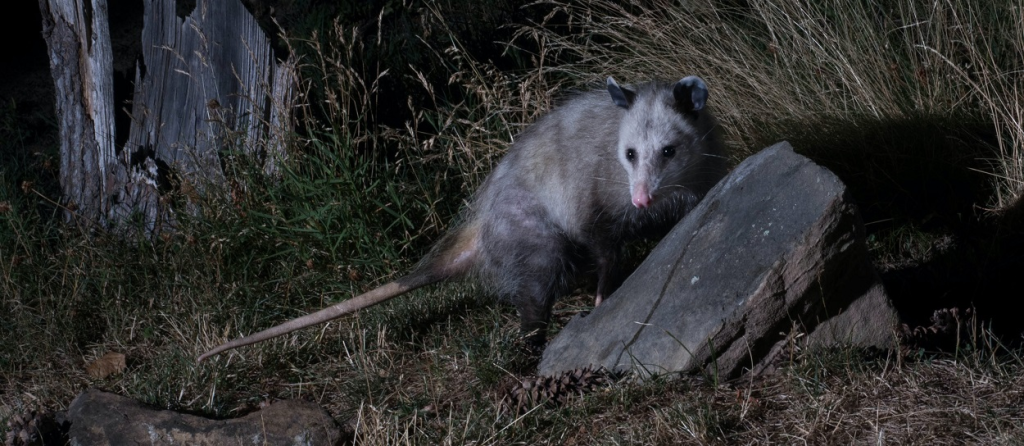
Opossums are nocturnal, which means they are most active during the evening and nighttime hours. Leaving food outdoors after sunset can attract them and other wildlife to areas where interactions with humans or pets may occur.
- Remove pet food dishes: Always bring in pet food bowls before evening. If pets need to eat outside, feed them earlier in the day and bring any leftovers inside.
- Secure trash cans: Opossums are excellent scavengers and can easily access unsecured trash bins. Use sturdy trash cans with tight-fitting lids and consider adding bungee straps to prevent wildlife from opening them.
- Avoid leaving compost exposed: Food scraps in open compost piles can attract opossums. Use covered bins or composters with secure lids.
By controlling food access at night, you reduce the likelihood of opossums roaming areas where they may cause conflicts or be put at risk.
Step 2: Manage Your Garden
Your garden can be a major attractant for opossums if left unmanaged. While they generally feed on fallen or easily accessible produce, certain practices can help reduce unnecessary visits:
- Harvest fallen fruits and vegetables promptly: Fallen apples, berries, tomatoes, and squash can attract opossums. Regularly clearing these from the ground reduces the incentive for them to forage in your yard.
- Plant hedges or shrubs strategically: Providing natural cover along yard edges allows opossums to feel safe while foraging without encouraging them to linger near living areas. Native shrubs or low-maintenance hedges can create a buffer zone.
- Avoid leaving overly sweet or ripe fruits exposed: While opossums are opportunistic feeders, minimizing easily accessible food sources reduces frequent backyard visits.
By managing your garden thoughtfully, you maintain a wildlife-friendly environment without encouraging dependency on human-provided food.
Step 3: Optional Controlled Feeding
For those who want to attract opossums for observation or educational purposes, controlled feeding is possible with proper precautions:
- Offer natural fruits: Apples, berries, grapes, and other small fruits are safe for opossums. Cut the fruit into small pieces to prevent wastage and reduce pests like ants or rodents.
- Avoid processed foods: Never feed bread, sweets, chips, or other human junk foods. These can cause digestive issues, malnutrition, or long-term health problems for wildlife.
- Choose a safe feeding spot: Select a location away from high-traffic areas, children, and pets. Feeding in one consistent location allows opossums to know where to find food without wandering into potentially dangerous areas.
- Limit feeding frequency: Feeding should be occasional rather than daily, encouraging opossums to maintain natural foraging behavior and reducing dependence on humans.
Checklist for Backyard Safety
To make sure your backyard remains safe for both opossums and residents, follow this practical checklist:
- Secure trash bins to prevent scavenging.
- Pick up fallen fruits and vegetables promptly.
- Remove pet food at night and store it safely indoors.
- Use controlled feeding only if you plan to observe wildlife.
- Educate family members and neighbors about not leaving food accessible outdoors.
Additional Tips
- Observe from a distance: Even when feeding in a controlled setting, maintain a safe distance to avoid stressing the animals.
- Use wildlife-friendly landscaping: Plant native shrubs, flowers, and ground cover that provide natural food and shelter, reducing reliance on human-provided food.
- Monitor your backyard: Regularly check for signs of overpopulation or health issues among visiting wildlife, and adjust feeding practices accordingly.
- Avoid hand-feeding: Never attempt to feed opossums by hand. While generally non-aggressive, they can bite if they feel threatened.
By following these steps, you create an environment where opossums can thrive naturally while minimizing conflicts and health risks. Safe and responsible feeding encourages natural behaviors, supports the local ecosystem, and provides opportunities for enjoyable wildlife observation without endangering the animals or your household.
Mistakes to Avoid
- Leaving accessible trash or pet food, which can lead to overpopulation and nuisance behavior.
- Feeding human junk food, which can harm their digestive system.
- Disturbing their natural foraging or den areas, causing stress or aggression.
- Ignoring signs of conflict, such as damaged gardens or pet food theft, which can escalate issues.
- Misidentifying opossums as dangerous or aggressive—they are generally shy and non-confrontational.
FAQs
Q: Can opossums eat meat?
A: Yes, opossums eat small animals, eggs, and carrion as part of their natural diet.
Q: Do opossums eat garden vegetables?
A: Occasionally, especially soft fruits or leafy vegetables, but they rarely destroy large crops.
Q: Are opossums dangerous to pets?
A: Generally no. Opossums are shy and avoid confrontation, though it’s best to secure pet food.
Q: How often do opossums eat?
A: They are nocturnal and forage mainly at night, consuming multiple small meals per night.
Q: Do opossums eat insects like ticks?
A: Yes, they consume hundreds of ticks per season, which helps reduce Lyme disease risk.
Q: Can opossums survive on human food alone?
A: While they may eat human scraps opportunistically, a diet high in processed foods can harm their health.
Expert Notes / Pro Tips
- Opossums are highly beneficial for pest control and should not be viewed as purely a nuisance.
- Plant hedges or shrubs to provide cover without encouraging unwanted feeding.
- Observe nocturnal behaviors from a distance—opossums are generally shy.
- Educate neighbors and family about safe coexistence strategies.
Data & Research
- According to the National Wildlife Federation, opossums consume hundreds of ticks per season, reducing the risk of Lyme disease in suburban areas.
- USDA reports that urban-adapted opossums efficiently utilize gardens and trash sources without causing major damage.
- Scientific studies confirm that opossums are opportunistic omnivores that thrive in suburban environments while balancing local ecosystems.
Conclusion
Opossums are adaptable omnivores that eat fruits, vegetables, insects, small animals, and urban scraps. Understanding their diet helps homeowners coexist safely while benefiting from their role in natural pest control and ecological balance. By observing opossums responsibly, you can enjoy urban wildlife without conflict while appreciating their important role in the ecosystem.