What Do Hares Eat? A Complete Guide to the Wild Diet of These Spe

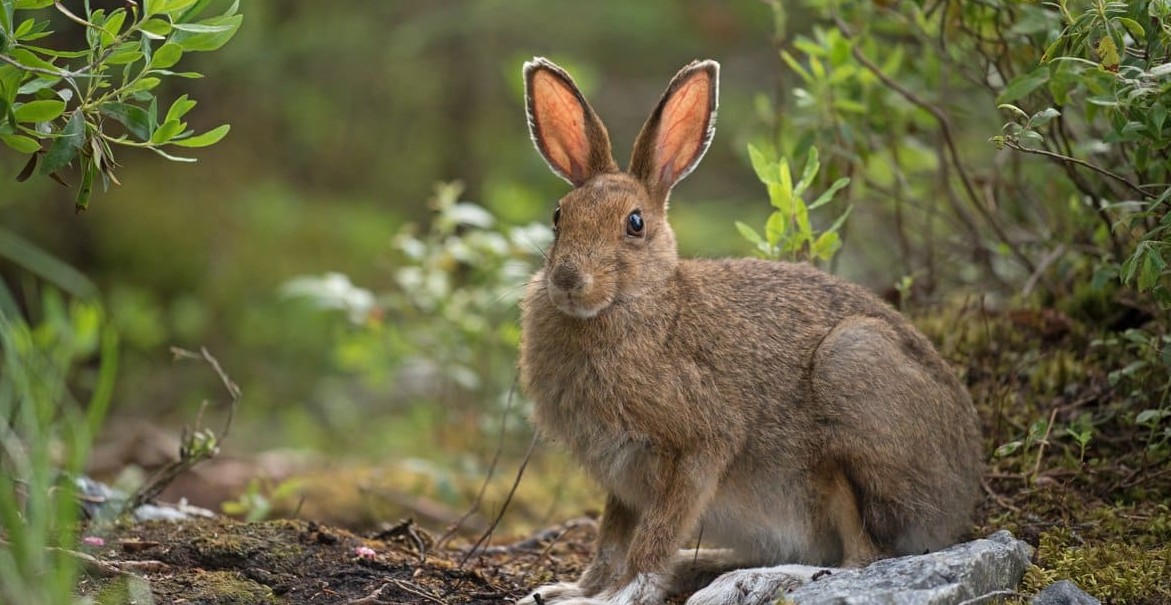
If you’ve ever spotted a long-eared animal sprinting across an open field at astonishing speed, chances are you saw a Hare. These agile mammals are known for their powerful legs, incredible acceleration, and ability to survive in a wide range of environments. But while their speed often steals the spotlight, many wildlife enthusiasts wonder: what do hares eat?
Understanding the diet of hares reveals a fascinating story about adaptation, survival, and the delicate balance of natural ecosystems. From tender grasses in spring to woody bark during harsh winters, hares rely entirely on plant-based foods to fuel their energetic lifestyles.
In this in-depth guide, we’ll explore everything about the diet of hares, including:
- What hares eat in the wild
- Their favorite plants and foods
- How their diet changes with the seasons
- How baby hares develop feeding habits
- Unique digestive adaptations
- Differences between hares and rabbits
- The ecological role of hares in the wild
By the end of this article, you’ll have a complete understanding of the natural diet of these remarkable animals.
What Do Hares Eat?
The Hare is a strict herbivore, meaning it eats only plant material. Unlike carnivores that hunt prey, hares survive entirely on vegetation found in their habitats.
Common foods hares eat include:
- Grasses
- Wildflowers
- Leaves
- Herbs
- Bark
- Twigs
- Roots
- Agricultural crops
Their diet is highly flexible, which helps them survive in grasslands, forests, tundra, and farmland.
Different species such as the European Hare, Snowshoe Hare, and Arctic Hare may eat slightly different plants depending on their environment.
Favorite Foods in a Hare’s Diet
Although hares eat many types of vegetation, some foods are particularly important for their nutrition.
1. Grasses
Grasses make up a large portion of a hare’s diet. They are abundant, easy to digest, and rich in fiber.
During the warmer months, hares often graze in open meadows where fresh grass is plentiful.
These grasses provide:
- Energy
- Fiber for digestion
- Essential nutrients
2. Wild Herbs and Flowers
Many Hare species also consume wild herbs and flowering plants.
Common examples include:
- Clover
- Dandelions
- Plantain
- Chicory
- Wild lettuce
These plants provide important vitamins and minerals that support healthy growth and reproduction.
3. Leaves from Shrubs and Trees
When grazing plants are limited, hares browse on leaves from shrubs and young trees.
This behavior is especially common in woodland habitats where ground vegetation may be sparse.
4. Bark and Twigs
During winter, fresh vegetation becomes scarce. At this time, hares rely heavily on woody materials such as:
- Tree bark
- Small branches
- Twigs
Species like the Snowshoe Hare are particularly well adapted to surviving on bark during long winters.
5. Agricultural Crops
In regions where farmland overlaps with natural habitat, hares sometimes feed on crops.
Common crops eaten by hares include:
- Wheat
- Barley
- Corn
- Carrots
- Lettuce
Although this provides easy food, it can also bring hares into conflict with farmers.
Seasonal Changes in the Hare Diet
The diet of the Hare changes dramatically throughout the year as plants grow and disappear.
Spring Diet
Spring provides abundant fresh vegetation.
During this season, hares eat:
- Tender grasses
- Fresh shoots
- Young herbs
- Flowering plants
These foods are rich in nutrients and help hares recover after winter.
Summer Diet
Summer offers the greatest variety of food.
Hares may eat:
- Wildflowers
- Meadow grasses
- Leaves from shrubs
- Agricultural crops
The abundance of food helps them build energy reserves.
Autumn Diet
As temperatures drop, vegetation begins to dry out.
Hares transition to:
- Tougher grasses
- Mature plants
- Roots and stems
This helps prepare them for the lean winter months.
Winter Diet
Winter is the most challenging season.
Many Hare species rely on:
- Tree bark
- Twigs
- Buds
- Evergreen plants
The Arctic Hare, for example, can dig through snow to reach buried plants.
How Hares Digest Their Food
Plant material is difficult to digest because it contains large amounts of cellulose.
To solve this problem, the Hare has a specialized digestive system designed to extract as many nutrients as possible.
Like many herbivores, hares use a process called Hindgut Fermentation.
How hindgut fermentation works
- Hares eat plant material rich in fiber
- Microbes in the cecum break down cellulose
- Nutrients are released and absorbed
- Waste is processed further in the digestive tract
This process allows hares to survive on foods that contain relatively low nutritional value.
Why Hares Re-Eat Their Food
One of the most unusual aspects of hare digestion is a behavior known as Coprophagy.
This means they re-consume special nutrient-rich droppings called cecotropes.
While it may sound strange, this behavior provides important benefits:
- Extra protein
- Additional vitamins
- Improved nutrient absorption
Many small herbivores rely on this strategy to survive on low-energy diets.
What Do Baby Hares Eat?
Baby hares are called leverets.
Unlike rabbits, which are born blind and helpless in burrows, leverets are born fully furred with open eyes.
They begin life drinking their mother’s milk.
Feeding stages of baby hares
Birth to 3 weeks
- Survive mostly on milk
- Begin nibbling small plants
3 to 6 weeks
- Gradually increase plant intake
- Learn to forage
After 6 weeks
- Fully transition to an adult plant diet
By the time they are independent, young Hare eat the same foods as adults.
When Do Hares Eat?
Hares are generally crepuscular, meaning they are most active at dawn and dusk.
This feeding pattern helps them avoid predators while still accessing food.
Typical feeding times include:
- Early morning grazing
- Evening browsing
- Occasional nighttime feeding
During the day, they usually rest in shallow depressions called forms.
Differences Between Hare and Rabbit Diets
People often confuse hares with rabbits, but there are important differences.
For example, the European Rabbit lives in underground burrows and feeds closer to shelter.
The Hare, however:
- Lives above ground
- Travels longer distances to feed
- Eats more woody vegetation
Because of these differences, hares often consume more bark and shrubs than rabbits.
Predators and Feeding Behavior
The diet and feeding habits of hares are closely connected to their survival strategies.
Common predators of hares include:
- Foxes
- Owls
- Eagles
- Coyotes
Because they are vulnerable while feeding, hares rely on:
- Excellent hearing
- Wide field of vision
- Explosive running speed
Their ability to reach speeds of over 40 mph helps them escape danger.
How Hares Benefit Ecosystems
The Hare plays an important role in natural ecosystems.
By feeding on plants, they help:
- Control vegetation growth
- Spread plant seeds
- Support predator populations
In many ecosystems, hares are considered a keystone prey species.
Their presence supports a wide variety of predators.
Surprising Facts About Hare Diets
Here are some fascinating facts about what hares eat:
- Hares can eat over a pound of vegetation per day.
- Their teeth grow continuously to handle tough plants.
- They may travel several miles each night to find food.
- Some species eat snow-covered plants during winter.
- Their powerful jaws allow them to chew woody stems.
These adaptations make them highly successful survivors.
Conservation and Habitat Protection
Although many hare species remain common, some populations face threats from:
- Habitat loss
- Agricultural expansion
- Climate change
- Overhunting
Protecting natural grasslands and forests helps ensure that Hare populations continue to thrive.
Maintaining healthy plant ecosystems is especially important because their diet depends entirely on vegetation.
Conclusion
So, what do hares eat?
The Hare survives on a diverse diet of grasses, herbs, leaves, bark, twigs, and other plant materials found in its habitat. Seasonal changes influence what foods are available, forcing hares to adapt their diets throughout the year.
From grazing on fresh meadow grasses in spring to chewing bark during winter, hares demonstrate remarkable adaptability. Their specialized digestion, unique feeding behaviors, and ability to survive on low-nutrient vegetation make them one of nature’s most resilient herbivores.
Understanding the diet of hares not only reveals how these animals survive but also highlights the importance of protecting the ecosystems they depend on.
The next time you see a hare racing across a field, remember that behind its incredible speed lies a simple but powerful survival strategy—a diet perfectly adapted to the wild.
FAQs About What Hares Eat
1. What do hares eat in the wild?
The Hare is a herbivore that feeds mainly on grasses, wild herbs, leaves, and flowers. Depending on the season, hares may also eat bark, twigs, roots, and agricultural crops when natural vegetation is limited.
2. Do hares eat vegetables?
Yes, hares may eat vegetables if they are available, especially in farmland or gardens. Crops like carrots, lettuce, cabbage, and wheat can attract Hare populations because they provide easy sources of nutrition.
3. What do hares eat during winter?
During winter, fresh plants become scarce, so the Hare often eats bark, twigs, buds, and woody stems from shrubs and trees. Species such as the Snowshoe Hare are well adapted to surviving on these tougher foods.
4. Do hares eat fruit?
Fruit is not a major part of the natural diet of a Hare. However, they may occasionally eat fallen fruit if it is available in their environment.
5. What do baby hares eat?
Baby hares, called leverets, initially drink their mother’s milk. After a few weeks, young Hare begin nibbling on grasses and small plants before transitioning completely to a plant-based diet.
6. Are hares different from rabbits in their diet?
Yes. While both animals are herbivores, the Hare often eats more woody plants such as bark and twigs compared to the European Rabbit, which mainly feeds on grasses and soft vegetation near its burrow.