What Do Cassowaries Eat in the Wild? 10 Foods That Fuel This Giant Forest Bird

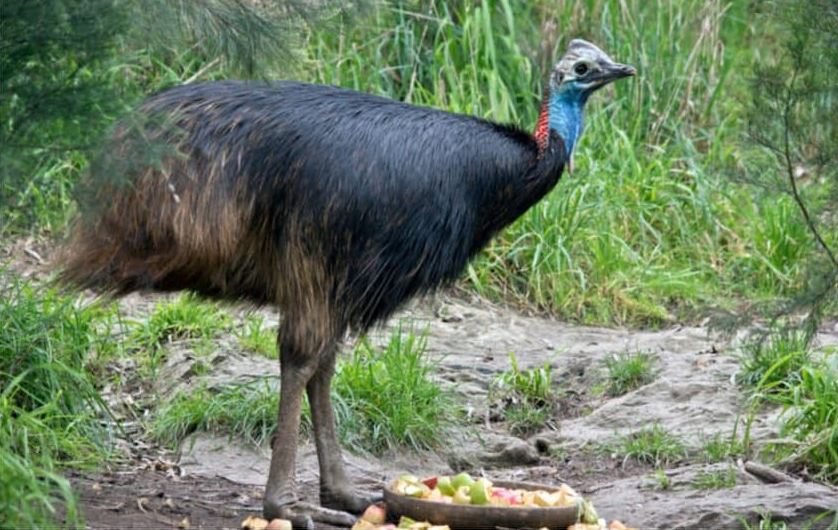
Deep within the tropical rainforests of northern Australia and New Guinea lives one of the most fascinating birds on Earth—the Cassowary. With its towering height, vibrant blue neck, helmet-like casque, and powerful legs, this prehistoric-looking bird often captures attention for its intimidating appearance. But beyond its reputation as one of the most formidable birds in the world lies a surprising question many wildlife enthusiasts ask: what do cassowaries eat in the wild?
Despite their powerful build and sharp claws, cassowaries are not predators in the traditional sense. In fact, their diet is largely plant-based, making them crucial contributors to rainforest ecosystems. These giant birds consume a variety of fruits, plants, and small animals, helping disperse seeds and maintain forest biodiversity.
In this comprehensive guide, we’ll explore what cassowaries eat in the wild, the 10 primary foods that fuel this giant forest bird, and how their feeding habits play an essential role in rainforest survival.
Understanding the Natural Diet of Cassowaries
Before diving into specific foods, it’s helpful to understand the feeding behavior of the Southern Cassowary, the largest and most well-known species.
Cassowaries are considered omnivores, but their diet is heavily dominated by fruit. In many rainforests, they are known as keystone seed dispersers because they consume fruits whole and spread seeds across vast areas through their droppings.
Unlike many birds, cassowaries swallow fruit without chewing. Their digestive systems are specially adapted to process large seeds that other animals cannot handle.
Scientists estimate that over 100 rainforest plant species rely on cassowaries for seed dispersal, making them essential for maintaining healthy forest ecosystems.
10 Foods That Fuel This Giant Forest Bird
Here are the 10 most important foods cassowaries eat in the wild.
1. Fallen Rainforest Fruits
Fruit makes up the majority of a cassowary’s diet.
Cassowaries prefer fruits that fall naturally from rainforest trees. These fruits are often large, colorful, and nutrient-rich.
Common rainforest fruits eaten by cassowaries include:
- Quandongs
- Native figs
- Blue quandongs
- Davidson’s plums
- Palm fruits
Because cassowaries swallow fruits whole, they are able to transport seeds long distances through the forest.
This behavior helps regenerate rainforest vegetation and maintain plant diversity.
2. Figs
Figs are among the most important foods for cassowaries.
Trees belonging to the genus Ficus produce fruit throughout the year, making them a reliable food source for many rainforest animals.
Cassowaries often visit fig trees during peak fruiting seasons. Because figs grow in large clusters, a single tree can provide a substantial meal.
These fruits are rich in:
- Natural sugars
- Fiber
- Essential nutrients
This energy helps sustain cassowaries as they roam large territories in search of food.
3. Palm Fruits
Palm trees produce fruits that cassowaries eagerly consume.
Several rainforest palms depend on cassowaries to spread their seeds. The birds swallow the fruits whole and later deposit the seeds in new areas.
These seeds often germinate successfully because they are surrounded by nutrient-rich droppings.
Palm fruits also contain:
- Healthy fats
- Carbohydrates
- Vitamins
These nutrients support the cassowary’s high energy needs.
4. Berries
Many rainforest shrubs produce small berries that cassowaries happily eat.
These berries include:
- Native rainforest berries
- Small drupes
- Wild cherries
Although smaller than many fruits cassowaries prefer, berries are easy to swallow and provide quick energy.
During seasons when larger fruits are scarce, berries can become an important food source.
5. Mushrooms and Fungi
Cassowaries occasionally eat forest fungi, especially after rain.
Rainforest floors often contain various mushrooms and fungal growths. These organisms provide additional nutrients and moisture.
Scientists believe cassowaries may help spread fungal spores throughout the forest, similar to how they disperse plant seeds.
6. Insects
Although fruit dominates their diet, cassowaries also eat insects when they encounter them.
Common insect prey may include:
- Beetles
- Ants
- Grasshoppers
- Larvae
These insects provide important protein and minerals, which support muscle growth and feather health.
Cassowaries typically find insects while scratching through leaf litter on the forest floor.
7. Small Vertebrates
Occasionally, cassowaries consume small animals.
This may include:
- Frogs
- Small reptiles
- Rodents
These foods are not a major part of their diet but provide extra protein when available.
This behavior contributes to their classification as omnivores.
8. Fallen Leaves and Plant Material
Cassowaries sometimes consume plant matter such as:
- Tender leaves
- Young shoots
- Soft stems
These foods provide additional fiber and nutrients, especially when fruit supplies are low.
Leaf consumption may also help aid digestion.
9. Snails and Other Invertebrates
Cassowaries sometimes eat snails, slugs, and other invertebrates found on the forest floor.
These small animals provide:
- Calcium
- Protein
- Trace minerals
Calcium is especially important for bone strength and egg production in female cassowaries.
10. Carrion (Occasionally)
Although rare, cassowaries may sometimes feed on dead animals.
This behavior is opportunistic and not a major dietary component.
Carrion provides additional protein and nutrients when other foods are scarce.
How Cassowaries Find Their Food
Cassowaries are primarily ground foragers.
They move quietly through dense rainforest vegetation, using their strong legs to navigate fallen logs, thick undergrowth, and muddy terrain.
Their excellent eyesight helps them spot colorful fruits on the forest floor.
Cassowaries may travel several miles per day searching for fruiting trees.
Why Cassowaries Are Important for Rainforests
Cassowaries are often called the “gardeners of the rainforest.”
Because they swallow fruits whole and disperse seeds over large distances, they play a vital role in forest regeneration.
Many rainforest trees produce seeds that only cassowaries can spread effectively.
Without cassowaries, certain plant species could struggle to survive.
This ecological role makes the Southern Cassowary one of the most important animals in its ecosystem.
How Much Food Do Cassowaries Eat?
Adult cassowaries require a substantial amount of food each day.
Researchers estimate they may consume several kilograms of fruit daily, depending on availability.
During peak fruit seasons, cassowaries may spend many hours feeding to build energy reserves.
Seasonal Changes in the Cassowary Diet
Food availability in rainforests changes throughout the year.
During times of fruit abundance, cassowaries primarily eat large fruits.
However, during fruit shortages they may rely more on:
- Insects
- Mushrooms
- Small animals
- Leaves
This flexible diet helps them survive seasonal changes in food supply.
Threats to Cassowary Food Sources
Unfortunately, cassowaries face several challenges that affect their ability to find food.
These threats include:
- Rainforest habitat loss
- Urban development
- Climate change
- Vehicle collisions
When forests are cleared, fruiting trees disappear, reducing food availability for cassowaries.
Conservation efforts focus on protecting rainforest habitats to ensure these birds continue fulfilling their ecological role.
Fascinating Facts About Cassowary Feeding
Cassowaries have several unique feeding adaptations.
- Their digestive systems allow large seeds to pass through unharmed.
- Some seeds germinate better after passing through cassowaries.
- They can swallow fruits larger than golf balls.
- Their droppings may contain dozens of seeds from different plant species.
These traits make cassowaries essential seed dispersers.
Final Thoughts
So, what do cassowaries eat in the wild?
Despite their intimidating reputation, cassowaries rely mostly on rainforest fruits, supplemented by insects, fungi, small animals, and plant material. Their diet fuels their powerful bodies while also supporting the health of the rainforest.
By spreading seeds across large distances, the Cassowary helps regenerate forests and maintain biodiversity. Few animals play such an important role in shaping their environment.
Protecting cassowaries and their habitats ensures that these remarkable birds continue to thrive—and that the rainforests they help sustain remain vibrant for generations to come.