
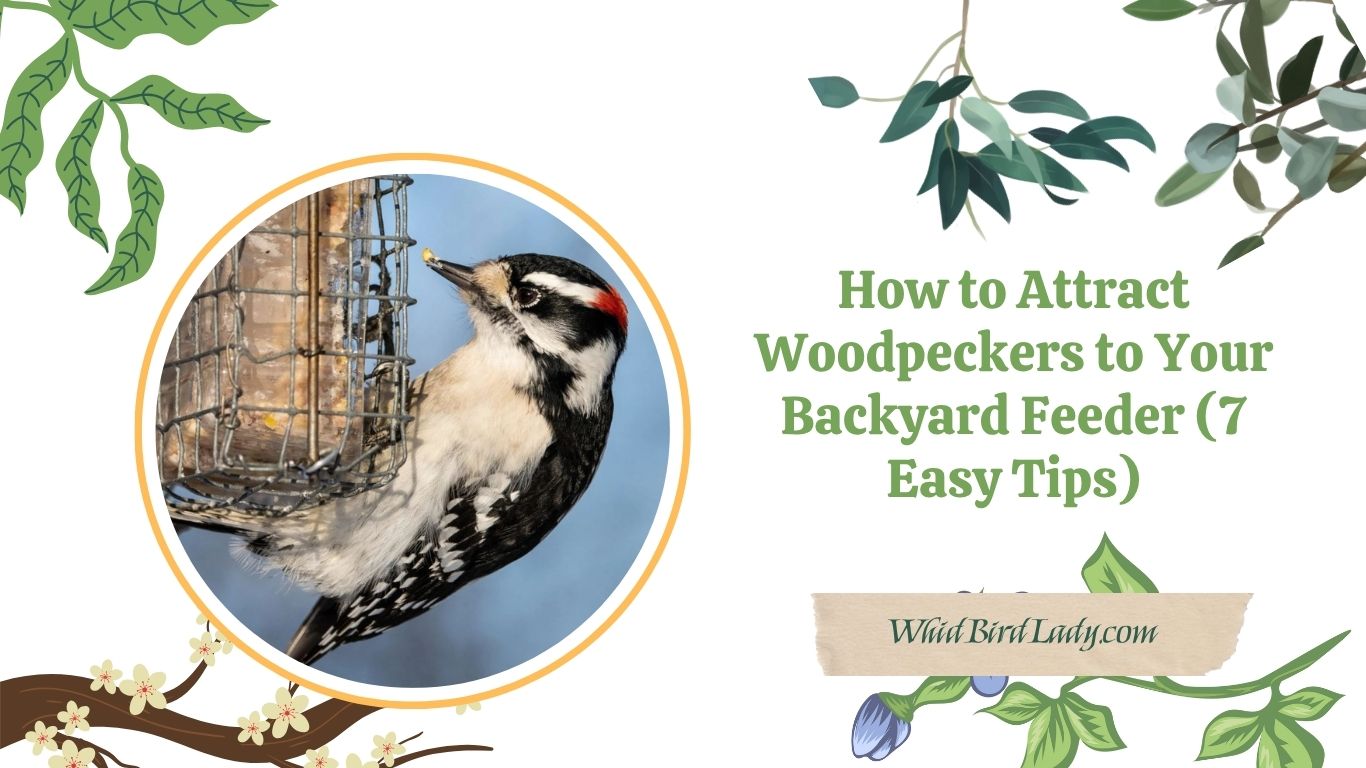
How to Attract Woodpeckers to Your Backyard Feeder (7 Easy Tips)


If you’ve ever been captivated by the sharp drumming of a woodpecker in the woods, you’re not alone. These charismatic birds are a favorite among birdwatchers and gardeners alike—not just for their striking looks, but for their quirky behaviors and essential role in the ecosystem. The good news? You don’t need a forest to enjoy them. With the right approach, you can attract woodpeckers right to your backyard feeder.
In this guide, you’ll learn 7 simple yet powerful ways to bring woodpeckers into your yard, keep them coming back, and even support their survival—all while enjoying the show from the comfort of your home.
Why Attract Woodpeckers?
Before we dive into the how-to, let’s answer a simple question: Why should you even want woodpeckers in your yard?
- Natural pest control: Woodpeckers feed on ants, beetles, and larvae hiding under bark and in wood.
- Unique beauty: From the tiny Downy to the magnificent Pileated, woodpeckers are some of the most visually striking birds in North America.
- Great for birdwatching: Their bold behaviors and calls make them easier to observe than many other species.
- Environmental indicators: A healthy woodpecker population often signals a thriving local ecosystem.
Now, let’s explore exactly how to attract them.

1. Offer the Right Food: Suet Is King
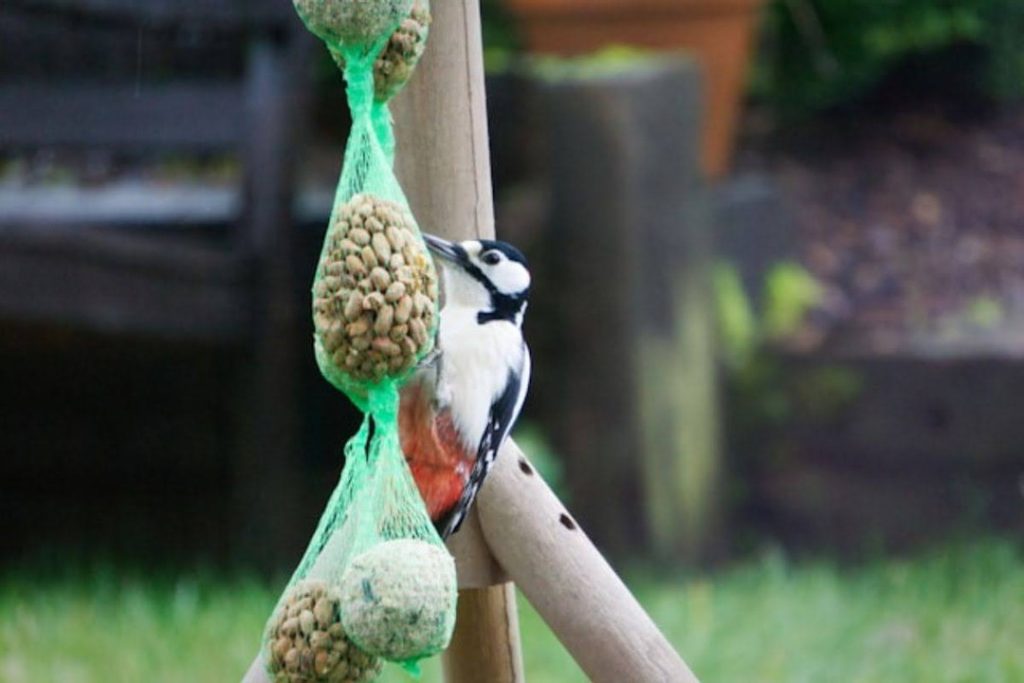
Woodpeckers love suet—a dense, high-energy animal fat that mimics what they’d find in the wild (like grubs and beetle larvae).
✅ Best Types of Suet:
- Plain suet cakes (no fruit, nuts, or extras): Ideal for winter.
- Suet with peanuts or mealworms: High-protein and irresistible in cold months.
- Insect-based suet: Mimics their natural diet, especially in spring and summer.
❌ Avoid:
- Low-quality suet that melts easily or contains filler seeds (like milo or corn).
- Seed mixes without nuts or high-fat ingredients.
🔧 Feeder Tip:
Use cage-style suet feeders with tail props (a flat board underneath) to help larger species like the Pileated Woodpecker balance while feeding.
2. Add Nut-Based and High-Fat Foods
Besides suet, woodpeckers enjoy:
- Peanuts (in or out of the shell)
- Black oil sunflower seeds
- Peanut butter (spread on tree bark or a feeder platform)
- Cracked corn (occasionally, for Red-bellied or Northern Flickers)
These high-energy options help support birds during cold snaps or nesting season.
💡 Tip:
Use a hopper feeder or tray feeder to serve these foods, and clean regularly to prevent mold or bacteria buildup.
3. Provide Natural Tree Habitat
Even the most bird-friendly feeder won’t beat a dead tree when it comes to attracting woodpeckers.
🏡 Here’s what to include:
- Dead trees or snags: These provide food (insects), shelter, and nesting space.
- Mature trees: Especially oak, hickory, pine, and maple—favorites for foraging.
- Tree stumps or logs: Scatter a few in a quiet corner of the yard and let nature take over.
Woodpeckers use their powerful beaks to dig for food inside the bark and wood, so leaving some natural decay can go a long way.
4. Keep Your Feeders Clean and Safe
Feeder hygiene is essential for bird health. Dirty feeders can spread disease and attract the wrong guests (like raccoons or rodents).
🧽 Weekly Cleaning Checklist:
- Wash feeders with warm, soapy water.
- Disinfect with a 1:9 bleach-to-water solution.
- Let them dry completely before refilling.
Also:
- Place feeders in a quiet, partially shaded area, ideally near trees or shrubs for quick cover.
- Avoid overcrowding: Too many feeders close together can lead to competition and stress.
5. Landscape with Woodpeckers in Mind
Your yard is more than just a feeding station—it can become a long-term woodpecker habitat with the right native plants and design.
🌱 Plant These for Success:
- Serviceberry
- Dogwood
- Elderberry
- Hickory and oak trees
- Pine and spruce for winter cover
Also Consider:
- Leave leaf litter: It encourages insects and beetles—natural food sources.
- Avoid pesticides: They reduce insect populations, which woodpeckers depend on.
- Add a brush pile: This helps shelter insects and provides cover for birds.
Creating a “messy corner” in your garden is one of the best-kept secrets for attracting wildlife!
6. Use Sound and Motion to Draw Attention
Woodpeckers are curious and highly territorial. You can attract their attention by mimicking the environment they naturally respond to.
Try:
- Drumming: Lightly tap a log or wood surface to simulate drumming sounds.
- Play calls: Use a Bluetooth speaker to softly play recorded woodpecker calls (don’t overdo it—5–10 minutes is enough).
- Wind chimes or reflective objects: These sometimes attract the interest of inquisitive birds.
This works best during early spring, when males are establishing territories and looking for mates.
7. Offer Nesting Boxes (For Certain Species)
Although many woodpeckers prefer to excavate their own nesting cavities in dead trees, some species are more adaptable and will gladly use a nesting box—especially when natural options are limited due to urban development, logging, or loss of mature trees.
Species known to use man-made nesting boxes include:
- Northern Flickers
- Red-bellied Woodpeckers
- Red-headed Woodpeckers
- Downy and Hairy Woodpeckers (less commonly, but it happens)
Providing a proper nesting box not only increases your chances of attracting these fascinating birds, but it also supports local breeding populations and helps offset habitat loss.
🛠️ How to Build or Choose the Right Nesting Box
Here’s how to set up a woodpecker-friendly nesting box that works—and lasts:
✅ Use the Right Materials
- Choose untreated wood like cedar, pine, or fir. Avoid pressure-treated lumber or painted surfaces, which can be toxic to birds.
- Wood should be at least ¾” thick to provide insulation and protection.
📏 Follow Size Guidelines
Box dimensions vary slightly by species, but here are general recommendations:
| Species | Floor Size | Depth | Entrance Diameter |
| Downy Woodpecker | 4″ x 4″ | 8–10″ | 1.25″ |
| Hairy Woodpecker | 5″ x 5″ | 10–12″ | 1.5″ |
| Red-bellied Woodpecker | 6″ x 6″ | 12–14″ | 2″ |
| Northern Flicker | 7″ x 7″ | 14–16″ | 2.5″ |
Make sure the entrance hole is precisely cut, as woodpeckers are very particular. If it’s too large, it may invite predators or competitors like starlings.
Add Wood Chips Inside
Unlike bluebirds or chickadees, woodpeckers don’t use nesting material like grass or twigs. Instead, they want to excavate the cavity themselves. To simulate this:
- Add 2–3 inches of soft wood shavings or sawdust inside the box.
- Do not drill a perch under the hole—woodpeckers cling vertically and don’t need one.
Proper Mounting and Placement
Woodpeckers are cavity nesters that favor height and security. Here’s how to install the box properly:
- Mount the box 8 to 20 feet off the ground, preferably on a sturdy tree trunk, wooden post, or pole.
- Choose a quiet, semi-wooded area where there’s little human activity.
- Face the entrance away from prevailing winds (typically east or southeast in the U.S.) to prevent rain and drafts from entering.
- Avoid placing the box in full sun all day; some shade is beneficial to prevent overheating.
You can use metal predator guards (like baffles) to keep raccoons and snakes from accessing the box.
🗓️ When to Install Nesting Boxes
Timing matters. Most woodpeckers begin scouting for nesting sites in late winter or very early spring, so it’s best to:
- Install your box by February or March
- Leave the box up year-round, as some species may use it for roosting in cold weather even outside of the breeding season
Woodpeckers often return to the same nesting area year after year if they find it safe and productive, so a well-placed box can serve generations of birds.
Pro Tip:
If you’re handy, consider installing multiple boxes spaced at least 50–100 feet apart to accommodate more than one pair and reduce territorial conflict.
By offering a thoughtfully designed nesting box, you’re giving woodpeckers a safe place to raise their young—and giving yourself the joy of watching the entire process unfold from courtship to fledging.
Bonus: Which Woodpeckers Might Visit Your Backyard?
Here are some common species that might stop by if you follow these tips:
| Species | Size | Backyard Friendly? | Favorite Foods |
| Downy Woodpecker | Small (6″) | ✅ Very common | Suet, peanut butter |
| Hairy Woodpecker | Medium (9″) | ✅ Somewhat shy | Suet, peanuts |
| Red-bellied Woodpecker | Medium | ✅ Loves feeders | Suet, nuts, seeds |
| Northern Flicker | Large | ✅ If yard has ants | Ground insects, suet |
| Pileated Woodpecker | Very Large | ⚠️ Rare in suburbs | Large suet feeders, logs |
| Yellow-bellied Sapsucker | Migratory | ❌ Rare at feeders | Sap, fruit, insects |
Best Time of Year to Attract Woodpeckers
Woodpeckers are non-migratory, year-round residents in much of the United States, including Ohio, the Midwest, and much of the Northeast and Southeast. That means you can spot them any time of year—but certain seasons are far more active and rewarding for birdwatchers and backyard bird lovers.
Let’s break it down by season so you know exactly what to expect—and when to roll out the red carpet (or suet cake!) for your woodpecker guests.
Winter: A Perfect Time to Start
Why it’s great:
- Natural food sources like insects and berries are scarce.
- Woodpeckers seek out high-fat, high-calorie foods to stay warm.
- Bare trees make spotting birds easier than ever.
Feeder behavior:
- Woodpeckers are more likely to visit feeders in winter because their favorite foods—beetles, ants, and sap—are harder to find.
- This is the best time to offer suet blocks, peanut butter mixtures, and black oil sunflower seeds, which provide dense energy.
Tip:
Start offering food in late fall (October–November) so the birds can locate your feeder before winter fully sets in.
Spring: Peak Activity & Nesting Season
Why it’s exciting:
- This is the time for courtship, territorial drumming, and nest-building.
- Males perform dramatic drumming displays on trees, poles, or even metal to attract mates.
- Birds are scouting for suitable nesting spots—like dead trees or nesting boxes.
Feeder behavior:
- Though insects begin to reappear, many woodpeckers still supplement their diet with feeder foods, especially suet and mealworms.
- Parents may also begin to test out feeding stations in preparation for feeding future chicks.
Tip:
Make sure nesting boxes are already installed by late winter so they’re ready for spring use.
Summer: Family Feeding Time
Why it’s fun:
- Parents often bring their juvenile woodpeckers to backyard feeders to teach them how to forage.
- You may see charming, fluffy young birds begging for food or clumsily trying to eat from suet cages.
Feeder behavior:
- Activity may dip slightly if insect populations are booming, but consistent feeding encourages frequent visits.
- Birds prefer moist suet or peanut-based foods that won’t melt or spoil in hot weather.
Tip:
Switch to no-melt suet cakes in summer to avoid messy feeders and spoiled food.
Fall: Feeding Frenzy Before Cold Weather
Why it’s important:
- Birds instinctively bulk up on fats and proteins in preparation for the colder months ahead.
- Juveniles from spring are now fully independent and actively foraging.
Feeder behavior:
- Woodpeckers return in full force to fat-rich foods like suet, nuts, and sunflower seeds.
- This is also a great time to clean and refill nesting boxes, as some woodpeckers use them as roosts during cold nights.
Tip:
Make your feeding station consistent in fall so woodpeckers learn to rely on it once winter hits.
So, When’s the Best Time to Start?
If you’re just beginning your woodpecker-watching journey, the best time to set up feeders and nesting boxes is late fall or early winter. Not only does this align with increased feeder use, but it also allows birds to become familiar with your yard before breeding season starts in spring.
Once they discover your setup, many woodpeckers—especially territorial species like the Red-bellied Woodpecker or Downy Woodpecker—will return year after year.
Pro Tip:
Consistency is key. Keep your feeders full year-round (especially in winter and spring), and you’ll create a reliable resource that attracts—and retains—multiple woodpecker species across every season.
FAQs About Attracting Woodpeckers
Q: How long does it take to attract woodpeckers?
A: If food and habitat are right, you may see woodpeckers within a week or two. Patience and consistency are key.
Q: What if squirrels steal the suet?
A: Use a squirrel-proof suet cage and avoid placing feeders near jumping-off points (like fences or tree limbs).
Q: Can I attract woodpeckers without trees?
A: It’s harder but not impossible. Feeders, brush piles, and nesting boxes help—but long-term success comes with planting trees.
Q: Are woodpeckers aggressive toward other birds?
A: Not usually. They tend to feed alone or ignore other birds. Larger species may intimidate smaller songbirds at feeders but rarely cause harm.
Final Thoughts
Attracting woodpeckers to your backyard isn’t just about hanging up a suet feeder—it’s about creating a mini-ecosystem that supports their needs year-round. With the right combination of food, shelter, and thoughtful landscaping, you can enjoy the sight and sound of these amazing birds just steps from your back door.
Whether you’re hoping to spot a Downy tapping away at your fence post or dreaming of a Pileated swooping in for suet, these tips will help you turn your backyard into a woodpecker paradise.