What Do Turtles Eat? Discover Their Favorite Foods and Habits

What Do Turtles Eat? It’s one of the most common questions asked by wildlife enthusiasts and new pet owners alike. Turtles are found in oceans, rivers, lakes, and even backyards, and their diets can vary dramatically depending on where they live and what species they belong to.
The term “turtle” broadly includes many species such as sea turtles, freshwater turtles, and tortoises, all of which have different feeding preferences. Some turtles are strict herbivores, while others are omnivores or even carnivores, adapting their diet based on availability and life stage. This diversity makes their eating habits both fascinating and sometimes confusing.
In this complete guide, we’ll explore everything you need to know about turtle diets—from what they eat in the wild to how to feed them in captivity. Whether you’re observing turtles in nature or caring for one at home, understanding their diet is key to their health and survival.
What Do Turtles Eat? (Quick Overview)
Turtles can be classified into three main dietary categories: herbivores, carnivores, and omnivores. Their classification depends on species, habitat, and age, with many turtles changing diets as they grow older. This flexibility helps them survive in a wide range of environments.
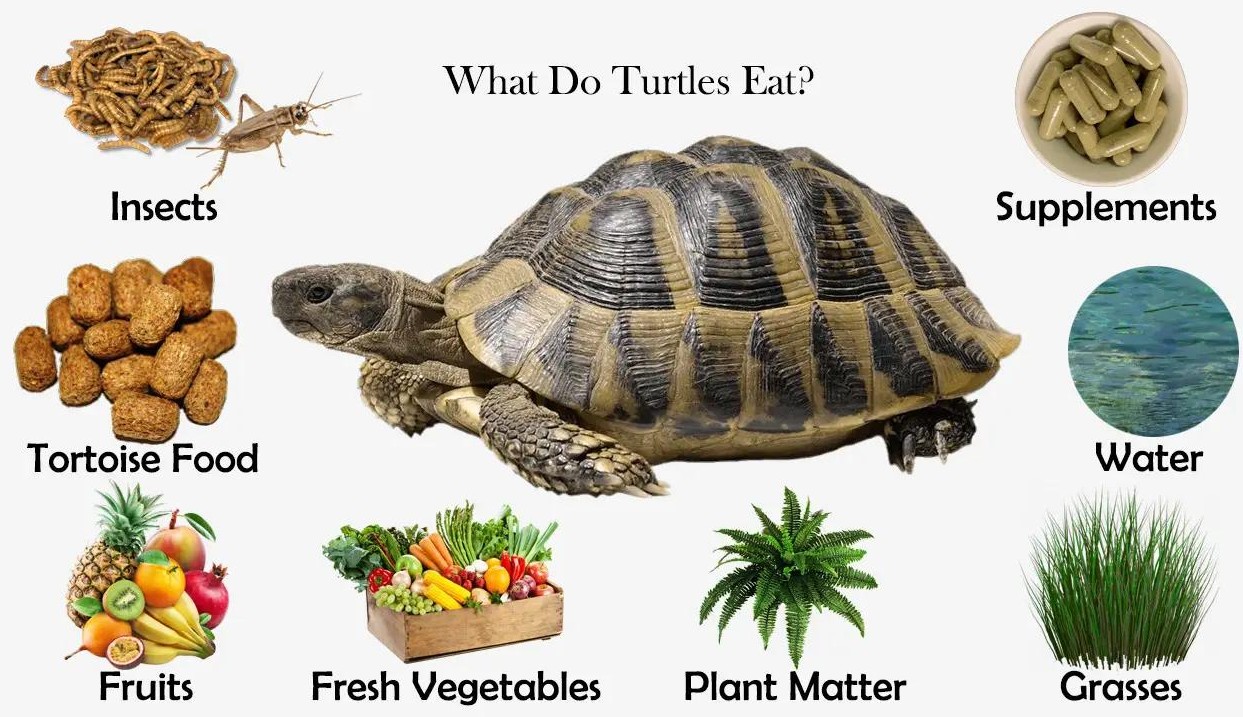
In general, turtles eat a mix of plant and animal matter. Common foods include leafy greens, aquatic plants, insects, fish, and fruits. However, not all turtles eat the same foods, and feeding the wrong diet—especially in captivity—can lead to serious health issues.
Understanding the basics of turtle nutrition helps ensure proper care. A balanced diet supports shell development, energy levels, and overall longevity, making it one of the most important aspects of turtle care.
Types of Turtles and Their Diet Differences
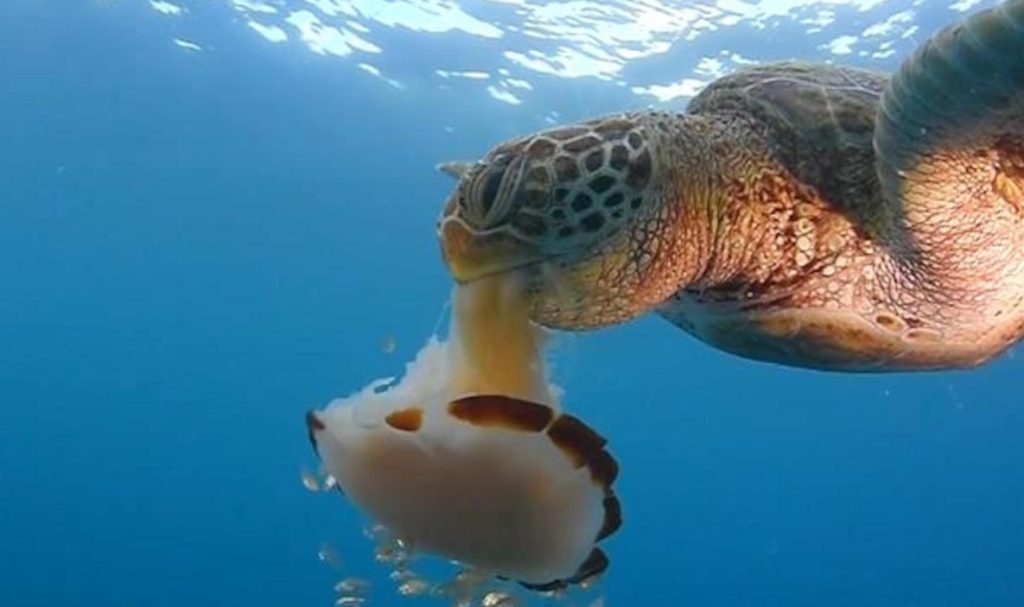
There are three main types of turtles: sea turtles, freshwater turtles, and tortoises. Each group has unique dietary needs based on their habitat and evolutionary adaptations. Understanding these differences is essential for both observation and care.
Sea turtles, such as the Green Sea Turtle, primarily eat seagrass and algae, although some species consume jellyfish and other marine animals. Freshwater turtles, like sliders and snapping turtles, tend to be omnivores that eat both plants and animals. Tortoises, on the other hand, are mostly herbivores that graze on grasses and leafy vegetation.
These dietary differences highlight how turtles have adapted to their environments. A turtle’s beak shape, digestive system, and behavior all reflect the type of food it consumes.
What Do Turtles Eat in the Wild?
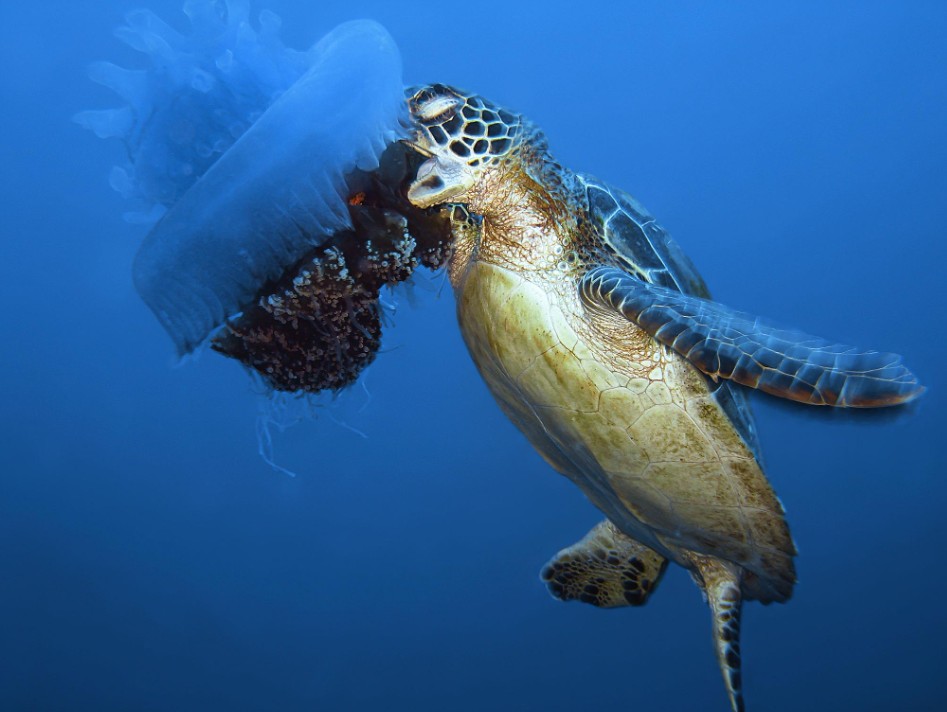
In the wild, turtles rely entirely on natural food sources available in their habitat. Their diet is influenced by season, location, and competition with other animals. This natural variation ensures they receive a wide range of nutrients.
Wild turtles commonly eat aquatic plants, algae, insects, small fish, crustaceans, and fruits that fall into the water. They are opportunistic feeders, meaning they will eat whatever is available and easy to catch or gather.
This natural diet is often more balanced than what captive turtles receive. It includes a mix of fiber, protein, and essential vitamins that support healthy growth and survival.
What Do Pet Turtles Eat?
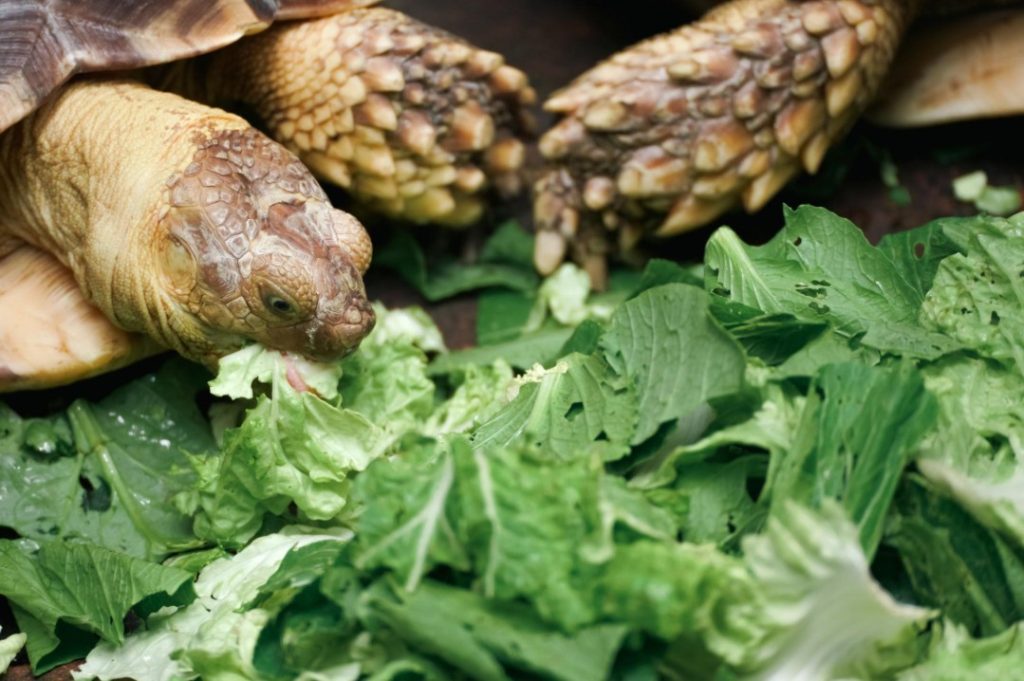
Pet turtles require a carefully managed diet to replicate what they would eat in the wild. Owners must provide a balance of commercial food and fresh ingredients to meet nutritional needs. This can vary depending on the species and age of the turtle.
A typical pet turtle diet includes high-quality turtle pellets, leafy greens, vegetables, and occasional protein sources such as insects or fish. Pellets are designed to provide essential nutrients, but they should not be the only food offered.
Variety is key when feeding pet turtles. A diverse diet prevents nutritional deficiencies and keeps turtles mentally stimulated, encouraging natural feeding behaviors.
Favorite Foods of Turtles
Turtles have a range of favorite foods depending on their species. Many turtles enjoy leafy greens such as lettuce, kale, and dandelion leaves. These foods are rich in fiber and essential nutrients.
Protein sources are also highly favored, especially by younger turtles. These include worms, insects, small fish, and shrimp. Protein is essential for growth and development, particularly in juvenile turtles.
Some turtles also enjoy fruits like strawberries, apples, and melons. While these should be given in moderation due to sugar content, they can be a great occasional treat.
Feeding Habits and Behavior
Turtles have unique feeding habits that reflect their environment and physiology. Most turtles are opportunistic feeders, meaning they eat when food is available rather than following a strict schedule.
Aquatic turtles often eat in water, as it helps them swallow food more easily. They may hunt actively or scavenge for food, depending on their species and environment.
Terrestrial turtles, such as tortoises, graze slowly throughout the day. Their feeding behavior is more relaxed and consistent, reflecting their herbivorous diet.
How Diet Changes with Age
A turtle’s diet often changes as it grows. Baby turtles typically require more protein to support rapid growth and development. This includes insects, small fish, and other animal-based foods.
As turtles mature, many species shift toward a more plant-based diet. Adult turtles often consume more vegetables and leafy greens, reducing their reliance on protein.
This transition is important for maintaining long-term health. Feeding an adult turtle too much protein can lead to health problems, including shell deformities.
Foods to Avoid
Not all foods are safe for turtles. Some common foods can cause serious health issues if consumed regularly. Understanding what to avoid is just as important as knowing what to feed.
Foods to avoid include processed human foods, dairy products, and high-sugar fruits. Iceberg lettuce should also be avoided, as it provides little nutritional value.
Toxic plants and chemically treated foods can also be dangerous. Always ensure that any food given to a turtle is safe, natural, and free from harmful substances.
How Much Do Turtles Eat?
The amount a turtle eats depends on its size, species, and age. Younger turtles typically eat more frequently, sometimes daily, while adults may eat every other day.
Portion control is important to prevent overfeeding. A general rule is to offer an amount of food that the turtle can consume within 15–20 minutes.
Monitoring feeding habits helps ensure proper health. Overfeeding can lead to obesity, while underfeeding can result in malnutrition.
Where Turtles Find Food
Turtles are highly adaptable and can find food in a variety of environments. Aquatic turtles search ponds, rivers, and lakes for plants and prey.
Land turtles forage in fields, forests, and deserts, depending on their species. They rely on their senses to locate food, including sight and smell.
Their ability to find food in diverse environments is one of the reasons turtles have survived for millions of years.
Importance of Diet for Turtle Health
A proper diet is essential for a turtle’s health and longevity. Nutrition affects everything from shell strength to immune function.
A balanced diet includes the right mix of protein, fiber, vitamins, and minerals. Calcium is especially important for shell development.
Providing the correct diet helps prevent common health issues and ensures that turtles live long, healthy lives.
Fun Facts About Turtle Diets
Turtles have some fascinating feeding behaviors. For example, some species can go weeks without eating if food is scarce.
Sea turtles play a vital role in maintaining marine ecosystems by controlling jellyfish populations and supporting seagrass health.
Turtles also have strong beaks instead of teeth, which are perfectly adapted for their specific diets.
FAQs
What do turtles eat the most?
It depends on the species, but many turtles eat a mix of plants and protein sources.
Do turtles eat every day?
Young turtles eat daily, while adults may eat less frequently.
Can turtles eat fruit?
Yes, but only in moderation.
Are turtles herbivores?
Some are, but many are omnivores.
What is the best diet for pet turtles?
A balanced mix of pellets, vegetables, and protein.
Conclusion
So, What Do Turtles Eat? The answer depends on the species, age, and environment, but most turtles thrive on a balanced diet of plants and protein.
Understanding their feeding habits helps ensure proper care and appreciation for these ancient reptiles. Whether in the wild or at home, a well-fed turtle is a healthy turtle.
By providing the right foods and observing their natural behaviors, you can support their well-being and enjoy the fascinating world of turtles even more.