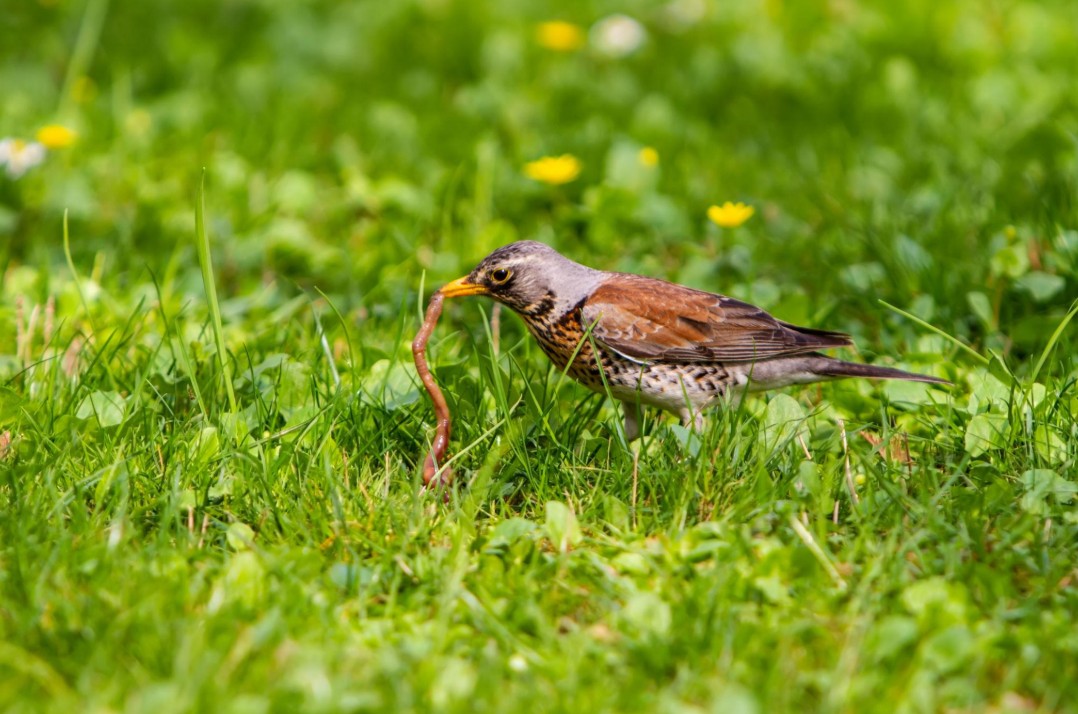
What Do Song Thrushes Eat? A Complete Guide to Their Natural Diet

There’s something truly special about spotting a Song Thrush hopping across a garden lawn or perched quietly in a hedgerow. Known for its beautiful, melodious song, this bird is just as fascinating when it comes to its feeding habits.
But beyond its charming appearance and voice, many bird lovers often ask: what do song thrushes eat?
From cracking open snail shells to foraging for berries in winter, song thrushes have a surprisingly varied and resourceful diet. Over years of birdwatching, I’ve noticed that their feeding behavior changes dramatically depending on the season, habitat, and food availability.
In this guide, we’ll explore everything you need to know about the diet of song thrushes—from their favorite foods to how they hunt and adapt throughout the year.
What Do Song Thrushes Eat? (Quick Overview)
Song thrushes are omnivorous, meaning they eat both animal and plant-based foods.
Their main diet includes:
- Earthworms
- Snails and slugs
- Insects and larvae
- Berries and fruits
- Seeds (occasionally)
Their ability to switch between food sources is key to their survival in different environments.
Invertebrates: The Core of Their Diet
🐛 Earthworms – A Favorite Meal
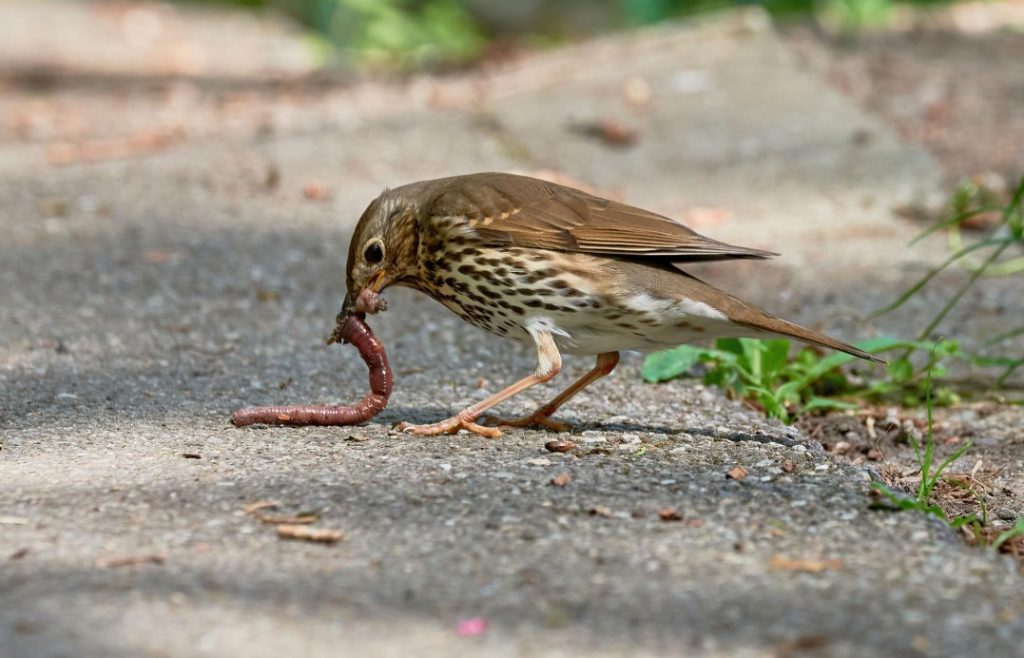
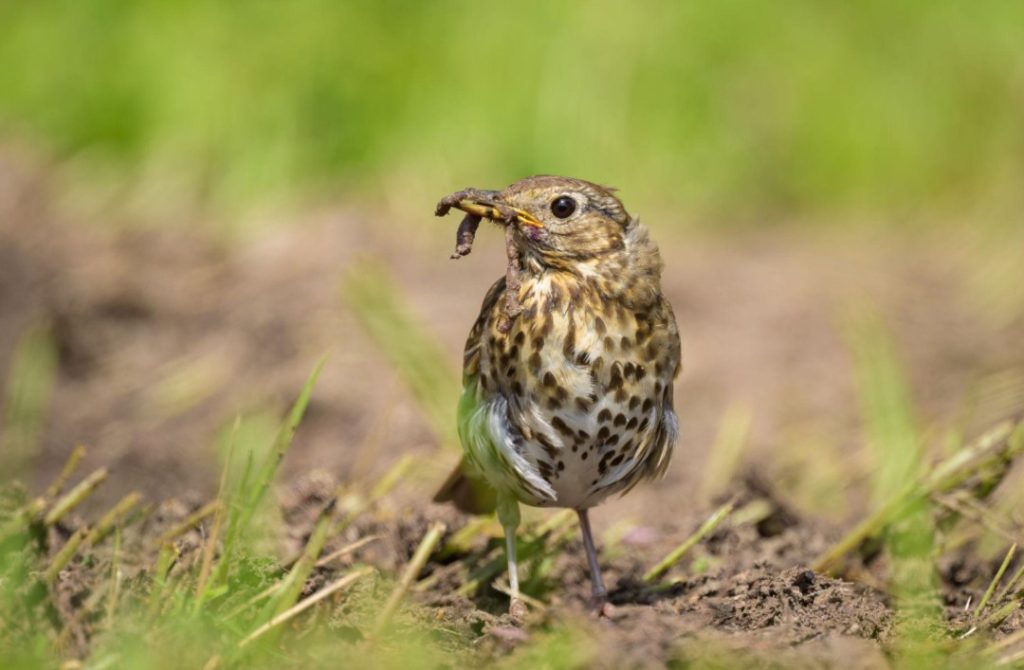
Earthworms are one of the most important food sources for song thrushes, especially during the breeding season.
These birds are often seen:
- Pulling worms from moist soil
- Hunting after rain when worms surface
- Feeding worms to their chicks
Earthworms are rich in protein, making them ideal for growing young birds.
🐌 Snails and Slugs – A Unique Feeding Behavior
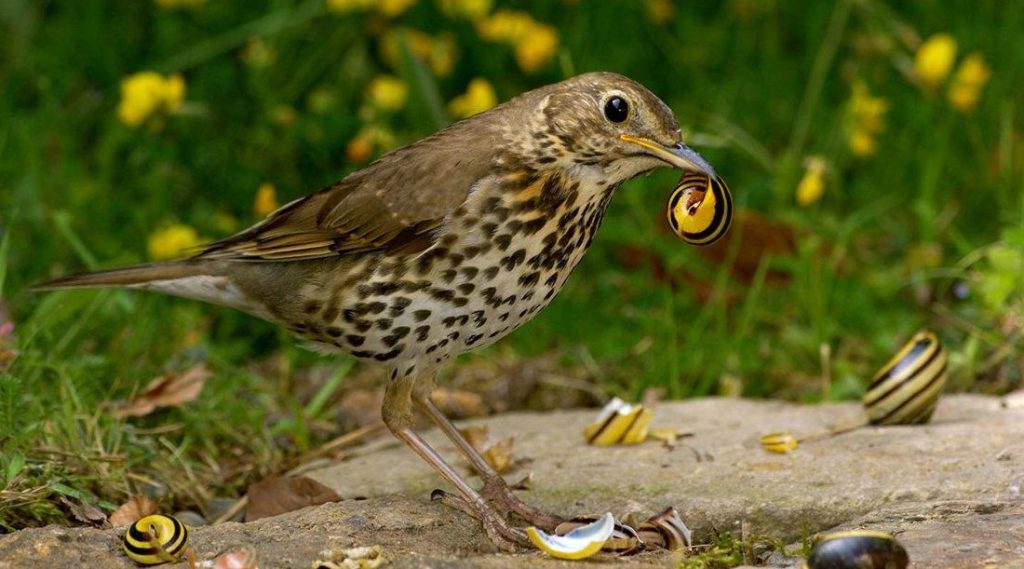
One of the most fascinating things about song thrushes is how they eat snails.
They use a technique involving an “anvil”:
- The bird picks up a snail
- Smashes it repeatedly against a stone
- Breaks the shell to access the soft body inside
You can often find piles of broken shells near these anvils—a clear sign a thrush is nearby.
🐜 Insects and Larvae
Song thrushes also feed heavily on insects such as:
- Beetles
- Caterpillars
- Ants
- Fly larvae
This makes them incredibly beneficial for gardens, as they help control pest populations naturally.
Fruits and Berries: A Seasonal Shift
🍓 Autumn and Winter Diet
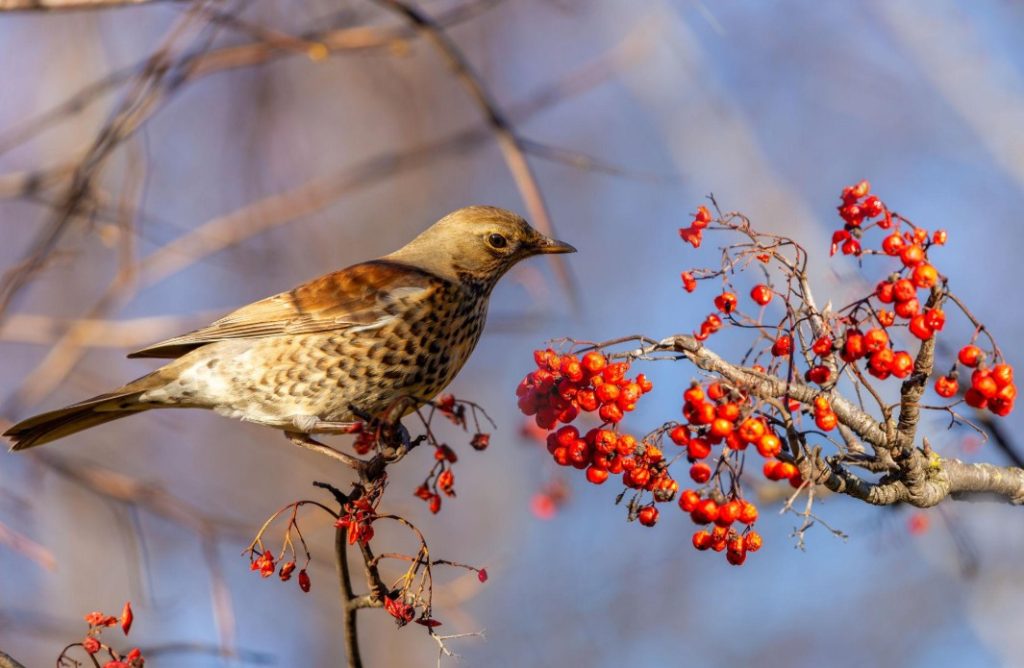
When insects and worms become scarce, song thrushes turn to plant-based foods.
Common fruits and berries include:
- Holly berries
- Ivy berries
- Elderberries
- Blackberries
These foods provide essential energy during colder months when animal prey is harder to find.
Seasonal Diet Changes
🌸 Spring & Summer
- Mostly worms and insects
- High-protein diet for breeding
- Frequent feeding trips for chicks
🍂 Autumn
- Mix of insects and berries
- Preparing for colder months
❄️ Winter
- Mostly fruits and berries
- Occasional insects if available
This seasonal flexibility is one reason song thrushes can survive in a wide range of habitats.
How Song Thrushes Find Food
Song thrushes are highly observant and methodical feeders.
Their feeding techniques include:
- Listening for movement underground (worms)
- Turning leaves to find insects
- Using anvils for snails
- Foraging in shrubs for berries
They often pause, tilt their head, and listen carefully—an impressive hunting skill.
Do Song Thrushes Visit Bird Feeders?
Unlike some garden birds, song thrushes don’t rely heavily on feeders—but they may still visit occasionally.
Foods you can offer:
- Mealworms
- Soft fruits (apples, berries)
- Soaked raisins
They prefer natural foraging but will take advantage of easy food sources, especially in winter.
What Do Baby Song Thrushes Eat?
Baby song thrushes require a protein-rich diet for healthy growth.
Parents typically feed them:
- Earthworms
- Soft-bodied insects
- Small larvae
Unlike adults, chicks do not eat berries early on—they need animal protein to develop properly.
Where Do Song Thrushes Find Food?
Song thrushes thrive in a variety of habitats:
- Gardens
- Woodlands
- Parks
- Hedgerows
They prefer areas with:
- Soft soil (for worms)
- Leaf litter (for insects)
- Berry-producing plants
A healthy, natural environment is key to supporting their diet.
Why Are Song Thrushes Important to Ecosystems?
Song thrushes play a vital ecological role.
They help by:
- Controlling insect populations
- Dispersing seeds through berries
- Maintaining garden health
Their presence is often a sign of a balanced ecosystem.
Threats to Their Food Supply
Unfortunately, song thrush populations have declined in some areas.
Main challenges include:
- Loss of habitat
- Pesticide use reducing insects
- Fewer snails due to chemicals
Protecting their food sources is essential for their survival.
Tips to Attract Song Thrushes to Your Garden
Want to see more song thrushes?
Try this:
- Keep a natural lawn (don’t over-trim)
- Avoid pesticides
- Plant berry-rich shrubs
- Provide water sources
Creating a wildlife-friendly garden can make a huge difference.
FAQs
What is a song thrush’s favorite food?
Earthworms are considered their favorite, especially during breeding season.
Do song thrushes eat snails every day?
Not always, but snails are a major part of their diet when available.
Do song thrushes eat seeds?
Rarely. They prefer worms, insects, and fruits.
Are song thrushes good for gardens?
Yes! They help control pests like insects and slugs.
Do song thrushes eat fruit in summer?
They may eat some fruit, but they mostly focus on insects and worms during summer.
Conclusion
So, what do song thrushes eat?
Their diet is far more diverse than many people realize. From earthworms and insects to snails and seasonal berries, song thrushes are highly adaptable feeders with unique hunting techniques.
Whether cracking snail shells on a stone or foraging quietly in your backyard, these birds play an important role in maintaining ecological balance.
The next time you spot a song thrush, take a closer look—you might just witness one of nature’s most fascinating feeding behaviors in action.