What Do Swifts Eat? Inside the Incredible Aerial Diet of Swift Birds

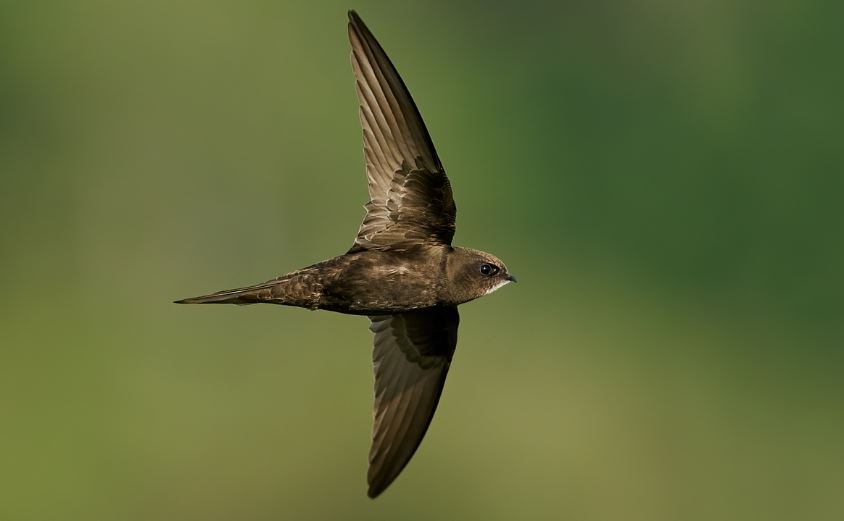
If you’ve ever watched small, dark birds slicing through the sky at incredible speeds, you may have been looking at swifts. These aerial masters rarely land, spending most of their lives in flight—even sleeping and mating in the air. Their ability to remain airborne for such long periods raises an obvious question: what do swifts eat?
Unlike many birds that forage on the ground or in trees, swifts capture nearly all their food while flying. Their diet consists mostly of tiny airborne creatures that they scoop up as they glide through the sky. This remarkable feeding strategy makes swifts some of the most efficient aerial hunters in the bird world.
In this in-depth guide, we’ll explore what swifts eat, how they catch their prey mid-air, how their diet changes throughout the year, and what their feeding habits reveal about the ecosystems they depend on.
What Do Swifts Eat?
Swifts primarily eat flying insects and tiny airborne arthropods that they capture while flying. Their diet is sometimes referred to by scientists as “aerial plankton”, a term describing the microscopic life drifting through the air.
Common foods in a swift’s diet include:
- Flies
- Mosquitoes
- Aphids
- Flying ants
- Beetles
- Moths
- Wasps
- Termites
- Spiders carried by wind
Because swifts feed almost exclusively on airborne prey, they are considered aerial insectivores, meaning their food is caught entirely in the air.
A single swift can consume thousands of insects per day, making them extremely beneficial for controlling insect populations.
The Concept of “Aerial Plankton”
To understand what swifts eat, it helps to understand the idea of aerial plankton.
Just like oceans contain drifting plankton that feed fish and whales, the sky contains tiny floating organisms carried by air currents. These include:
- Small insects
- Larvae
- Spiderlings traveling on silk threads
- Pollen particles
- Tiny flying beetles
Swifts fly through these invisible clouds of airborne life and scoop up food continuously.
Because aerial plankton varies with weather, temperature, and season, swift feeding activity often changes throughout the day.
How Swifts Catch Food While Flying
Swifts have evolved specialized features that allow them to feed efficiently in mid-air.
Wide, Scoop-Like Mouths
Swifts have short bills but very wide mouths. When they open their mouths during flight, they act like nets that collect insects from the air.
This adaptation allows them to catch many insects at once without needing precise strikes like birds of prey.
Long, Narrow Wings
Their long wings provide incredible maneuverability, allowing them to:
- Twist and turn rapidly
- Chase insect swarms
- Glide efficiently while feeding
These wings also reduce energy use, allowing swifts to remain airborne for hours while hunting.
Continuous Feeding Flights
Instead of stopping to eat, swifts feed constantly during flight, grabbing insects every few seconds as they move through the air.
This strategy allows them to fuel their extremely active lifestyle.
How Many Insects Do Swifts Eat Per Day?
Swifts are among the most efficient insect hunters in the bird world.
Research suggests that one swift may eat 10,000 to 20,000 insects per day during peak feeding periods.
During breeding season, this number can increase dramatically because adults must feed hungry chicks in the nest.
To deliver food to their young, swifts gather insects into a sticky ball of saliva, sometimes containing hundreds or even thousands of insects at once.
What Do Baby Swifts Eat?
Baby swifts eat the same types of insects as adult birds.
However, instead of being fed individual insects, they receive compact balls of insects collected by their parents.
These insect balls often contain:
- Aphids
- Mosquitoes
- Tiny flies
- Small beetles
- Spiderlings
Each feeding can provide enough energy to sustain chicks for hours.
This feeding method is highly efficient, especially because swift parents may travel many miles from the nest to find insect swarms.
Do Swifts Ever Eat Seeds or Plants?
No, swifts do not eat seeds, fruits, or plant material.
Their digestive systems are specialized for processing protein-rich insects.
Unlike many backyard birds that switch to seeds during winter, swifts rely entirely on flying insects. This dependence is one reason they migrate long distances to warmer regions where insects remain abundant.
Do Swifts Drink Water?
Yes—but they drink in a very unusual way.
Swifts collect water by skimming across lakes, rivers, or ponds while flying, briefly touching the surface with their beaks.
This quick maneuver allows them to stay airborne while hydrating.
It’s just one more example of how perfectly adapted swifts are to life in the sky.
When Do Swifts Hunt for Food?
Swifts are most active during daylight hours, particularly when insect activity is high.
Peak feeding times usually include:
- Early morning
- Late afternoon
- Warm, calm evenings
Weather also plays an important role. Insects tend to fly more during warm, stable conditions, so swifts often feed most actively on sunny days.
How Weather Affects Swift Diet
Because swifts depend on airborne insects, weather has a major impact on their feeding success.
Warm Weather
Warm temperatures increase insect activity, creating ideal feeding conditions for swifts.
Large insect swarms allow swifts to gather food quickly and efficiently.
Rainy or Cold Weather
Cold or rainy weather can reduce insect activity.
When insects fly lower or disappear entirely, swifts may need to travel longer distances to find food.
In extreme cases, swifts can enter a temporary state similar to torpor, slowing their metabolism until food becomes available again.
Seasonal Changes in Swift Diet
The types of insects available to swifts change throughout the year.
Spring
During spring, swifts often feed on:
- Flying ants
- Aphids
- Small flies
These insects emerge in large numbers during warmer spring temperatures.
Summer
Summer provides the greatest insect diversity.
Swifts may consume:
- Beetles
- Wasps
- Moths
- Mosquitoes
- Midges
This abundance supports breeding and chick-rearing.
Migration Periods
During migration, swifts feed opportunistically on whatever insects are available along their flight paths.
Their ability to hunt efficiently in the air allows them to refuel while traveling thousands of miles.
Where Swifts Find Their Food
Swifts usually hunt in open skies above landscapes where insects are abundant.
Common feeding areas include:
- Rivers and lakes
- Wetlands
- Grasslands
- Agricultural fields
- Forest edges
- Cities with strong insect populations
Urban environments can actually support many swifts because lights attract insects at night.
Are Swifts Helpful for Controlling Insects?
Absolutely.
Because swifts consume enormous numbers of flying insects, they help control populations of:
- Mosquitoes
- Agricultural pests
- Flying ants
- Midges
This makes them valuable allies in maintaining ecological balance.
In some regions, swifts are considered natural pest control agents, helping reduce nuisance insects without chemicals.
Threats to Swift Food Sources
Despite their incredible adaptations, swifts face growing challenges.
One major issue is the global decline in insect populations.
Factors contributing to this decline include:
- Pesticide use
- Habitat destruction
- Climate change
- Urban development
Because swifts rely entirely on insects, reductions in aerial plankton can affect their survival and breeding success.
How People Can Help Swifts
Supporting healthy insect populations is one of the best ways to help swifts thrive.
Here are a few simple actions that make a difference.
Reduce Pesticide Use
Chemical pesticides kill insects that swifts depend on for food.
Using natural pest control methods helps protect aerial insect populations.
Preserve Natural Habitats
Wetlands, forests, and grasslands support large insect communities.
Protecting these habitats helps ensure swifts have reliable feeding areas.
Install Swift Nest Boxes
Some species of swifts nest in buildings or specialized nest boxes.
Providing nesting spaces can help maintain local populations.
Protect Urban Nesting Sites
Many swifts nest in roof spaces or old structures.
Preserving these nesting areas supports breeding colonies.
Fascinating Facts About Swift Feeding Behavior
Swifts are among the most unique feeders in the bird world.
Here are a few incredible facts:
- Some swifts can stay airborne for up to 10 months without landing.
- They can travel hundreds of miles per day while feeding.
- A single feeding trip for chicks may contain over 1,000 insects.
- Swifts often hunt in large groups, following insect swarms across the sky.
Their entire lifestyle revolves around the availability of aerial insects.
Final Thoughts
So, what do swifts eat?
These remarkable birds survive almost entirely on tiny flying insects drifting through the sky. From mosquitoes and aphids to beetles and spiderlings, swifts gather their meals while gliding through invisible clouds of aerial plankton.
Their ability to eat, drink, and even sleep while flying makes them one of the most extraordinary birds on Earth.
But their survival depends heavily on healthy insect populations and thriving ecosystems. Protecting these environments ensures that swifts will continue filling our skies with their incredible speed and graceful flight.
Next time you see swifts darting overhead, remember—you’re watching some of the most skilled aerial hunters in the natural world.